Carol S Lilly - Böcker
Visar alla böcker från författaren Carol S Lilly. Handla med fri frakt och snabb leverans.
6 produkter
6 produkter
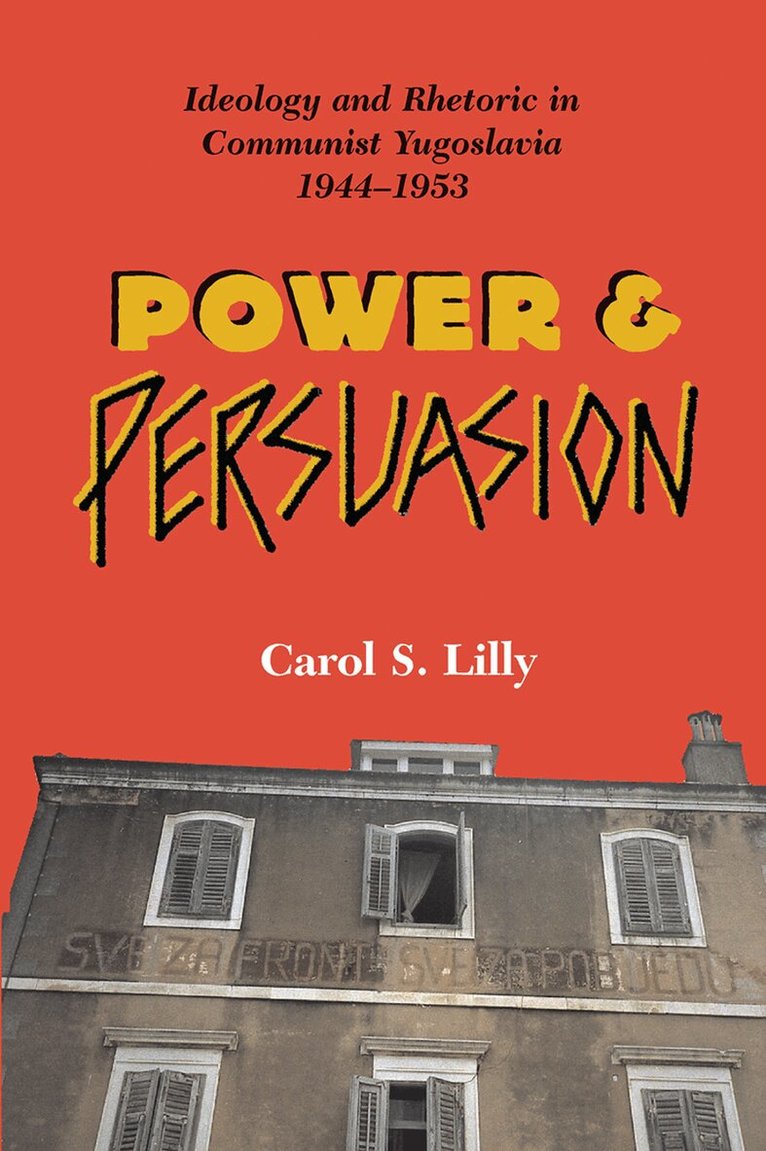
Power And Persuasion
Ideology And Rhetoric In Communist Yugoslavia, 1944-1953
Inbunden, Engelska, 2019
2 159 kr
Skickas inom 10-15 vardagar
When the Communist Party of Yugoslavia (CPY) took power after the Second World War, it had a vision for a new and better society in which all humans would live together in peace and prosperity and in which their mutual exploitation would be eliminated. That vision required changes not only in the country's political and economic structure, but in its citizen's values, morals, goals, aesthetics, and social behavior. Based on extensive archival research, Lilly's study describes the CPY's struggle to realize that social and cultural transformation by means of oral, written, and visual persuasion in the first nine years after the war.Lilly's descriptions of party policies in such media as newspapers, journals, educational curricula, group activities like parades, workplace competitions, and volunteer labor brigades, and the production of both high and popular culture depict the evolving form and content of the party's persuasive rhetoric. Her archival work, moreover, reveals both societal reaction to such rhetoric and the extent to which party leaders adapted their persuasive policies in response to feedback from below. In this respect, Lilly places her work at the intersection of cultural history, cultural studies and politics by discussing how individuals and different groups perceive, digest, and remake culture from above in their own image.Ultimately, then, this study not only modifies current understandings of Yugoslavia's postwar history but informs us about the nature of state-society relations in dictatorial regimes and the complexities of cultural change. Moving beyond an interpretation of Yugoslavia's political and cultural history in the 1940s, it addresses broader questions like: How do dictatorial regimes maintain power and support? How do subject populations express their views and exert influence even under oppressive conditions? When and how does persuasive rhetoric work and what are its limits?
521 kr
Skickas inom 10-15 vardagar
When the Communist Party of Yugoslavia (CPY) took power after the Second World War, it had a vision for a new and better society in which all humans would live together in peace and prosperity and in which their mutual exploitation would be eliminated. That vision required changes not only in the country's political and economic structure, but in its citizen's values, morals, goals, aesthetics, and social behavior. Based on extensive archival research, Lilly's study describes the CPY's struggle to realize that social and cultural transformation by means of oral, written, and visual persuasion in the first nine years after the war.Lilly's descriptions of party policies in such media as newspapers, journals, educational curricula, group activities like parades, workplace competitions, and volunteer labor brigades, and the production of both high and popular culture depict the evolving form and content of the party's persuasive rhetoric. Her archival work, moreover, reveals both societal reaction to such rhetoric and the extent to which party leaders adapted their persuasive policies in response to feedback from below. In this respect, Lilly places her work at the intersection of cultural history, cultural studies and politics by discussing how individuals and different groups perceive, digest, and remake culture from above in their own image.Ultimately, then, this study not only modifies current understandings of Yugoslavia's postwar history but informs us about the nature of state-society relations in dictatorial regimes and the complexities of cultural change. Moving beyond an interpretation of Yugoslavia's political and cultural history in the 1940s, it addresses broader questions like: How do dictatorial regimes maintain power and support? How do subject populations express their views and exert influence even under oppressive conditions? When and how does persuasive rhetoric work and what are its limits?
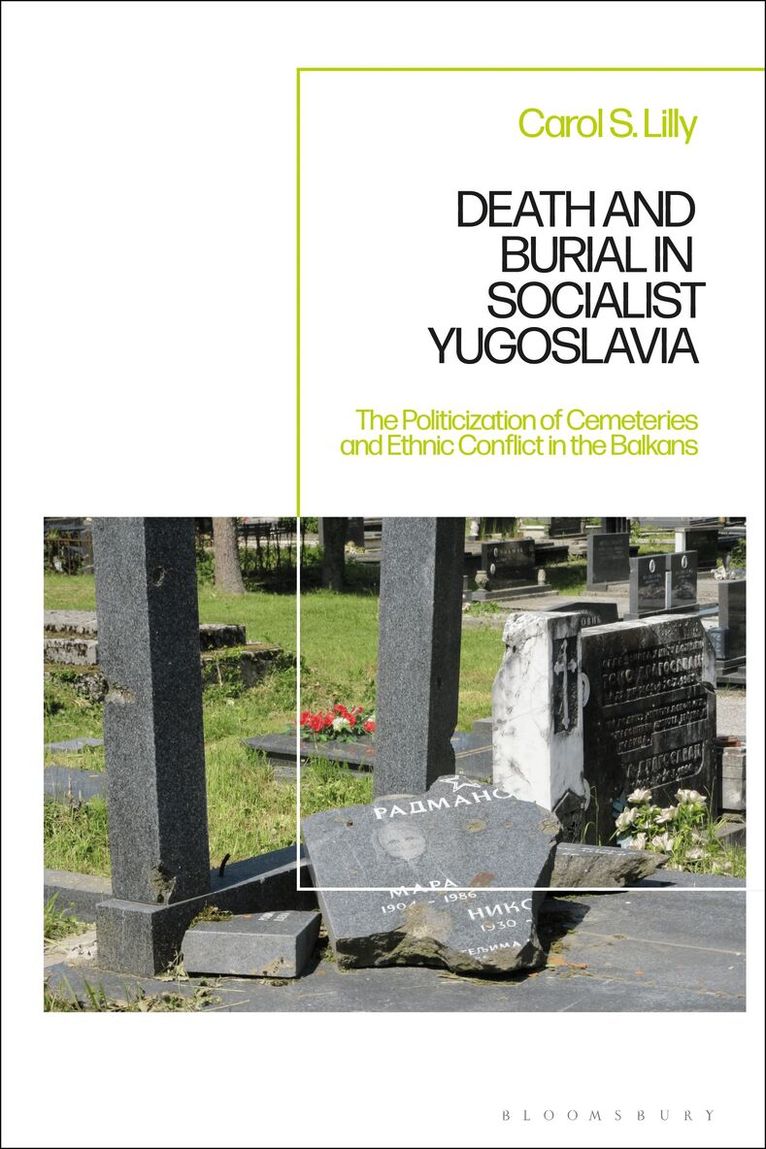
Death and Burial in Socialist Yugoslavia
The Politicization of Cemeteries and Ethnic Conflict in the Balkans
Inbunden, Engelska, 2024
1 245 kr
Skickas inom 10-15 vardagar
Across the globe, memorial and grave sites are being increasingly weaponized in conflicts and politicized by parties to advance agendas. Here, Carol S. Lilly examines ideas of death, politics, memory, ideology and nationalism in the former Yugoslav republics of Bosnia & Hercegovina, Croatia, and Serbia to shine fresh light on cemetery culture in 20th-century Europe.More specifically, Death and Burial in Socialist Yugoslavia argues that while the CPY created its own communities of the dead in postwar Partisan Cemeteries, it failed to do the same for civilian cemeteries in ways that might reinforce its ideals of secularism, pluralism, and brotherhood and unity. Moreover, the communist regime left the previous system of ethno-religious segregation in place, further isolating Catholics, Orthodox, Muslims and Jews who continued to be buried in separate locations. Finally, it explicitly politicized burial rites and grave markers, making cemeteries into legitimate spaces of political discourse.As a result, by the time Yugoslavia disintegrated in the early 1990s, dead bodies and cemeteries had become a concerted weapon of war in the ongoing ethnic conflict. Ultimately, then, this timely study reveals for the first time the extent to which the communist regime not only failed to created their own communities of the dead but also further divided and alienated living communities in Yugoslavia.
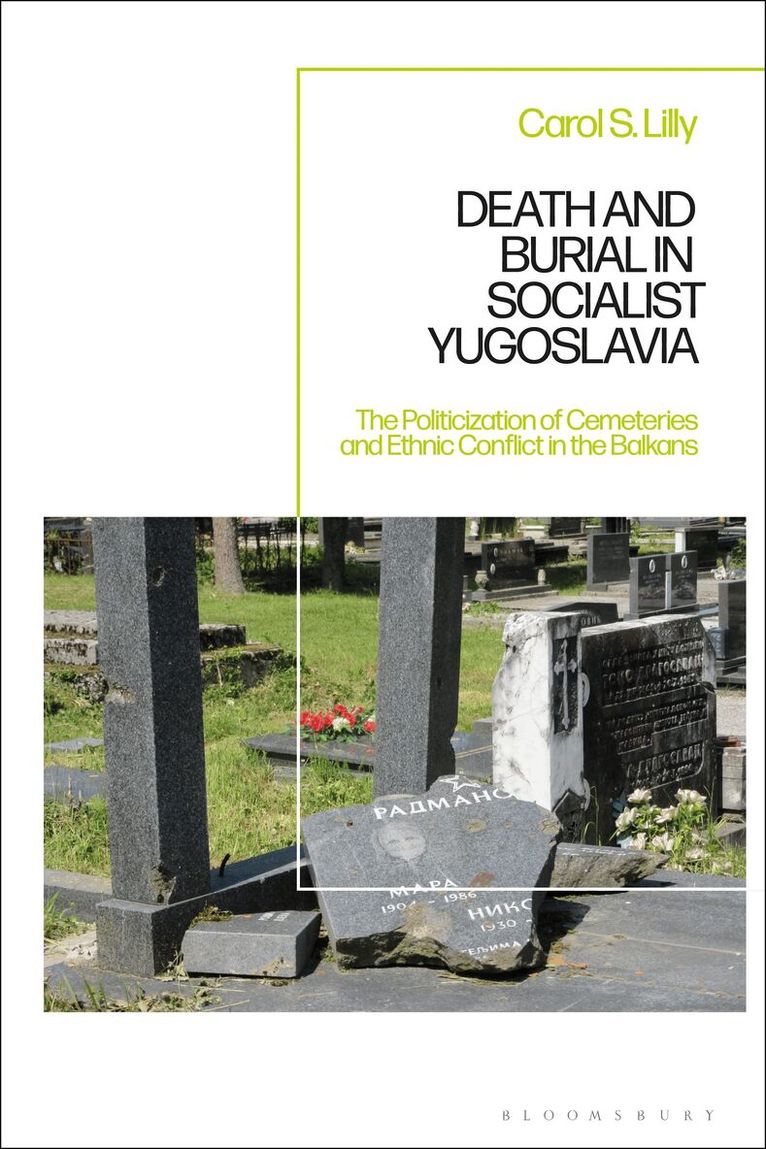
Death and Burial in Socialist Yugoslavia
The Politicization of Cemeteries and Ethnic Conflict in the Balkans
Häftad, Engelska, 2025
406 kr
Skickas inom 10-15 vardagar
Across the globe, memorial and grave sites are being increasingly weaponized in conflicts and politicized by parties to advance agendas. Here, Carol S. Lilly examines ideas of death, politics, memory, ideology and nationalism in the former Yugoslav republics of Bosnia & Hercegovina, Croatia, and Serbia to shine fresh light on cemetery culture in 20th-century Europe.More specifically, Death and Burial in Socialist Yugoslavia argues that while the CPY created its own communities of the dead in postwar Partisan Cemeteries, it failed to do the same for civilian cemeteries in ways that might reinforce its ideals of secularism, pluralism, and brotherhood and unity. Moreover, the communist regime left the previous system of ethno-religious segregation in place, further isolating Catholics, Orthodox, Muslims and Jews who continued to be buried in separate locations. Finally, it explicitly politicized burial rites and grave markers, making cemeteries into legitimate spaces of political discourse.As a result, by the time Yugoslavia disintegrated in the early 1990s, dead bodies and cemeteries had become a concerted weapon of war in the ongoing ethnic conflict. Ultimately, then, this timely study reveals for the first time the extent to which the communist regime not only failed to created their own communities of the dead but also further divided and alienated living communities in Yugoslavia.
2 411 kr
Skickas inom 10-15 vardagar
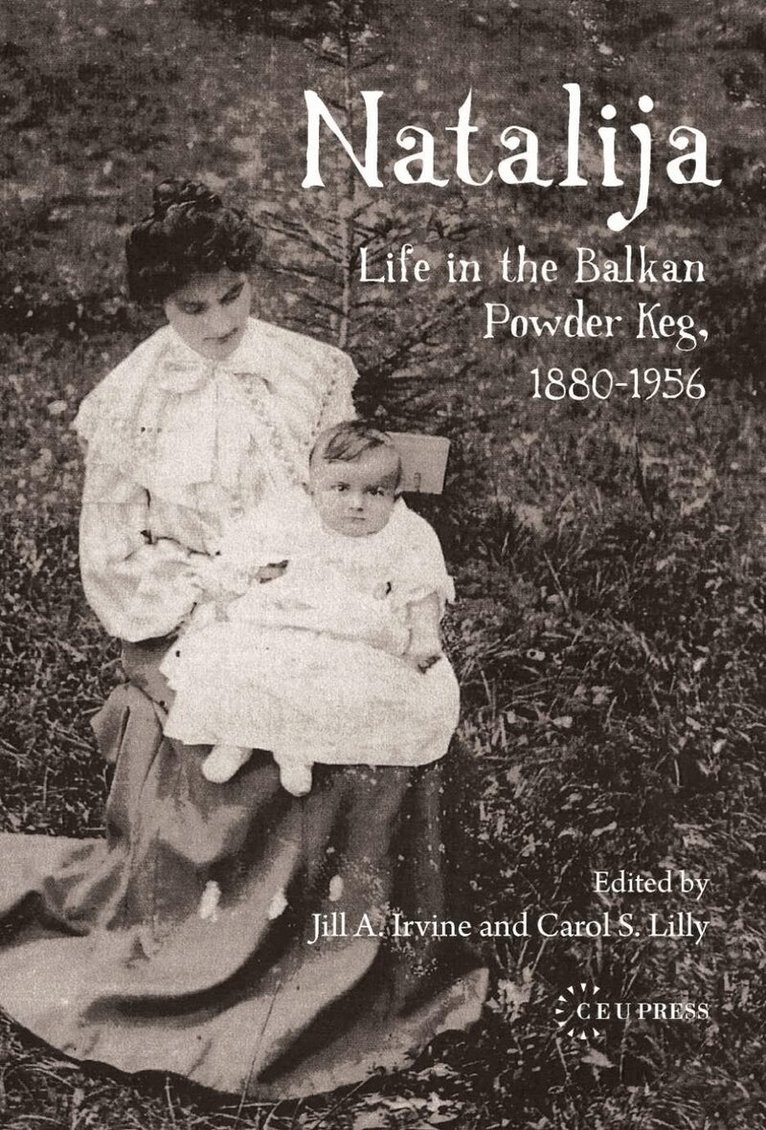
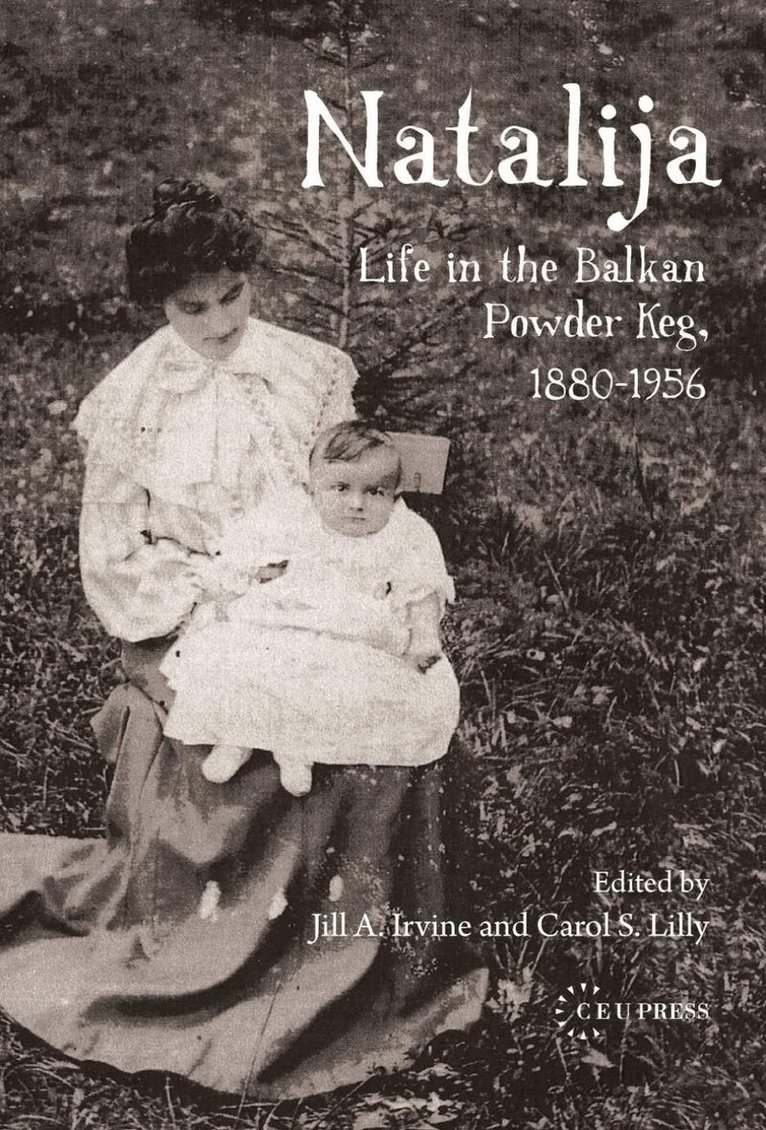
The life story of a Serbian woman over a period of more than 70 years, preserved in memoirs, letters and mostly diaries, recounts the triumphs and tragedies of a life that takes place against the backdrop of extraordinary turbulence in the Balkans. It covers more than half a century, five wars (including the two world wars), and four ideologies. This is a time of excitement in Serbia as its leaders carve an independent state out of the Ottoman Empire and attempt to modernize a largely rural and “backward” corner of Europe. A time of opportunity for many who join in the effort to build the infrastructure of a modern economy, as well as the growing number of middle class families who send their children, in rare cases even girls, to the emerging system of state schools. Above all, a time of war, as the expanding Serbian state comes into conflict with its neighbors and, ultimately, the Great Powers of Europe. Accompanied by an introductory study, Natalija’s diary provides a rich background to understanding the on-going conflict in the Balkans today.
1 194 kr
Skickas inom 10-15 vardagar
The life story of a Serbian woman over a period of more than 70 years, preserved in memoirs, letters and mostly diaries, recounts the triumphs and tragedies of a life that takes place against the backdrop of extraordinary turbulence in the Balkans. It covers more than half a century, five wars (including the two world wars), and four ideologies. This is a time of excitement in Serbia as its leaders carve an independent state out of the Ottoman Empire and attempt to modernize a largely rural and “backward” corner of Europe. A time of opportunity for many who join in the effort to build the infrastructure of a modern economy, as well as the growing number of middle class families who send their children, in rare cases even girls, to the emerging system of state schools. Above all, a time of war, as the expanding Serbian state comes into conflict with its neighbors and, ultimately, the Great Powers of Europe. Accompanied by an introductory study, Natalija’s diary provides a rich background to understanding the on-going conflict in the Balkans today.