Carolijn Terwindt – författare
Visar alla böcker från författaren Carolijn Terwindt. Handla med fri frakt och snabb leverans.
4 produkter
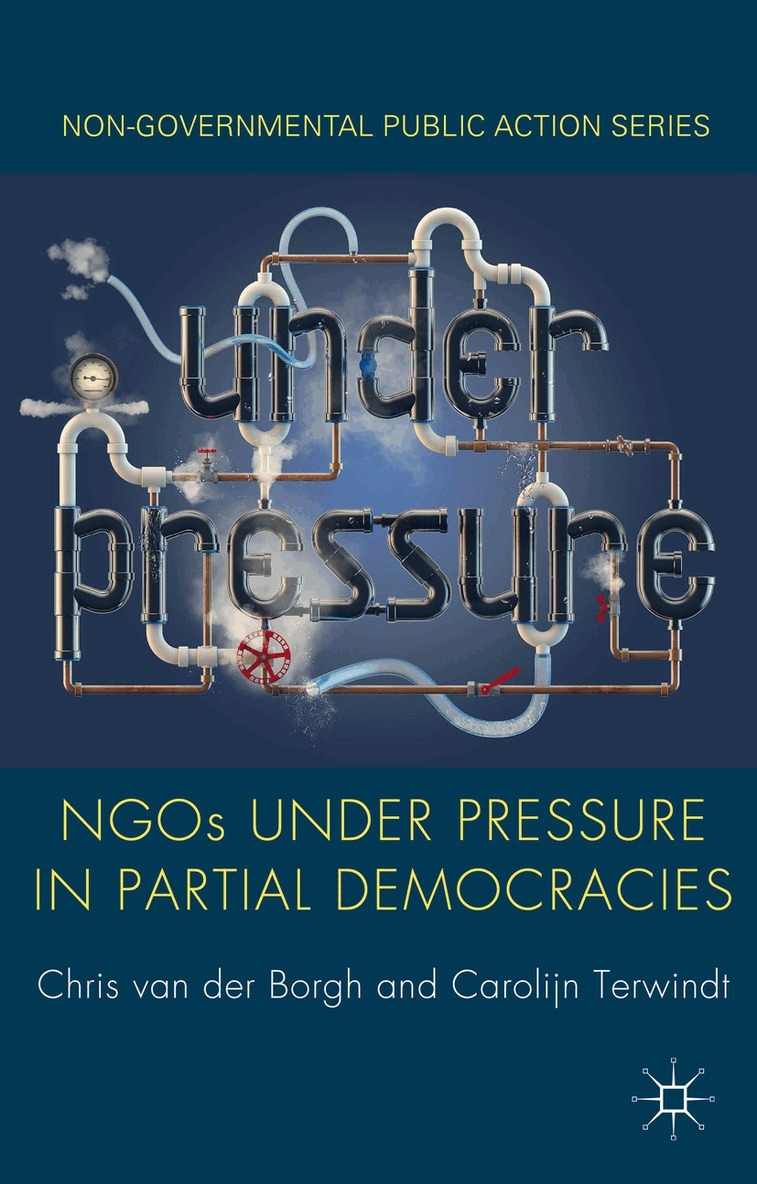
NGOs under Pressure in Partial Democracies
Av Kenneth A. Loparo, Chris van der Borgh m. fl.
Inbunden, 2014
1093 kr
Lägg i varukorg
Over the past decade, international human rights organizations and think tanks have expressed a growing concern that the space of civil society organizations around the world is under pressure. This book examines the pressures experienced by NGOs in four partial democracies: Guatemala, Honduras, …
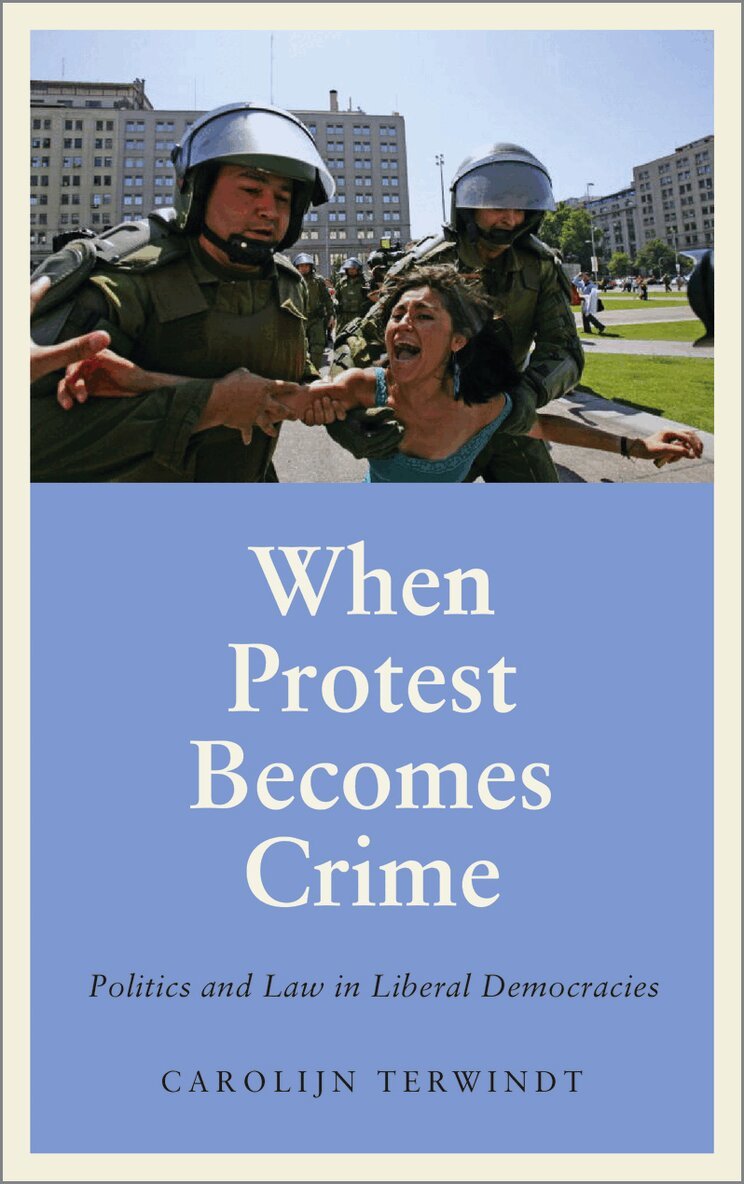
When Protest Becomes Crime
Politics and Law in Liberal Democracies
Häftad, 2019
355 kr
Lägg i varukorg
How does protest become criminalised? Applying an anthropological perspective to political and legal conflicts, Carolijn Terwindt urges us to critically question the underlying interests and logic of prosecuting protesters.The book draws upon ethnographic research in Chile, Spain, and the United …
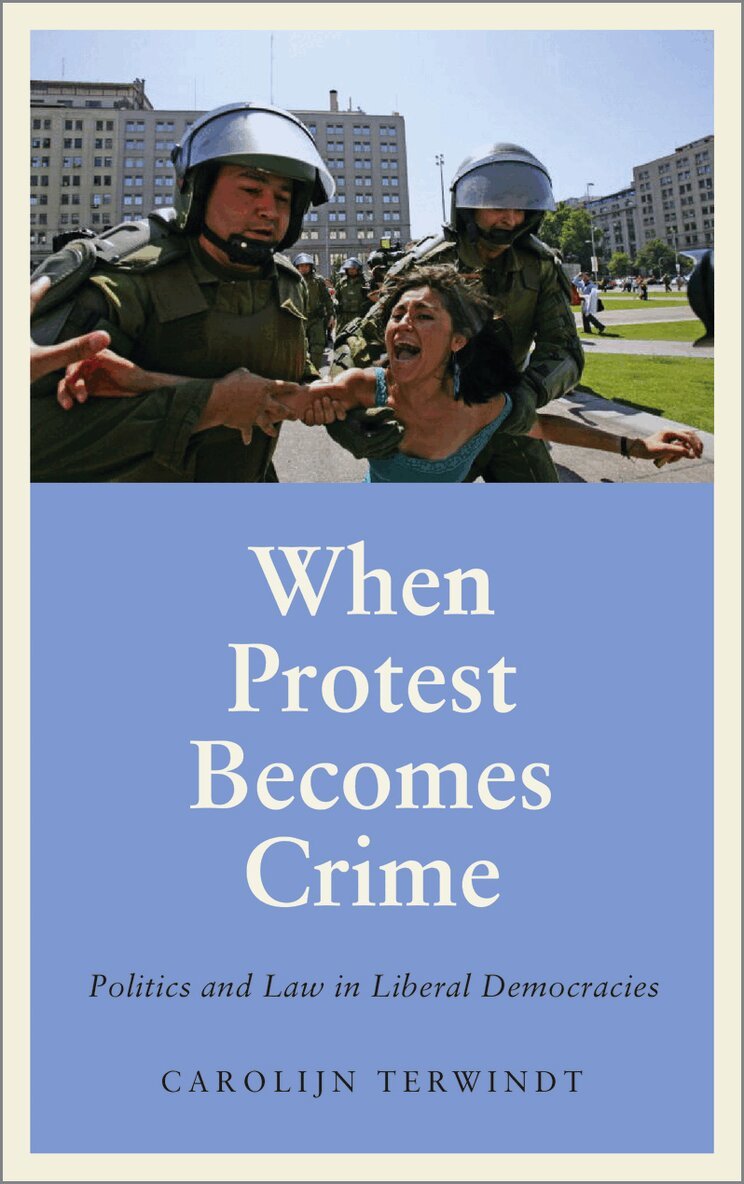
When Protest Becomes Crime
Politics and Law in Liberal Democracies
Inbunden, 2019
938 kr
Lägg i varukorg
How does protest become criminalised? Applying an anthropological perspective to political and legal conflicts, Carolijn Terwindt urges us to critically question the underlying interests and logic of prosecuting protesters.The book draws upon ethnographic research in Chile, Spain, and the United …
When Protest Becomes Crime
Politics and Law in Liberal Democracies
E-bok, 2019
51 kr
Lägg i varukorg
How does protest become criminalised? Applying an anthropological perspective to political and legal conflicts, Carolijn Terwindt urges us to critically question the underlying interests and logic of prosecuting protesters. The book draws upon ethnographic research in Chile, Spain, and the United …