Carolina Vendil Pallin – författare
Visar alla böcker från författaren Carolina Vendil Pallin. Handla med fri frakt och snabb leverans.
10 produkter
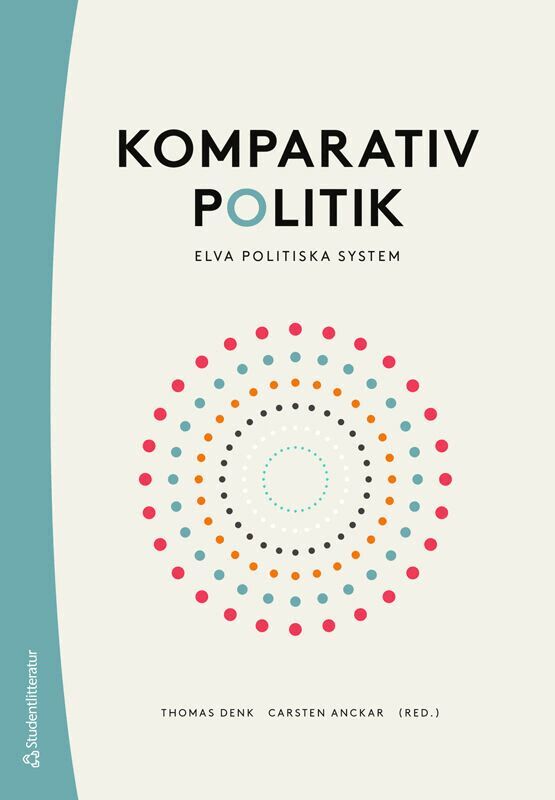
Komparativ politik : elva politiska system
Av Thomas Denk, Carsten Anckar m. fl.
Häftad, 2025
521 kr
Lägg i varukorg
Hur fungerar politiska system? Hur är de utformade och hur skiljer de sig åt länder emellan? I denna bok beskrivs hur politiska system är uppbyggda i elva länder: Storbritannien, Frankrike, Tyskland, USA, Brasilien, Indien, Kenya, Ryssland, Kina, Iran och Sydafrika. Varje land presenteras med sin …
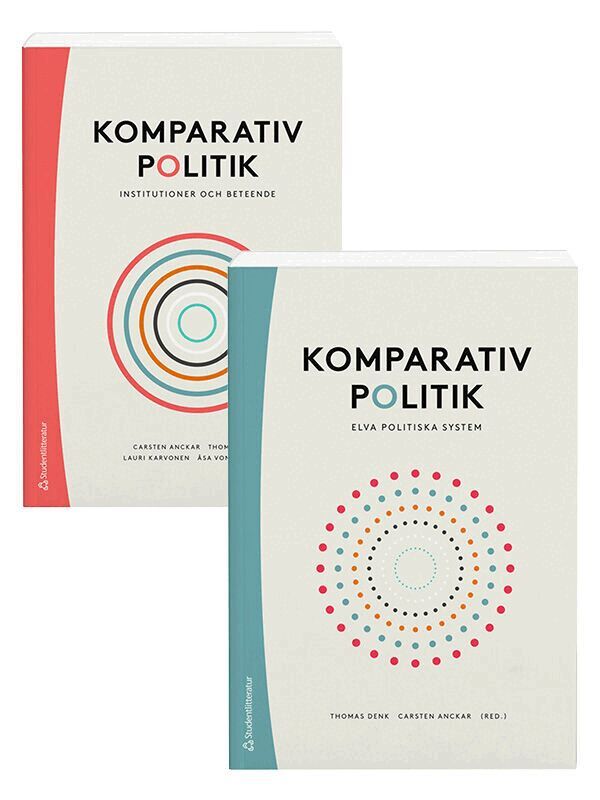
Komparativ politik - paket
Av Carsten Anckar, Thomas Denk m. fl.
2025
1087 kr
Lägg i varukorg
Hur fungerar politiska system? Hur är de uppbyggda och hur skiljer de sig åt länder emellan? Det är några av de frågor som behandlas i Komparativ politik - Institutioner och beteende. Utöver en presentation av grundläggande begrepp och metoder jämförs centrala institutioner, som till exempel …
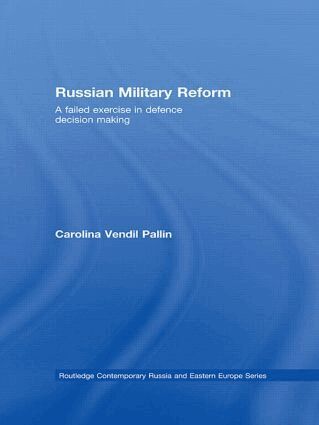
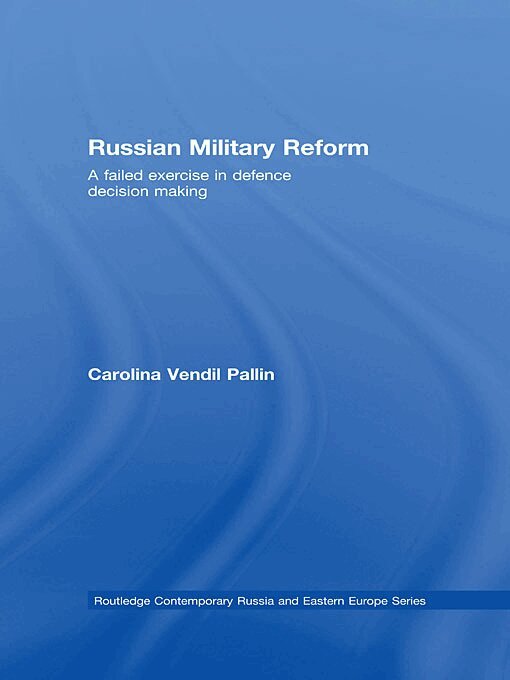
Russian Military Reform
A Failed Exercise in Defence Decision Making
Inbunden, 2008
2512 kr
Lägg i varukorg
This book examines reform of the Russian military since the end of the Cold War. It explores the legacy of the Soviet era, explaining why - at the time of the fall of the Soviet Union - radical reform was long overdue in the wake of changing military technology, new economic and political …
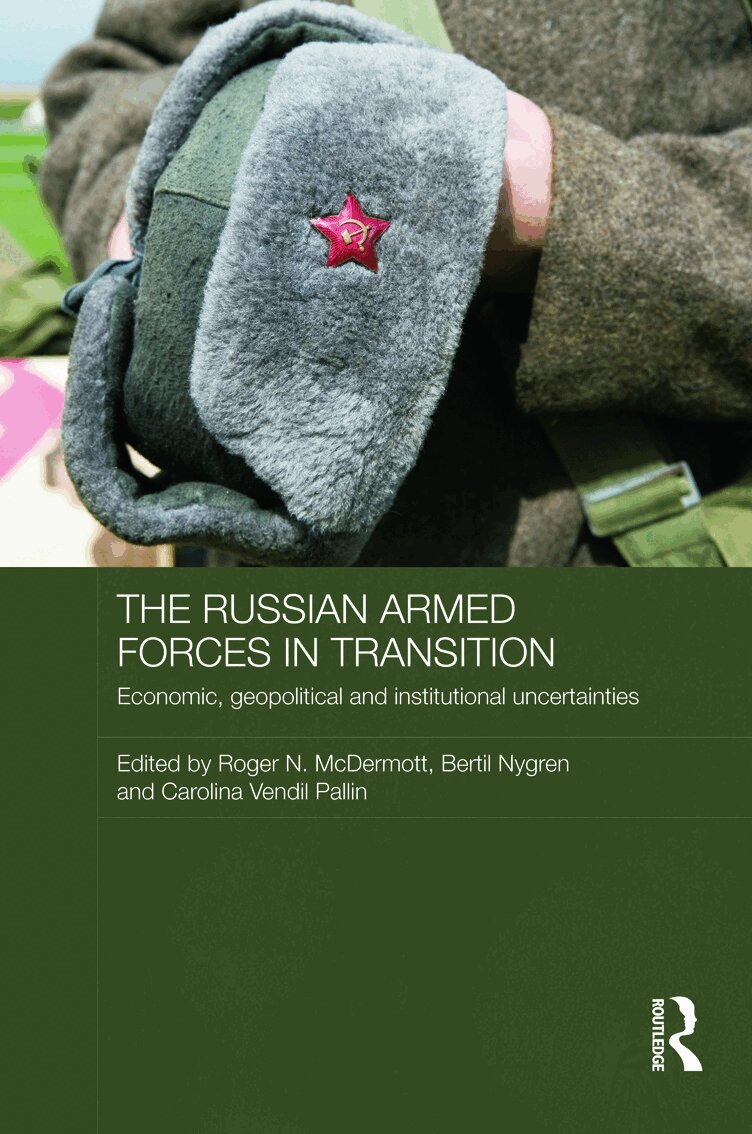
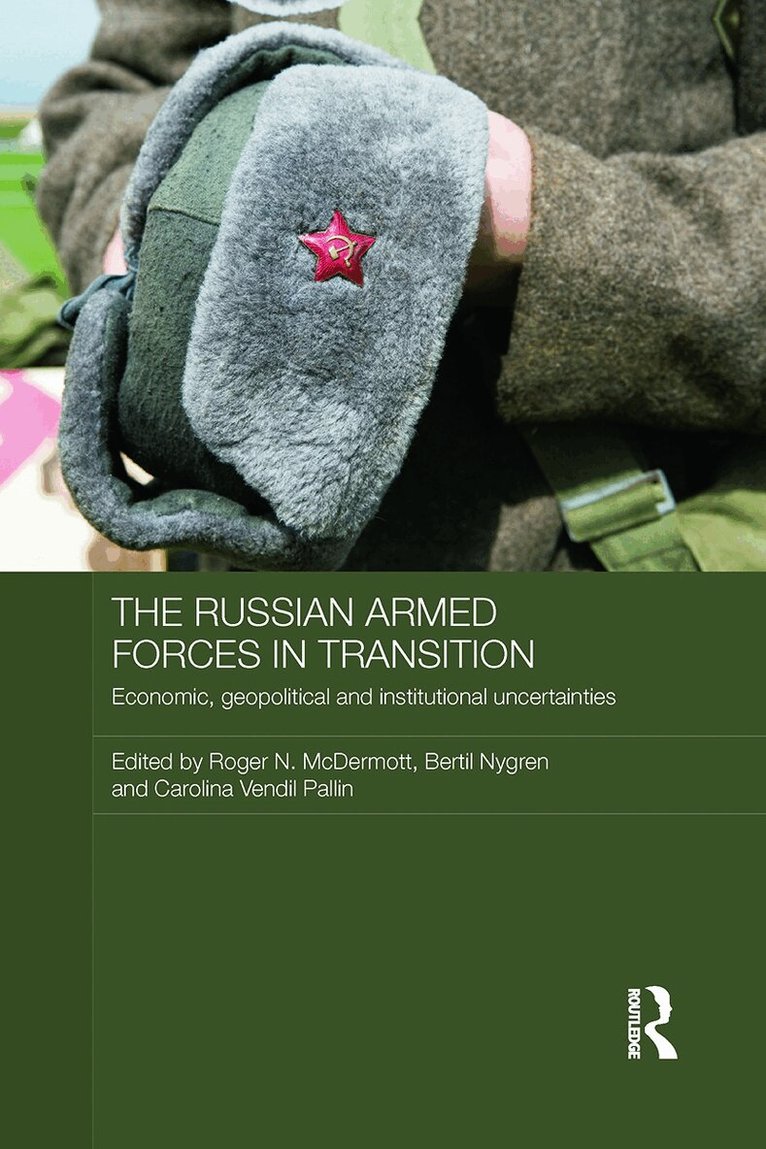
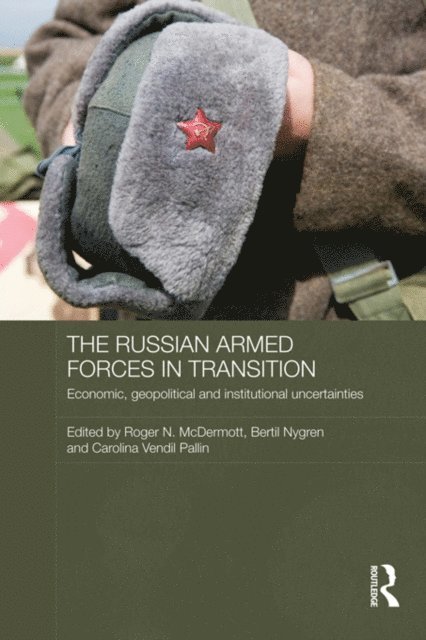
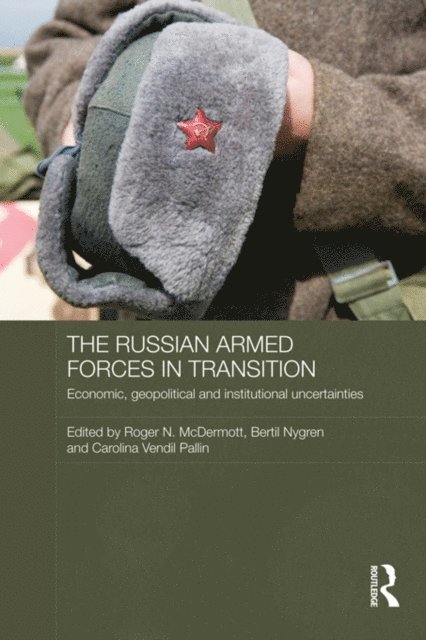
Russian Armed Forces in Transition
Economic, geopolitical and institutional uncertainties
Av Roger N. McDermott, Bertil Nygren m. fl.
Inbunden, 2011
2512 kr
Lägg i varukorg
Although the role of the military in Russia has changed significantly since Soviet times, it continues to exert great influence on Russian politics, economy and society. This book presents a comprehensive overview of current developments related to Russia’s military sector. It considers recent …
Russian Military Reform
A Failed Exercise in Defence Decision Making
Häftad, 2011
750 kr
Lägg i varukorg
This book examines reform of the Russian military since the end of the Cold War. It explores the legacy of the Soviet era, explaining why - at the time of the fall of the Soviet Union - radical reform was long overdue in the wake of changing military technology, new economic and political …
Russian Armed Forces in Transition
Economic, geopolitical and institutional uncertainties
Av Roger N. McDermott, Bertil Nygren m. fl.
Häftad, 2013
910 kr
Lägg i varukorg
Although the role of the military in Russia has changed significantly since Soviet times, it continues to exert great influence on Russian politics, economy and society. This book presents a comprehensive overview of current developments related to Russia’s military sector. It considers recent …
Russian Military Reform
A Failed Exercise in Defence Decision Making
E-bok, 2008
910 kr
Lägg i varukorg
This book examines reform of the Russian military since the end of the Cold War. It explores the legacy of the Soviet era, explaining why - at the time of the fall of the Soviet Union - radical reform was long overdue in the wake of changing military technology, new economic and political …
Russian Military Reform
A Failed Exercise in Defence Decision Making
E-bok, 2008
890 kr
Lägg i varukorg
This book examines reform of the Russian military since the end of the Cold War. It explores the legacy of the Soviet era, explaining why - at the time of the fall of the Soviet Union - radical reform was long overdue in the wake of changing military technology, new economic and political …
Russian Armed Forces in Transition
Economic, geopolitical and institutional uncertainties
Av Carolina Vendil Pallin, Bertil Nygren m. fl.
E-bok, 2012
1051 kr
Lägg i varukorg
Although the role of the military in Russia has changed significantly since Soviet times, it continues to exert great influence on Russian politics, economy and society. This book presents a comprehensive overview of current developments related to Russia’s military sector. It considers recent …
Russian Armed Forces in Transition
Economic, geopolitical and institutional uncertainties
Av Carolina Vendil Pallin, Bertil Nygren m. fl.
E-bok, 2012
1040 kr
Lägg i varukorg
Although the role of the military in Russia has changed significantly since Soviet times, it continues to exert great influence on Russian politics, economy and society. This book presents a comprehensive overview of current developments related to Russia’s military sector. It considers recent …