362 kr
Skickas inom 3-6 vardagar
362 kr
Skickas inom 3-6 vardagar
449 kr
Skickas inom 5-8 vardagar
319 kr
Skickas inom 5-8 vardagar
338 kr
Skickas inom 5-8 vardagar
306 kr
Skickas inom 5-8 vardagar
314 kr
Skickas inom 5-8 vardagar
290 kr
Skickas inom 5-8 vardagar
288 kr
Skickas inom 5-8 vardagar
241 kr
Skickas inom 5-8 vardagar
200 kr
Skickas inom 5-8 vardagar
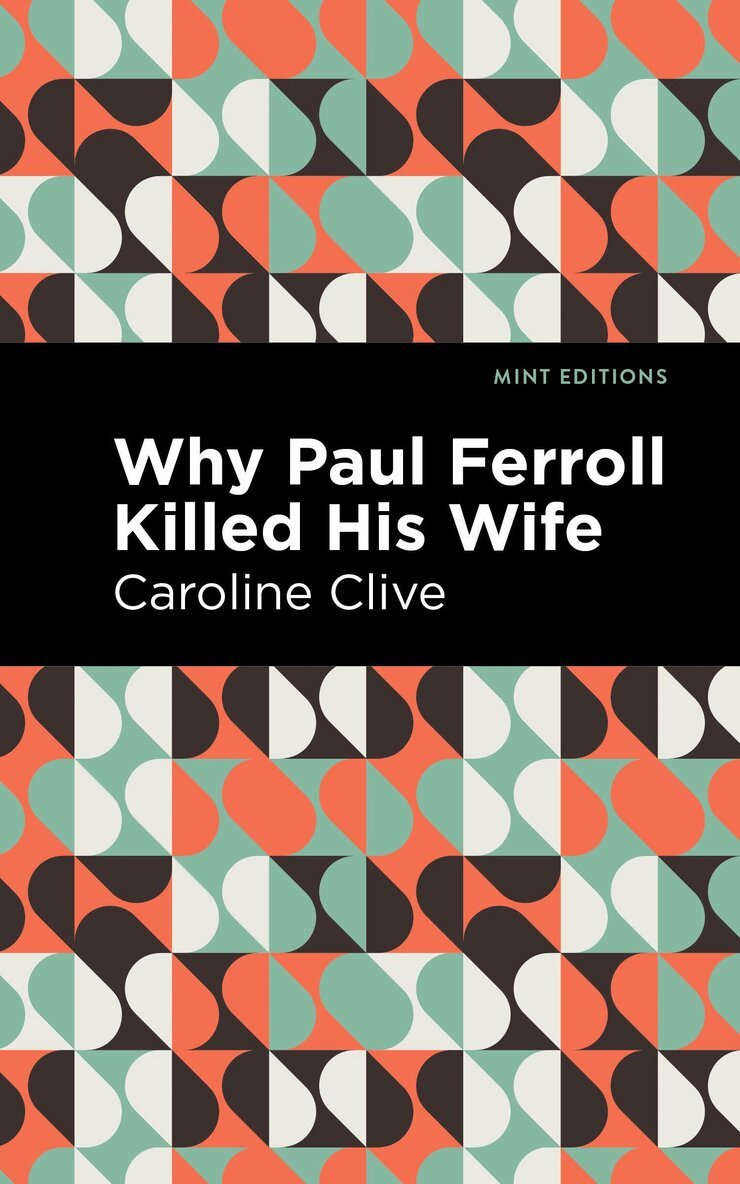
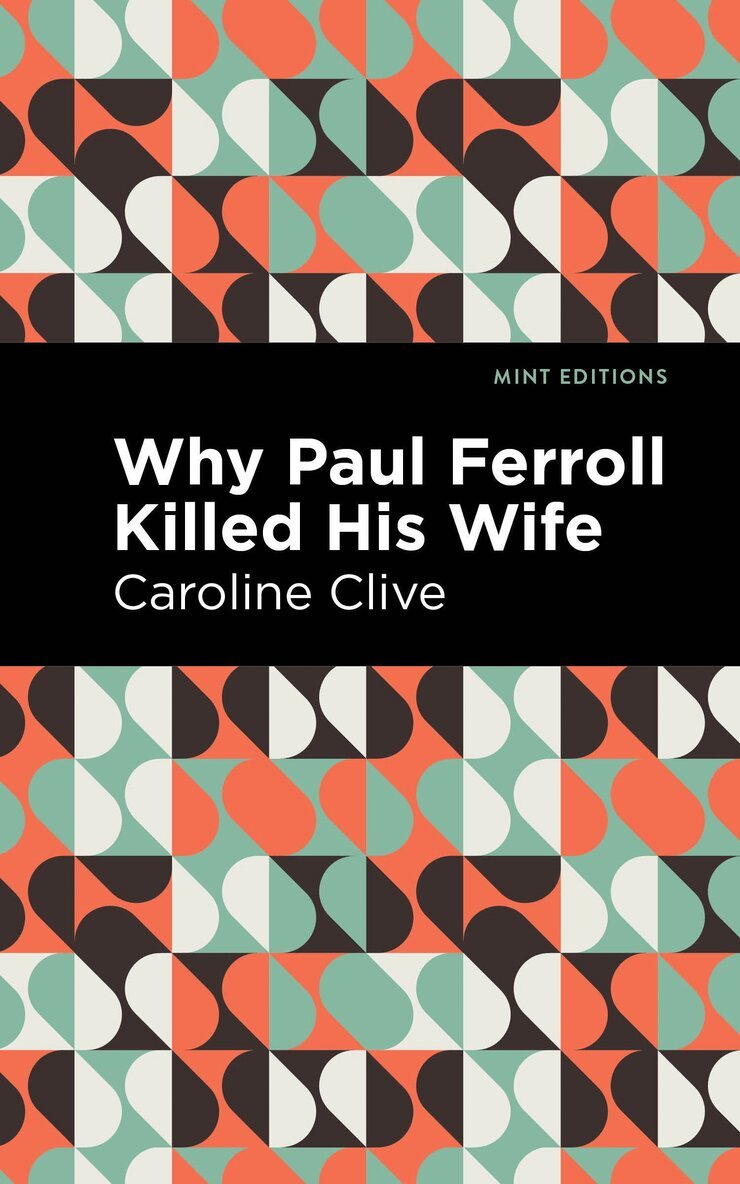
Why Paul Ferroll Killed his Wife (1860) is a novel by Caroline Clive. Published to widespread critical and commercial acclaim, Paul Ferroll gained comparisons to Jane Eyre and predated the rise of popular detective fiction, but has since been largely forgotten.
Five years after its publication, Clive returned to the themes which made Paul Ferroll successful; through close analysis of Victorian social conventions and a skillful use of Gothic horror, she produced Why Paul Ferroll Killed his Wife, a sequel in theme as opposed to narrative. Rather than reprise the characters of her last novel, Clive sought to emphasize the universality of tension and violence in the relationships of men and women by creative a separate scenario capable of expanding upon the first. In this novel, she investigates the motives that lead to murder, illuminating the condition of the male psyche with expert precision.
A gathering convenes at an English country estate for a summer of rest and relaxation. Leslie, an Oxford student, joins his sweetheart Laura for walks in the woods and dinners with friends and family. Intending to ask for Laura’s hand in marriage, Leslie is entirely unprepared for the arrival of Elinor, a young woman on leave from a convent in Brittany. As his feelings for this religious, reclusive figure grow, he finds himself questioning his heart while slowly losing control of his formidable, yet vulnerable mind.
This edition of Caroline Clive’s Why Paul Ferroll Killed his Wife is a classic of English literature reimagined for modern readers.
Since our inception in 2020, Mint Editions has kept sustainability and innovation at the forefront of our mission. Each and every Mint Edition title gets a fresh, professionally typeset manuscript and a dazzling new cover, all while maintaining the integrity of the original book.
With thousands of titles in our collection, we aim to spotlight diverse public domain works to help them find modern audiences. Mint Editions celebrates a breadth of literary works, curated from both canonical and overlooked classics from writers around the globe.
213 kr
Skickas inom 5-8 vardagar
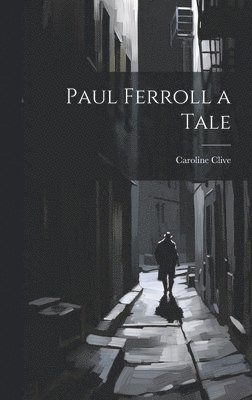
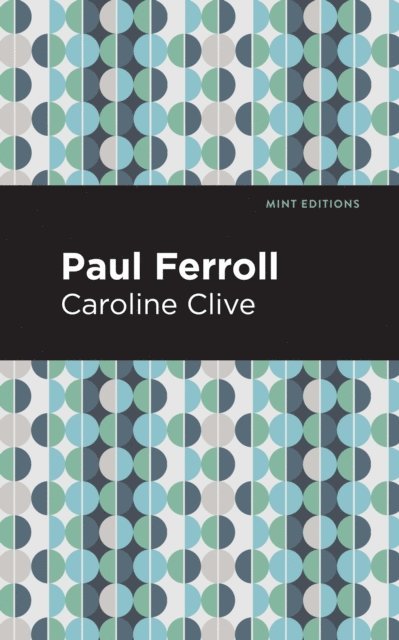
Paul Ferroll (1855) is a novel by Caroline Clive. Published to widespread critical and commercial acclaim, Paul Ferroll gained comparisons to Jane Eyre and predated the rise of popular detective fiction, but has since been largely forgotten. A captivating novel of Victorian social conventions with elements of Gothic horror, Paul Ferroll is an underrecognized work of literature that remains both entertaining and ultimately open ended.
Paul Ferroll, a respected English magistrate, lives with his loving wife and young daughter at their comfortable country estate. When Ferroll’s wife is found murdered in her bed, the family’s idyllic image is disrupted forever. Although a servant is quickly arrested for the crime, a lack of evidence leads to his subsequent acquittal, raising questions about Ferroll’s increasingly reclusive behavior. Despite remarrying, Ferroll clearly harbors a dark secret. He turns away from friends and neighbors, forcing his daughter to raise herself. While an outbreak of cholera devastates the local village, Ferroll, a formerly generous public servant, turns a blind eye to their suffering. As acquaintances speculate, unsure if Ferroll remains in mourning or if his change of heart signals something much darker, his home becomes haunted with ghosts of the living. Building slowly toward its unbearable conclusion, Paul Ferroll investigates the motives that lead to murder, illuminating the condition of the male psyche with expert precision.
This edition of Caroline Clive’s Paul Ferroll is a classic of English literature reimagined for modern readers.
Since our inception in 2020, Mint Editions has kept sustainability and innovation at the forefront of our mission. Each and every Mint Edition title gets a fresh, professionally typeset manuscript and a dazzling new cover, all while maintaining the integrity of the original book.
With thousands of titles in our collection, we aim to spotlight diverse public domain works to help them find modern audiences. Mint Editions celebrates a breadth of literary works, curated from both canonical and overlooked classics from writers around the globe.
121 kr
Skickas inom 5-8 vardagar
Paul Ferroll (1855) is a novel by Caroline Clive. Published to widespread critical and commercial acclaim, Paul Ferroll gained comparisons to Jane Eyre and predated the rise of popular detective fiction, but has since been largely forgotten. A captivating novel of Victorian social conventions with elements of Gothic horror, Paul Ferroll is an underrecognized work of literature that remains both entertaining and ultimately open ended.
Paul Ferroll, a respected English magistrate, lives with his loving wife and young daughter at their comfortable country estate. When Ferroll's wife is found murdered in her bed, the family's idyllic image is disrupted forever. Although a servant is quickly arrested for the crime, a lack of evidence leads to his subsequent acquittal, raising questions about Ferroll's increasingly reclusive behavior. Despite remarrying, Ferroll clearly harbors a dark secret. He turns away from friends and neighbors, forcing his daughter to raise herself. While an outbreak of cholera devastates the local village, Ferroll, a formerly generous public servant, turns a blind eye to their suffering. As acquaintances speculate, unsure if Ferroll remains in mourning or if his change of heart signals something much darker, his home becomes haunted with ghosts of the living. Building slowly toward its unbearable conclusion, Paul Ferroll investigates the motives that lead to murder, illuminating the condition of the male psyche with expert precision.
This edition of Caroline Clive's Paul Ferroll is a classic of English literature reimagined for modern readers.
Since our inception in 2020, Mint Editions has kept sustainability and innovation at the forefront of our mission. Each and every Mint Edition title gets a fresh, professionally typeset manuscript and a dazzling new cover, all while maintaining the integrity of the original book.
With thousands of titles in our collection, we aim to spotlight diverse public domain works to help them find modern audiences. Mint Editions celebrates a breadth of literary works, curated from both canonical and overlooked classics from writers around the globe.
108 kr
Skickas inom 5-8 vardagar
Why Paul Ferroll Killed his Wife (1860) is a novel by Caroline Clive. Published to widespread critical and commercial acclaim, Paul Ferroll gained comparisons to Jane Eyre and predated the rise of popular detective fiction, but has since been largely forgotten.
Five years after its publication, Clive returned to the themes which made Paul Ferroll successful; through close analysis of Victorian social conventions and a skillful use of Gothic horror, she produced Why Paul Ferroll Killed his Wife, a sequel in theme as opposed to narrative. Rather than reprise the characters of her last novel, Clive sought to emphasize the universality of tension and violence in the relationships of men and women by creative a separate scenario capable of expanding upon the first. In this novel, she investigates the motives that lead to murder, illuminating the condition of the male psyche with expert precision.
A gathering convenes at an English country estate for a summer of rest and relaxation. Leslie, an Oxford student, joins his sweetheart Laura for walks in the woods and dinners with friends and family. Intending to ask for Laura's hand in marriage, Leslie is entirely unprepared for the arrival of Elinor, a young woman on leave from a convent in Brittany. As his feelings for this religious, reclusive figure grow, he finds himself questioning his heart while slowly losing control of his formidable, yet vulnerable mind.
This edition of Caroline Clive's Why Paul Ferroll Killed his Wife is a classic of English literature reimagined for modern readers.
Since our inception in 2020, Mint Editions has kept sustainability and innovation at the forefront of our mission. Each and every Mint Edition title gets a fresh, professionally typeset manuscript and a dazzling new cover, all while maintaining the integrity of the original book.
With thousands of titles in our collection, we aim to spotlight diverse public domain works to help them find modern audiences. Mint Editions celebrates a breadth of literary works, curated from both canonical and overlooked classics from writers around the globe.
141 kr
Läs direkt efter köp
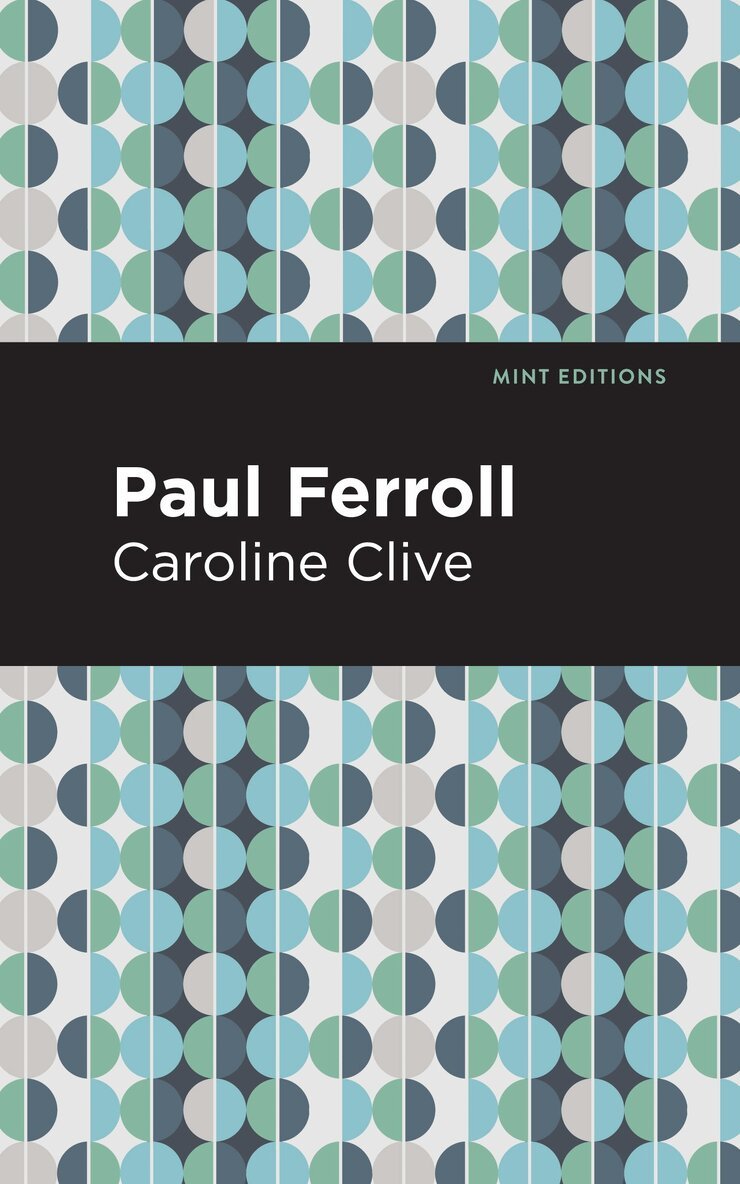
Paul Ferroll (1855) is a novel by Caroline Clive. Published to widespread critical and commercial acclaim, Paul Ferroll gained comparisons to Jane Eyre and predated the rise of popular detective fiction, but has since been largely forgotten. A captivating novel of Victorian social conventions with elements of Gothic horror, Paul Ferroll is an underrecognized work of literature that remains both entertaining and ultimately open ended.
Paul Ferroll, a respected English magistrate, lives with his loving wife and young daughter at their comfortable country estate. When Ferroll’s wife is found murdered in her bed, the family’s idyllic image is disrupted forever. Although a servant is quickly arrested for the crime, a lack of evidence leads to his subsequent acquittal, raising questions about Ferroll’s increasingly reclusive behavior. Despite remarrying, Ferroll clearly harbors a dark secret. He turns away from friends and neighbors, forcing his daughter to raise herself. While an outbreak of cholera devastates the local village, Ferroll, a formerly generous public servant, turns a blind eye to their suffering. As acquaintances speculate, unsure if Ferroll remains in mourning or if his change of heart signals something much darker, his home becomes haunted with ghosts of the living. Building slowly toward its unbearable conclusion, Paul Ferroll investigates the motives that lead to murder, illuminating the condition of the male psyche with expert precision.
This edition of Caroline Clive’s Paul Ferroll is a classic of English literature reimagined for modern readers.
Since our inception in 2020, Mint Editions has kept sustainability and innovation at the forefront of our mission. Each and every Mint Edition title gets a fresh, professionally typeset manuscript and a dazzling new cover, all while maintaining the integrity of the original book.
With thousands of titles in our collection, we aim to spotlight diverse public domain works to help them find modern audiences. Mint Editions celebrates a breadth of literary works, curated from both canonical and overlooked classics from writers around the globe.
126 kr
Läs direkt efter köp
Why Paul Ferroll Killed his Wife (1860) is a novel by Caroline Clive. Published to widespread critical and commercial acclaim, Paul Ferroll gained comparisons to Jane Eyre and predated the rise of popular detective fiction, but has since been largely forgotten.
Five years after its publication, Clive returned to the themes which made Paul Ferroll successful; through close analysis of Victorian social conventions and a skillful use of Gothic horror, she produced Why Paul Ferroll Killed his Wife, a sequel in theme as opposed to narrative. Rather than reprise the characters of her last novel, Clive sought to emphasize the universality of tension and violence in the relationships of men and women by creative a separate scenario capable of expanding upon the first. In this novel, she investigates the motives that lead to murder, illuminating the condition of the male psyche with expert precision.
A gathering convenes at an English country estate for a summer of rest and relaxation. Leslie, an Oxford student, joins his sweetheart Laura for walks in the woods and dinners with friends and family. Intending to ask for Laura’s hand in marriage, Leslie is entirely unprepared for the arrival of Elinor, a young woman on leave from a convent in Brittany. As his feelings for this religious, reclusive figure grow, he finds himself questioning his heart while slowly losing control of his formidable, yet vulnerable mind.
This edition of Caroline Clive’s Why Paul Ferroll Killed his Wife is a classic of English literature reimagined for modern readers.
Since our inception in 2020, Mint Editions has kept sustainability and innovation at the forefront of our mission. Each and every Mint Edition title gets a fresh, professionally typeset manuscript and a dazzling new cover, all while maintaining the integrity of the original book.
With thousands of titles in our collection, we aim to spotlight diverse public domain works to help them find modern audiences. Mint Editions celebrates a breadth of literary works, curated from both canonical and overlooked classics from writers around the globe.
149 kr
Skickas inom 5-8 vardagar
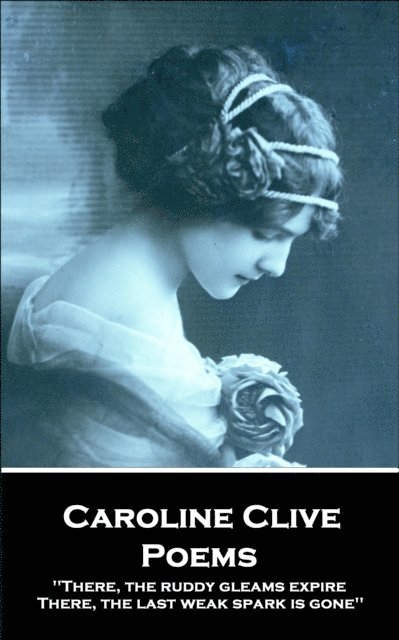
Caroline Meysey-Wigley was born on June 24th 1801 in Brompton Grove, London, the daughter of Edmund Meysey-Wigley, Esq., of Shakenhurst, Worcestershire, M.P. for Worcester, and his wife, Anna Maria Meysey.
A severe illness contracted when she was three left her with several after-effects chief amongst them was lameness.
During her lifetime she became a respected and well-regarded poet and author. All of her works were published anonymously, using the pen name, "V".
In 1840, her ‘IX Poems’ appeared in a small duodecimo, which Hartley Coleridge reviewed in the September edition of the Quarterly Review:—
"We suppose V stands for Victoria, and really she queens it among our fair friends. Perhaps V will think it a questionable compliment, if we say, like the late Baron Graham to Lady —, in the Assize Court at Exeter, ''We beg your ladyship''s pardon, but we took you for a man.'' Indeed, these few pages are distinguished by a sad Lucretian tone, such as very seldom comes from a woman''s lyre. But V is a woman, and no ordinary woman certainly; though, whether spinster, wife, or widow, we have not been informed. The stanzas printed by us are, in our judgment, worthy of any one of our greatest poets in his happiest moments."
It was very fine praise indeed and was only one of many.
Later that year on November 10th, she married the Reverend Archer Clive. The union would produce a son (1842) and a daughter (1843).
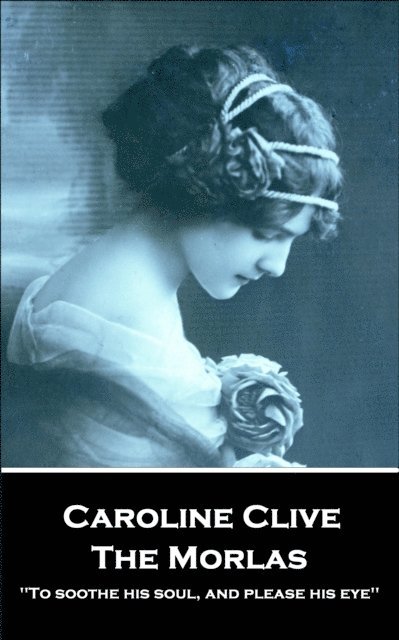
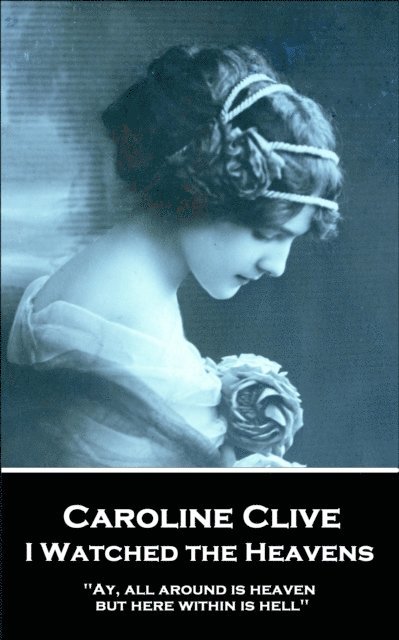
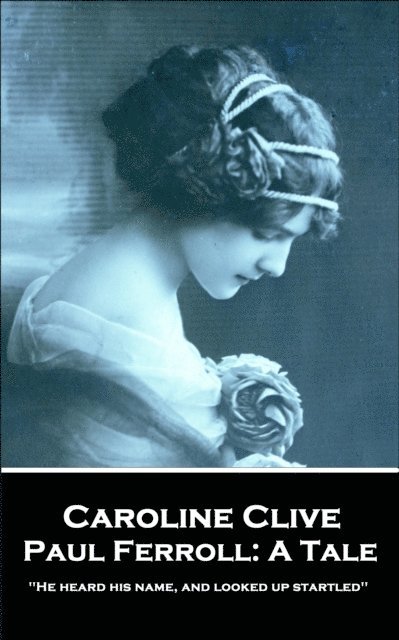
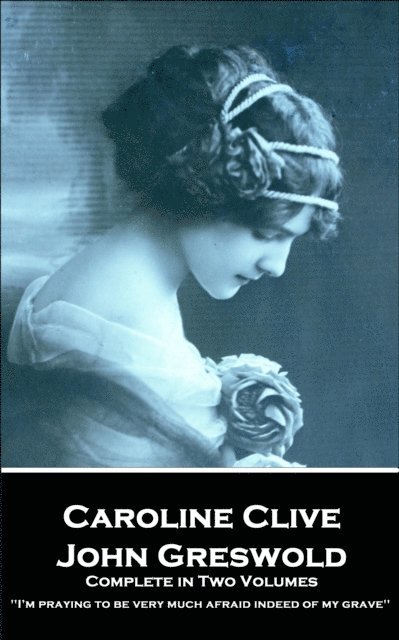
Caroline continued to write and the following year, 1841, published a second edition of ‘IX Poems’ which was followed by ‘I Watched the Heavens’ (1842); ‘The Queen''s Ball’ (1847); ‘Valley of the Rea’ (1851); and ‘The Morlas’ (1853). She now also began to add novels to her publications beginning with one from the popular sensational genre: ‘Paul Ferroll: A Tale’ (1855). It was hugely successful.
In literary terms, aside from her poems, her reputation is most burnished by ‘Paul Ferroll’ and its sequel, ‘Why Paul Ferroll Killed his Wife’. The first is generally accepted to be the most superior of all her works and passed into several editions and translations. It was only with the fourth edition that the concluding chapter, which brought the story down to the death of Paul Ferroll, was added. ‘V’ was now a respected and popular novelist to go with her glowing reputation as a poet.
‘Paul Ferroll’ is considered the precursor of the genre ‘sensational novel’ or of what may be called the novel mystery. Caroline was included in the forefront of the sensational novelists of the 19th-century, anticipating the works of Wilkie Collins, Charles Reade, Miss Braddon, and many others, writing of human nature as defined by its energies, neither diagnosing it like a physician, nor analysing it like a priest.
Caroline’s health was always a delicate issue and for many years prior to her death she was a confirmed invalid.
Caroline Clive died when her dress caught fire whilst she was seated in her boudoir and among her papers on July 13th 1873, at Whitfield, Herefordshire.
225 kr
Skickas inom 3-6 vardagar
Caroline Meysey-Wigley was born on June 24th 1801 in Brompton Grove, London, the daughter of Edmund Meysey-Wigley, Esq., of Shakenhurst, Worcestershire, M.P. for Worcester, and his wife, Anna Maria Meysey.
A severe illness contracted when she was three left her with several after-effects chief amongst them was lameness.
During her lifetime she became a respected and well-regarded poet and author. All of her works were published anonymously, using the pen name, "V".
In 1840, her ‘IX Poems’ appeared in a small duodecimo, which Hartley Coleridge reviewed in the September edition of the Quarterly Review:—
"We suppose V stands for Victoria, and really she queens it among our fair friends. Perhaps V will think it a questionable compliment, if we say, like the late Baron Graham to Lady —, in the Assize Court at Exeter, ''We beg your ladyship''s pardon, but we took you for a man.'' Indeed, these few pages are distinguished by a sad Lucretian tone, such as very seldom comes from a woman''s lyre. But V is a woman, and no ordinary woman certainly; though, whether spinster, wife, or widow, we have not been informed. The stanzas printed by us are, in our judgment, worthy of any one of our greatest poets in his happiest moments."
It was very fine praise indeed and was only one of many.
Later that year on November 10th, she married the Reverend Archer Clive. The union would produce a son (1842) and a daughter (1843).
Caroline continued to write and the following year, 1841, published a second edition of ‘IX Poems’ which was followed by ‘I Watched the Heavens’ (1842); ‘The Queen''s Ball’ (1847); ‘Valley of the Rea’ (1851); and ‘The Morlas’ (1853). She now also began to add novels to her publications beginning with one from the popular sensational genre: ‘Paul Ferroll: A Tale’ (1855). It was hugely successful.
In literary terms, aside from her poems, her reputation is most burnished by ‘Paul Ferroll’ and its sequel, ‘Why Paul Ferroll Killed his Wife’. The first is generally accepted to be the most superior of all her works and passed into several editions and translations. It was only with the fourth edition that the concluding chapter, which brought the story down to the death of Paul Ferroll, was added. ‘V’ was now a respected and popular novelist to go with her glowing reputation as a poet.
‘Paul Ferroll’ is considered the precursor of the genre ‘sensational novel’ or of what may be called the novel mystery. Caroline was included in the forefront of the sensational novelists of the 19th-century, anticipating the works of Wilkie Collins, Charles Reade, Miss Braddon, and many others, writing of human nature as defined by its energies, neither diagnosing it like a physician, nor analysing it like a priest.
Caroline’s health was always a delicate issue and for many years prior to her death she was a confirmed invalid.
Caroline Clive died when her dress caught fire whilst she was seated in her boudoir and among her papers on July 13th 1873, at Whitfield, Herefordshire.
20 kr
Skickas
Caroline Meysey-Wigley was born on June 24th 1801 in Brompton Grove, London, the daughter of Edmund Meysey-Wigley, Esq., of Shakenhurst, Worcestershire, M.P. for Worcester, and his wife, Anna Maria Meysey.
A severe illness contracted when she was three left her with several after-effects chief amongst them was lameness.
During her lifetime she became a respected and well-regarded poet and author. All of her works were published anonymously, using the pen name, "V".
In 1840, her ‘IX Poems’ appeared in a small duodecimo, which Hartley Coleridge reviewed in the September edition of the Quarterly Review:—
"We suppose V stands for Victoria, and really she queens it among our fair friends. Perhaps V will think it a questionable compliment, if we say, like the late Baron Graham to Lady —, in the Assize Court at Exeter, ''We beg your ladyship''s pardon, but we took you for a man.'' Indeed, these few pages are distinguished by a sad Lucretian tone, such as very seldom comes from a woman''s lyre. But V is a woman, and no ordinary woman certainly; though, whether spinster, wife, or widow, we have not been informed. The stanzas printed by us are, in our judgment, worthy of any one of our greatest poets in his happiest moments."
It was very fine praise indeed and was only one of many.
Later that year on November 10th, she married the Reverend Archer Clive. The union would produce a son (1842) and a daughter (1843).
Caroline continued to write and the following year, 1841, published a second edition of ‘IX Poems’ which was followed by ‘I Watched the Heavens’ (1842); ‘The Queen''s Ball’ (1847); ‘Valley of the Rea’ (1851); and ‘The Morlas’ (1853). She now also began to add novels to her publications beginning with one from the popular sensational genre: ‘Paul Ferroll: A Tale’ (1855). It was hugely successful.
In literary terms, aside from her poems, her reputation is most burnished by ‘Paul Ferroll’ and its sequel, ‘Why Paul Ferroll Killed his Wife’. The first is generally accepted to be the most superior of all her works and passed into several editions and translations. It was only with the fourth edition that the concluding chapter, which brought the story down to the death of Paul Ferroll, was added. ‘V’ was now a respected and popular novelist to go with her glowing reputation as a poet.
‘Paul Ferroll’ is considered the precursor of the genre ‘sensational novel’ or of what may be called the novel mystery. Caroline was included in the forefront of the sensational novelists of the 19th-century, anticipating the works of Wilkie Collins, Charles Reade, Miss Braddon, and many others, writing of human nature as defined by its energies, neither diagnosing it like a physician, nor analysing it like a priest.
Caroline’s health was always a delicate issue and for many years prior to her death she was a confirmed invalid.
Caroline Clive died when her dress caught fire whilst she was seated in her boudoir and among her papers on July 13th 1873, at Whitfield, Herefordshire.
39 kr
Skickas
Caroline Meysey-Wigley was born on June 24th 1801 in Brompton Grove, London, the daughter of Edmund Meysey-Wigley, Esq., of Shakenhurst, Worcestershire, M.P. for Worcester, and his wife, Anna Maria Meysey.
A severe illness contracted when she was three left her with several after-effects chief amongst them was lameness.
During her lifetime she became a respected and well-regarded poet and author. All of her works were published anonymously, using the pen name, "V".
In 1840, her ‘IX Poems’ appeared in a small duodecimo, which Hartley Coleridge reviewed in the September edition of the Quarterly Review:—
"We suppose V stands for Victoria, and really she queens it among our fair friends. Perhaps V will think it a questionable compliment, if we say, like the late Baron Graham to Lady —, in the Assize Court at Exeter, ''We beg your ladyship''s pardon, but we took you for a man.'' Indeed, these few pages are distinguished by a sad Lucretian tone, such as very seldom comes from a woman''s lyre. But V is a woman, and no ordinary woman certainly; though, whether spinster, wife, or widow, we have not been informed. The stanzas printed by us are, in our judgment, worthy of any one of our greatest poets in his happiest moments."
It was very fine praise indeed and was only one of many.
Later that year on November 10th, she married the Reverend Archer Clive. The union would produce a son (1842) and a daughter (1843).
Caroline continued to write and the following year, 1841, published a second edition of ‘IX Poems’ which was followed by ‘I Watched the Heavens’ (1842); ‘The Queen''s Ball’ (1847); ‘Valley of the Rea’ (1851); and ‘The Morlas’ (1853). She now also began to add novels to her publications beginning with one from the popular sensational genre: ‘Paul Ferroll: A Tale’ (1855). It was hugely successful.
In literary terms, aside from her poems, her reputation is most burnished by ‘Paul Ferroll’ and its sequel, ‘Why Paul Ferroll Killed his Wife’. The first is generally accepted to be the most superior of all her works and passed into several editions and translations. It was only with the fourth edition that the concluding chapter, which brought the story down to the death of Paul Ferroll, was added. ‘V’ was now a respected and popular novelist to go with her glowing reputation as a poet.
‘Paul Ferroll’ is considered the precursor of the genre ‘sensational novel’ or of what may be called the novel mystery. Caroline was included in the forefront of the sensational novelists of the 19th-century, anticipating the works of Wilkie Collins, Charles Reade, Miss Braddon, and many others, writing of human nature as defined by its energies, neither diagnosing it like a physician, nor analysing it like a priest.
Caroline’s health was always a delicate issue and for many years prior to her death she was a confirmed invalid.
Caroline Clive died when her dress caught fire whilst she was seated in her boudoir and among her papers on July 13th 1873, at Whitfield, Herefordshire.
222 kr
Skickas inom 3-6 vardagar
Caroline Meysey-Wigley was born on June 24th 1801 in Brompton Grove, London, the daughter of Edmund Meysey-Wigley, Esq., of Shakenhurst, Worcestershire, M.P. for Worcester, and his wife, Anna Maria Meysey.
A severe illness contracted when she was three left her with several after-effects chief amongst them was lameness.
During her lifetime she became a respected and well-regarded poet and author. All of her works were published anonymously, using the pen name, "V".
In 1840, her ‘IX Poems’ appeared in a small duodecimo, which Hartley Coleridge reviewed in the September edition of the Quarterly Review:—
"We suppose V stands for Victoria, and really she queens it among our fair friends. Perhaps V will think it a questionable compliment, if we say, like the late Baron Graham to Lady —, in the Assize Court at Exeter, ''We beg your ladyship''s pardon, but we took you for a man.'' Indeed, these few pages are distinguished by a sad Lucretian tone, such as very seldom comes from a woman''s lyre. But V is a woman, and no ordinary woman certainly; though, whether spinster, wife, or widow, we have not been informed. The stanzas printed by us are, in our judgment, worthy of any one of our greatest poets in his happiest moments."
It was very fine praise indeed and was only one of many.
Later that year on November 10th, she married the Reverend Archer Clive. The union would produce a son (1842) and a daughter (1843).
Caroline continued to write and the following year, 1841, published a second edition of ‘IX Poems’ which was followed by ‘I Watched the Heavens’ (1842); ‘The Queen''s Ball’ (1847); ‘Valley of the Rea’ (1851); and ‘The Morlas’ (1853). She now also began to add novels to her publications beginning with one from the popular sensational genre: ‘Paul Ferroll: A Tale’ (1855). It was hugely successful.
In literary terms, aside from her poems, her reputation is most burnished by ‘Paul Ferroll’ and its sequel, ‘Why Paul Ferroll Killed his Wife’. The first is generally accepted to be the most superior of all her works and passed into several editions and translations. It was only with the fourth edition that the concluding chapter, which brought the story down to the death of Paul Ferroll, was added. ‘V’ was now a respected and popular novelist to go with her glowing reputation as a poet.
‘Paul Ferroll’ is considered the precursor of the genre ‘sensational novel’ or of what may be called the novel mystery. Caroline was included in the forefront of the sensational novelists of the 19th-century, anticipating the works of Wilkie Collins, Charles Reade, Miss Braddon, and many others, writing of human nature as defined by its energies, neither diagnosing it like a physician, nor analysing it like a priest.
Caroline’s health was always a delicate issue and for many years prior to her death she was a confirmed invalid.
Caroline Clive died when her dress caught fire whilst she was seated in her boudoir and among her papers on July 13th 1873, at Whitfield, Herefordshire.
39 kr
Läs direkt efter köp
Caroline Meysey-Wigley was born on June 24th 1801 in Brompton Grove, London, the daughter of Edmund Meysey-Wigley, Esq., of Shakenhurst, Worcestershire, M.P. for Worcester, and his wife, Anna Maria Meysey.
A severe illness contracted when she was three left her with several after-effects chief amongst them was lameness.
During her lifetime she became a respected and well-regarded poet and author. All of her works were published anonymously, using the pen name, "V".
In 1840, her ‘IX Poems’ appeared in a small duodecimo, which Hartley Coleridge reviewed in the September edition of the Quarterly Review:—
"We suppose V stands for Victoria, and really she queens it among our fair friends. Perhaps V will think it a questionable compliment, if we say, like the late Baron Graham to Lady —, in the Assize Court at Exeter, ''We beg your ladyship''s pardon, but we took you for a man.'' Indeed, these few pages are distinguished by a sad Lucretian tone, such as very seldom comes from a woman''s lyre. But V is a woman, and no ordinary woman certainly; though, whether spinster, wife, or widow, we have not been informed. The stanzas printed by us are, in our judgment, worthy of any one of our greatest poets in his happiest moments."
It was very fine praise indeed and was only one of many.
Later that year on November 10th, she married the Reverend Archer Clive. The union would produce a son (1842) and a daughter (1843).
Caroline continued to write and the following year, 1841, published a second edition of ‘IX Poems’ which was followed by ‘I Watched the Heavens’ (1842); ‘The Queen''s Ball’ (1847); ‘Valley of the Rea’ (1851); and ‘The Morlas’ (1853). She now also began to add novels to her publications beginning with one from the popular sensational genre: ‘Paul Ferroll: A Tale’ (1855). It was hugely successful.
In literary terms, aside from her poems, her reputation is most burnished by ‘Paul Ferroll’ and its sequel, ‘Why Paul Ferroll Killed his Wife’. The first is generally accepted to be the most superior of all her works and passed into several editions and translations. It was only with the fourth edition that the concluding chapter, which brought the story down to the death of Paul Ferroll, was added. ‘V’ was now a respected and popular novelist to go with her glowing reputation as a poet.
‘Paul Ferroll’ is considered the precursor of the genre ‘sensational novel’ or of what may be called the novel mystery. Caroline was included in the forefront of the sensational novelists of the 19th-century, anticipating the works of Wilkie Collins, Charles Reade, Miss Braddon, and many others, writing of human nature as defined by its energies, neither diagnosing it like a physician, nor analysing it like a priest.
Caroline’s health was always a delicate issue and for many years prior to her death she was a confirmed invalid.
Caroline Clive died when her dress caught fire whilst she was seated in her boudoir and among her papers on July 13th 1873, at Whitfield, Herefordshire.
39 kr
Läs direkt efter köp
Caroline Meysey-Wigley was born on June 24th 1801 in Brompton Grove, London, the daughter of Edmund Meysey-Wigley, Esq., of Shakenhurst, Worcestershire, M.P. for Worcester, and his wife, Anna Maria Meysey.
A severe illness contracted when she was three left her with several after-effects chief amongst them was lameness.
During her lifetime she became a respected and well-regarded poet and author. All of her works were published anonymously, using the pen name, "V".
In 1840, her ‘IX Poems’ appeared in a small duodecimo, which Hartley Coleridge reviewed in the September edition of the Quarterly Review:—
"We suppose V stands for Victoria, and really she queens it among our fair friends. Perhaps V will think it a questionable compliment, if we say, like the late Baron Graham to Lady —, in the Assize Court at Exeter, ''We beg your ladyship''s pardon, but we took you for a man.'' Indeed, these few pages are distinguished by a sad Lucretian tone, such as very seldom comes from a woman''s lyre. But V is a woman, and no ordinary woman certainly; though, whether spinster, wife, or widow, we have not been informed. The stanzas printed by us are, in our judgment, worthy of any one of our greatest poets in his happiest moments."
It was very fine praise indeed and was only one of many.
Later that year on November 10th, she married the Reverend Archer Clive. The union would produce a son (1842) and a daughter (1843).
Caroline continued to write and the following year, 1841, published a second edition of ‘IX Poems’ which was followed by ‘I Watched the Heavens’ (1842); ‘The Queen''s Ball’ (1847); ‘Valley of the Rea’ (1851); and ‘The Morlas’ (1853). She now also began to add novels to her publications beginning with one from the popular sensational genre: ‘Paul Ferroll: A Tale’ (1855). It was hugely successful.
In literary terms, aside from her poems, her reputation is most burnished by ‘Paul Ferroll’ and its sequel, ‘Why Paul Ferroll Killed his Wife’. The first is generally accepted to be the most superior of all her works and passed into several editions and translations. It was only with the fourth edition that the concluding chapter, which brought the story down to the death of Paul Ferroll, was added. ‘V’ was now a respected and popular novelist to go with her glowing reputation as a poet.
‘Paul Ferroll’ is considered the precursor of the genre ‘sensational novel’ or of what may be called the novel mystery. Caroline was included in the forefront of the sensational novelists of the 19th-century, anticipating the works of Wilkie Collins, Charles Reade, Miss Braddon, and many others, writing of human nature as defined by its energies, neither diagnosing it like a physician, nor analysing it like a priest.
Caroline’s health was always a delicate issue and for many years prior to her death she was a confirmed invalid.
Caroline Clive died when her dress caught fire whilst she was seated in her boudoir and among her papers on July 13th 1873, at Whitfield, Herefordshire.
931 kr
Skickas inom 5-8 vardagar
262 kr
Skickas inom 5-8 vardagar
253 kr
Skickas inom 5-8 vardagar