As the perfect companion to introduction to ethics courses, Dell'Olio and Simon's reader includes the most influential ethical theories without overwhelming the beginning student. It contains a variety of readings encompassing contemporary and classic philosophers, male and female perspectives of both Western and non-Western ethical traditions, and readings in both theoretical and applied ethics. Introduction to Ethics comprises of thirty-seven essays divided into nine chapters; the first chapter introduces the nature of moral theory with a brief account of the different moral theories that will follow in the text. Chapters 2 through 8 are each devoted to a particular moral theory with readings that represent the position and those who challenge it, accompanied by an application of the theory to a particular moral problem. Finally, chapter 9 offers readings in practical guidance on "living a good life." Each chapter has a brief introduction that provides an overview of the selection with pointers on what to note as the selection is read and concludes with a series of thought-provoking study questions and a selection for further reading making it easier for students to understand and appreciate their reading.
As the perfect companion to introduction to ethics courses, Dell'Olio and Simon's reader includes the most influential ethical theories without overwhelming the beginning student. It contains a variety of readings encompassing contemporary and classic philosophers, male and female perspectives of both Western and non-Western ethical traditions, and readings in both theoretical and applied ethics. Introduction to Ethics comprises of thirty-seven essays divided into nine chapters; the first chapter introduces the nature of moral theory with a brief account of the different moral theories that will follow in the text. Chapters 2 through 8 are each devoted to a particular moral theory with readings that represent the position and those who challenge it, accompanied by an application of the theory to a particular moral problem. Finally, chapter 9 offers readings in practical guidance on 'living a good life.' Each chapter has a brief introduction that provides an overview of the selection with pointers on what to note as the selection is read and concludes with a series of thought-provoking study questions and a selection for further reading making it easier for students to understand and appreciate their reading.
Simon (philosophy, Hope College) presents Roman Catholic and Protestant perspectives on ways to nurture new faculty at church-related educational institutions, for those involved in administering faculty development programs and for those seeking advice on designing and implementing such programs.
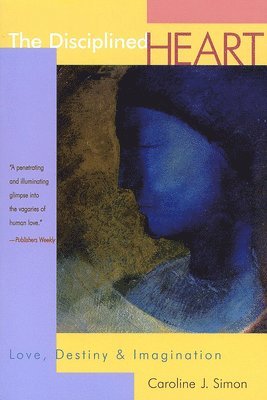
Often what passes for love is a product of self-deception and wishful thinking. Genuine love, according to philosopher Caroline J. Simon, must be based on knowledge of reality, and Christianity affirms that reality includes not just who people are but the unfolding story of who God intends them to be.Taking the use of narrative seriously, The Disciplined Heart draws on works of literature to display a Christian understanding of love in its various forms: love of self, love of neighbor, friendship, romantic love, and marital love. Using instances of love and its counterfeits in novels and short stories by such authors as Flannery O'Connor, Leo Tolstoy, George Eliot, and F. Scott Fitzgerald, Simon constructs an account of love's joys and obligations that both charms and instructs. Learned, astute, and elegantly written, The Disciplined Heart is a groundbreaking work at the intersection of theology, philosophy, and literary analysis.
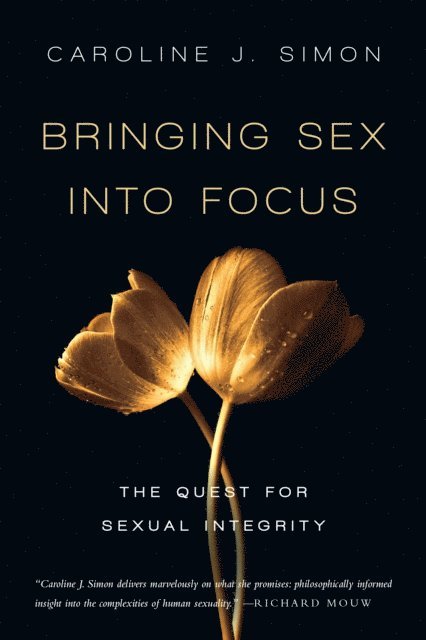
In a culture that includes sex in everything from advertising to climbing the corporate ladder, it''s easy to feel fuzzy about the true purpose and place of sexuality.In this book philosopher and ethicist Caroline J. Simon identifies six "lenses" through which people understand sex and sexuality: covenantal, procreative, expressive, romantic, power and "plain sex." Guided by a virtue ethic, she applies those lenses to a variety of sexual scenarios, from flirtation and desire to marital sexuality, helping us to see what filters we run issues of sexuality through and how, properly ordered and weighted, they can help us achieve sexual integrity.Here is a book for anyone interested in developing a holistic, biblical sexual ethic that brings into focus the bewildering array of cultural sexual presentations we''re surrounded by every day.
As the perfect companion to introduction to ethics courses, Dell''Olio and Simon''s reader includes the most influential ethical theories without overwhelming the beginning student. It contains a variety of readings encompassing contemporary and classic philosophers, male and female perspectives of both Western and non-Western ethical traditions, and readings in both theoretical and applied ethics. Introduction to Ethics comprises of thirty-seven essays divided into nine chapters; the first chapter introduces the nature of moral theory with a brief account of the different moral theories that will follow in the text. Chapters 2 through 8 are each devoted to a particular moral theory with readings that represent the position and those who challenge it, accompanied by an application of the theory to a particular moral problem. Finally, chapter 9 offers readings in practical guidance on "living a good life." Each chapter has a brief introduction that provides an overview of the selection with pointers on what to note as the selection is read and concludes with a series of thought-provoking study questions and a selection for further reading making it easier for students to understand and appreciate their reading.