Caroline Norton – författare
Visar alla böcker från författaren Caroline Norton. Handla med fri frakt och snabb leverans.
7 produkter
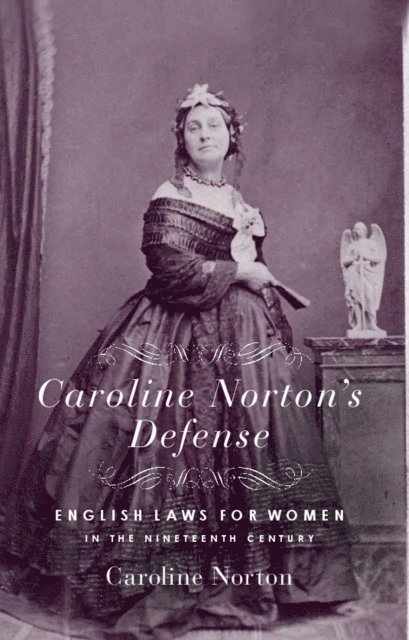
Caroline Norton's Defense
English Laws for Women in the 19th Century
E-bok, 2015
105 kr
Lägg i varukorg
This account of the author''s experience at the hands of an "imperfect state of law" in early 19th-century England makes a passionate plea for equal justice for women. Largely as a result of this book the passage of the Married Women''s Property Act and reform of the English Marriage and Divorce …
Letter to the Queen
On Lord Chancellor Cranworth's Marriage and Divorce Bill
Av Caroline Norton, Richard Garnett m. fl.
Häftad, 2020
171 kr
Lägg i varukorg
Letter to the Queen
On Lord Chancellor Cranworth''s Marriage and Divorce Bill
Av William Bates, Richard Garnett m. fl.
E-bok, 2020
142 kr
Lägg i varukorg
Caroline Elizabeth Sarah Norton (1808–1877) was an English author and social reformer. After Norton left her husband in 1836, he sued her friend and Prime Minister Lord Melbourne for adultery. Though the claim was thrown out of court, Norton was denied a divorce and access to her children. In …
Caroline Norton's Defense
English Laws for Women in the 19th Century
E-bok, 2015
105 kr
Lägg i varukorg
This account of the author''s experience at the hands of an "imperfect state of law" in early 19th-century England makes a passionate plea for equal justice for women. Largely as a result of this book the passage of the Married Women''s Property Act and reform of the English Marriage and Divorce …
![Caroline Norton - Lady of La Garaye. [A Poem.], Häftad. Tillgänglighet: Lägg i varukorg](https://image.bokus.com/images2/9781241542306_766)