Carolyn J. Eichner – författare
Visar alla böcker från författaren . Handla med fri frakt och snabb leverans.
5 produkter
5 produkter
Häftad, Engelska, 2022
246 kr
Skickas
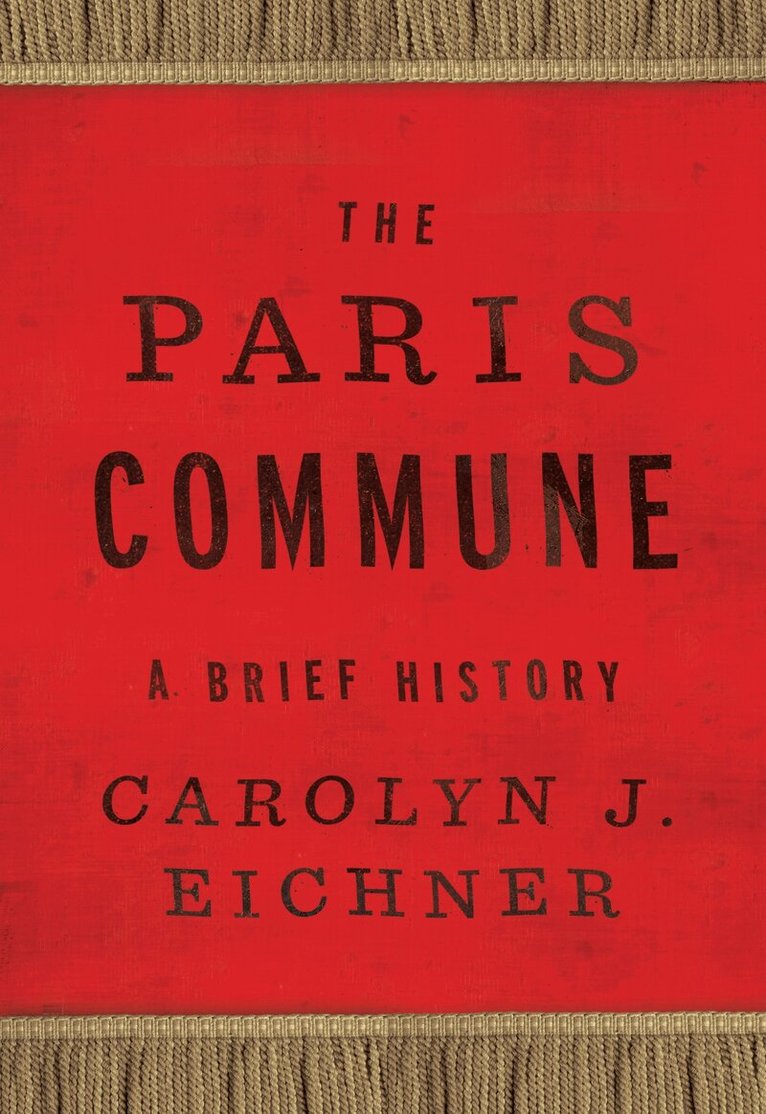
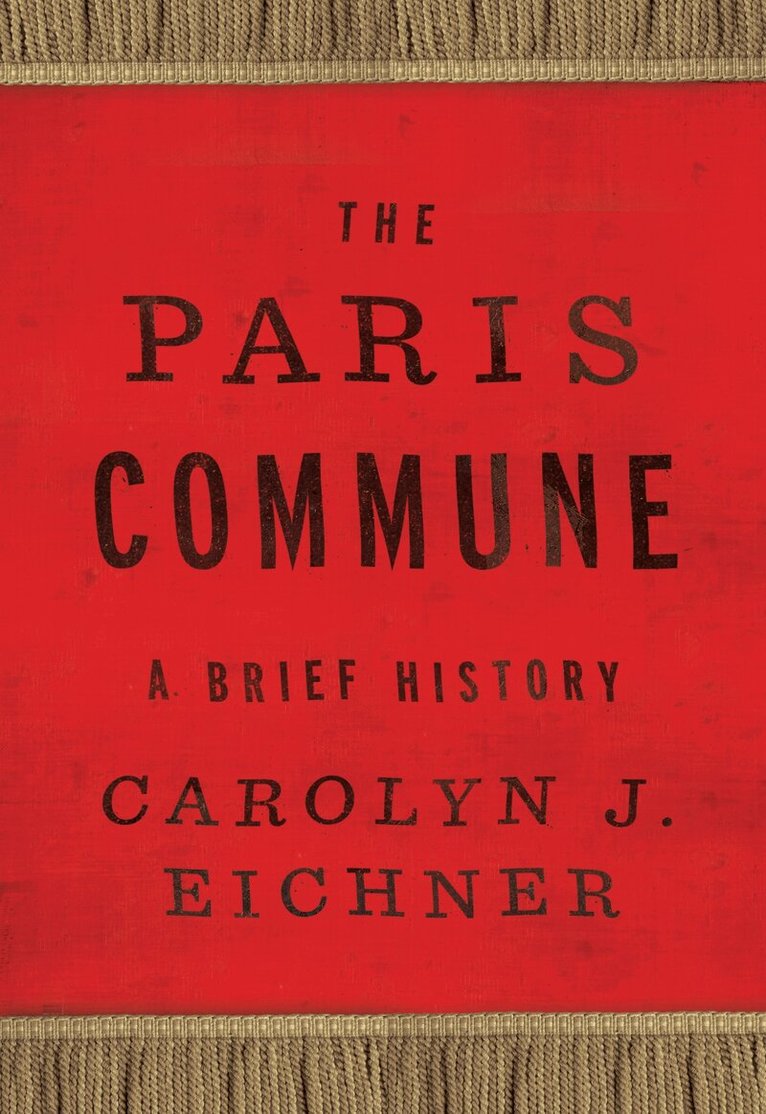
At dawn on March 18, 1871, Parisian women stepped between cannons and French soldiers, using their bodies to block the army from taking the artillery from their working-class neighborhood. When ordered to fire, the troops refused and instead turned and arrested their leaders. Thus began the Paris Commune, France's revolutionary civil war that rocked the nineteenth century and shaped the twentieth. Considered a golden moment of hope and potential by the left, and a black hour of terrifying power inversions by the right, the Commune occupies a critical position in understanding modern history and politics. A 72-day conflict that ended with the ferocious slaughter of Parisians, the Commune represents for some the final insurgent burst of the French Revolution's long wake, for others the first "successful" socialist uprising, and for yet others an archetype for egalitarian socio-economic, feminist, and political change. Militants have referenced and incorporated its ideas into insurrections across the globe, throughout the twentieth and into the twenty-first centuries, keeping alive the revolution's now-iconic goals and images. Innumerable scholars in countless languages have examined aspects of the 1871 uprising, taking perspectives ranging from glorifying to damning this world-shaking event. The Commune stands as a critical and pivotal moment in nineteenth-century history, as the linchpin between revolutionary pasts and futures, and as the crucible allowing glimpses of alternate possibilities. Upending hierarchies of class, religion, and gender, the Commune emerged as a touchstone for the subsequent century-and-a-half of revolutionary and radical social movements.
Häftad, Engelska, 2004
291 kr
Skickas inom 10-15 vardagar
This book vividly evokes radical women's integral roles within France's revolutionary civil war known as the Paris Commune. It demonstrates the breadth, depth, and impact of communard feminist socialisms far beyond the 1871 insurrection. Examining the period from the early 1860s through that century's end, Carolyn J. Eichner investigates how radical women developed critiques of gender, class, and religious hierarchies in the immediate pre-Commune era, how these ideologies emerged as a plurality of feminist socialisms within the revolution, and how these varied politics subsequently affected fin-de-siècle gender and class relations. She focuses on three distinctly dissimilar revolutionary women leaders who exemplify multiple competing and complementary feminist socialisms: Andre Leo, Elisabeth Dmitrieff, and Paule Mink. Leo theorized and educated through journalism and fiction, Dmitrieff organized institutional power for working-class women, and Mink agitated crowds to create an egalitarian socialist world. Each woman forged her own path to gender equality and social justice.
Inbunden, Engelska, 2022
1 653 kr
Skickas inom 10-15 vardagar
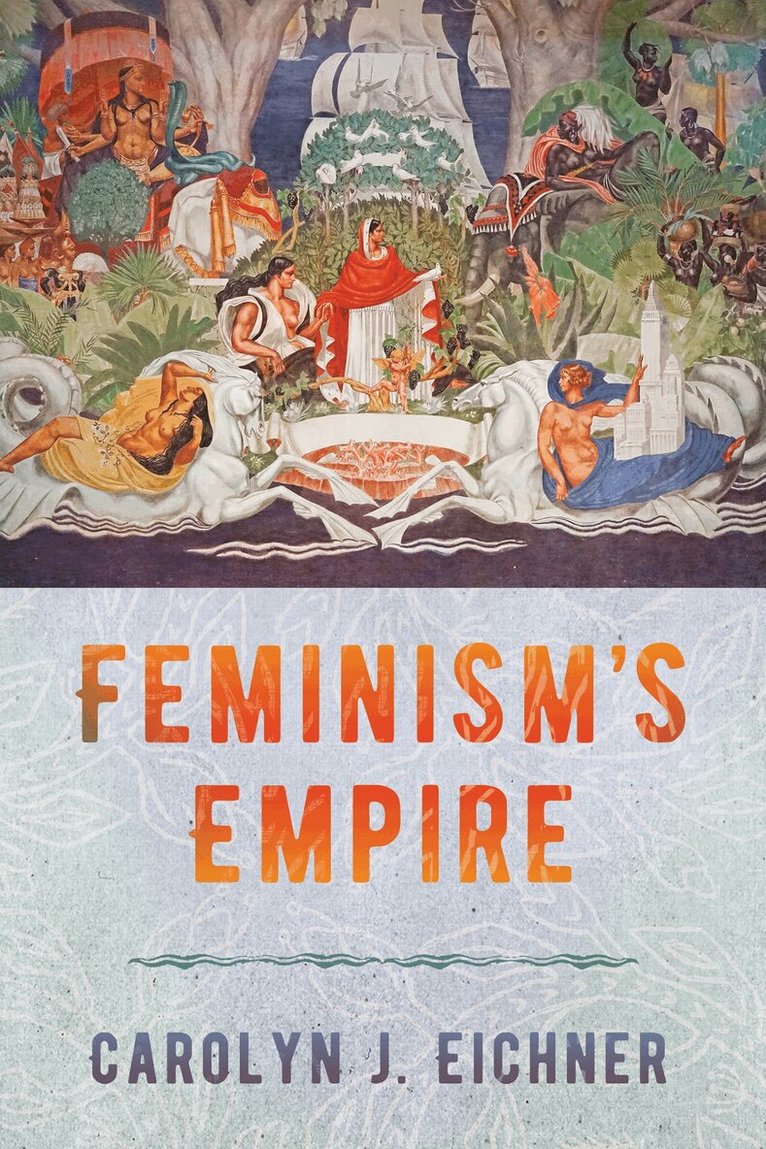
Feminism's Empire investigates the complex relationships between imperialisms and feminisms in the late nineteenth century and demonstrates the challenge of conceptualizing "pro-imperialist" and "anti-imperialist" as binary positions. By intellectually and spatially tracing the era's first French feminists' engagement with empire, Carolyn J. Eichner explores how feminists opposed—yet employed—approaches to empire in writing, speaking, and publishing. In differing ways, they ultimately tied forms of imperialism to gender liberation. Among the era's first anti-imperialists, French feminists were enmeshed in the hierarchies and epistemologies of empire. They likened their gender-based marginalization to imperialist oppressions. Imperialism and colonialism's gendered and sexualized racial hierarchies established categories of inclusion and exclusion that rested in both universalism and ideas of "nature" that presented colonized people with theoretical, yet impossible, paths to integration. Feminists faced similar barriers to full incorporation due to the gendered contradictions inherent in universalism. The system presumed citizenship to be male and thus positioned women as outsiders. Feminism's Empire connects this critical struggle to hierarchical power shifts in racial and national status that created uneasy linkages between French feminists and imperial authorities.
Häftad, Engelska, 2022
390 kr
Skickas inom 10-15 vardagar
Feminism's Empire investigates the complex relationships between imperialisms and feminisms in the late nineteenth century and demonstrates the challenge of conceptualizing "pro-imperialist" and "anti-imperialist" as binary positions. By intellectually and spatially tracing the era's first French feminists' engagement with empire, Carolyn J. Eichner explores how feminists opposed—yet employed—approaches to empire in writing, speaking, and publishing. In differing ways, they ultimately tied forms of imperialism to gender liberation. Among the era's first anti-imperialists, French feminists were enmeshed in the hierarchies and epistemologies of empire. They likened their gender-based marginalization to imperialist oppressions. Imperialism and colonialism's gendered and sexualized racial hierarchies established categories of inclusion and exclusion that rested in both universalism and ideas of "nature" that presented colonized people with theoretical, yet impossible, paths to integration. Feminists faced similar barriers to full incorporation due to the gendered contradictions inherent in universalism. The system presumed citizenship to be male and thus positioned women as outsiders. Feminism's Empire connects this critical struggle to hierarchical power shifts in racial and national status that created uneasy linkages between French feminists and imperial authorities.
Inbunden, Engelska, 2022
777 kr
Skickas inom 5-8 vardagar
At dawn on March 18, 1871, Parisian women stepped between cannons and French soldiers, using their bodies to block the army from taking the artillery from their working-class neighborhood. When ordered to fire, the troops refused and instead turned and arrested their leaders. Thus began the Paris Commune, France's revolutionary civil war that rocked the nineteenth century and shaped the twentieth. Considered a golden moment of hope and potential by the left, and a black hour of terrifying power inversions by the right, the Commune occupies a critical position in understanding modern history and politics. A 72-day conflict that ended with the ferocious slaughter of Parisians, the Commune represents for some the final insurgent burst of the French Revolution's long wake, for others the first "successful" socialist uprising, and for yet others an archetype for egalitarian socio-economic, feminist, and political change. Militants have referenced and incorporated its ideas into insurrections across the globe, throughout the twentieth and into the twenty-first centuries, keeping alive the revolution's now-iconic goals and images. Innumerable scholars in countless languages have examined aspects of the 1871 uprising, taking perspectives ranging from glorifying to damning this world-shaking event. The Commune stands as a critical and pivotal moment in nineteenth-century history, as the linchpin between revolutionary pasts and futures, and as the crucible allowing glimpses of alternate possibilities. Upending hierarchies of class, religion, and gender, the Commune emerged as a touchstone for the subsequent century-and-a-half of revolutionary and radical social movements.