Carolyn N. Long – författare
259 kr
Skickas inom 5-8 vardagar
883 kr
Skickas inom 5-8 vardagar
344 kr
Läs direkt efter köp
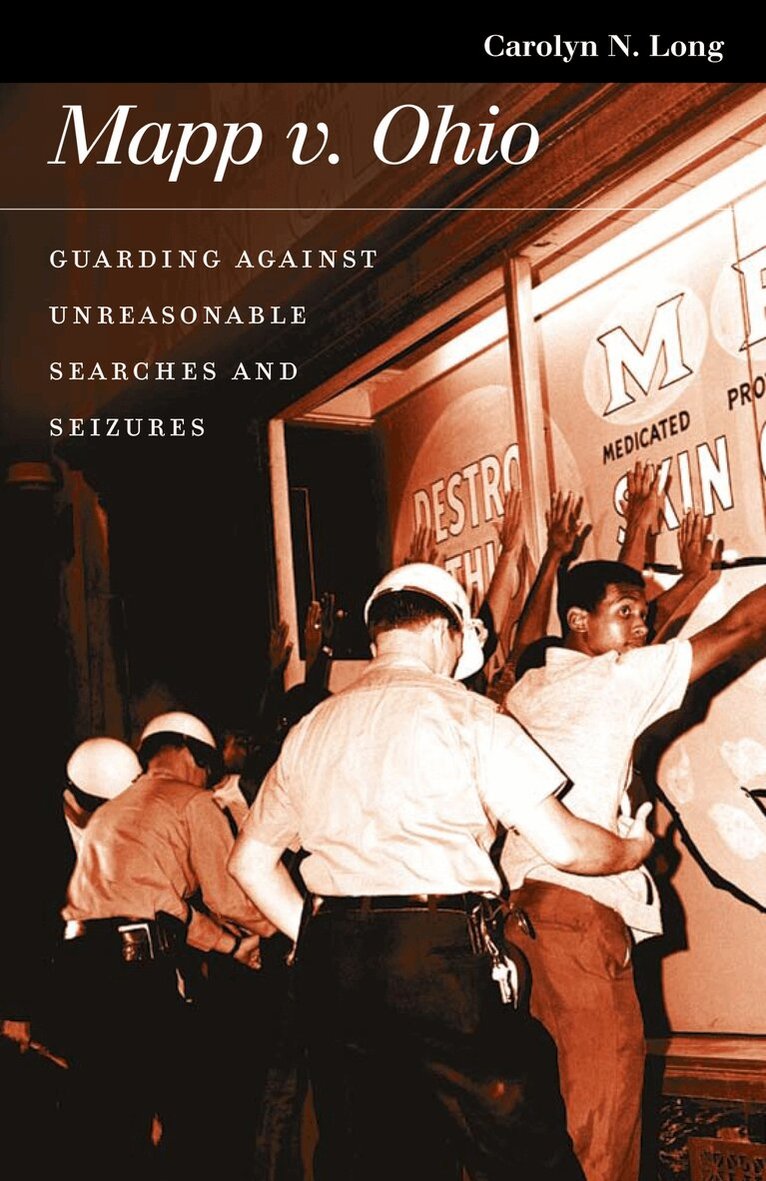
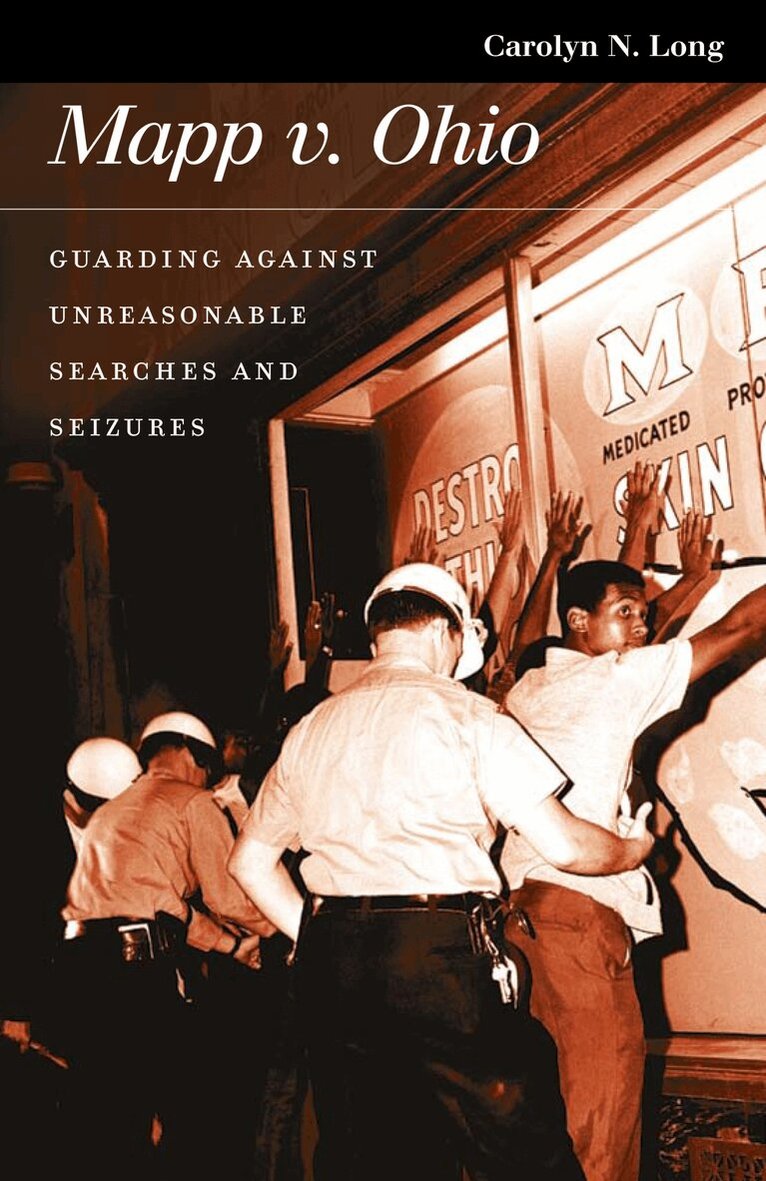
Although she came to be known as merely “that girl with the dirty books,” Dollree Mapp was a poor but proud black woman who defied a predominantly white police force by challenging the legality of its search-and-seizure methods. Her case, which went all the way to the Supreme Court, remains hotly debated and highly controversial today.
In 1957, Cleveland police raided Mapp’s home on a tip—from future fight promoter Don “the Kid” King—that they’d find evidence linked to a recent bombing. What they confiscated instead was sexually explicit material that led to Mapp’s conviction for possessing “lewd and lascivious books”—a conviction that initially pitted Ohio police and judges against Mapp and the American Civil Liberties Union. At stake was not only the search-and-seizure question but also the “exclusionary rule” concerning the use of evidence not specified in a search warrant.
Carolyn Long follows the police raid into Mapp’s home and then chronicles the events that led to the Court’s 5-4 ruling in Mapp v. Ohio (1961), which redefined the rights of the accused and set strict limits on how police could obtain and use evidence. Long traces the case through the legal labyrinth, discusses the controversies it created, and assesses its impact on police behavior, as well as subsequent prosecutions and convictions of the accused. She also analyzes Justice Tom Clark’s creative use of Mapp’s case to overturn Wolf v. Colorado, which had ruled that the Fourth Amendment’s protection against unreasonable searches applied only to federal law, and presents Justice John Harlan’s strong federalist-based dissent.
As entertaining as it is informative, Long’s book features a host of intriguing characters: Mapp, her seasoned and determined attorney, A. L. Kearns, and police sergeant Carl Delau, among others. Combined with her concise and insightful explanations of key legal principles—including the exclusionary rule itself—Long’s deft narrative provides an ideal format for teachers and students in criminology, legal history, constitutional law, and political science, as well as anyone who loves a good story.
The Mapp case is still much debated, especially in light of the recent reauthorization of the U.S. Patriot Act and the free rein given to law enforcement officers in matters of search and seizure. Long’s compelling study thus poses important questions regarding privacy and individual rights that still matter today, even as it also illuminates one of the keystones of the Warren Court’s criminal procedure revolution.
403 kr
Läs direkt efter köp
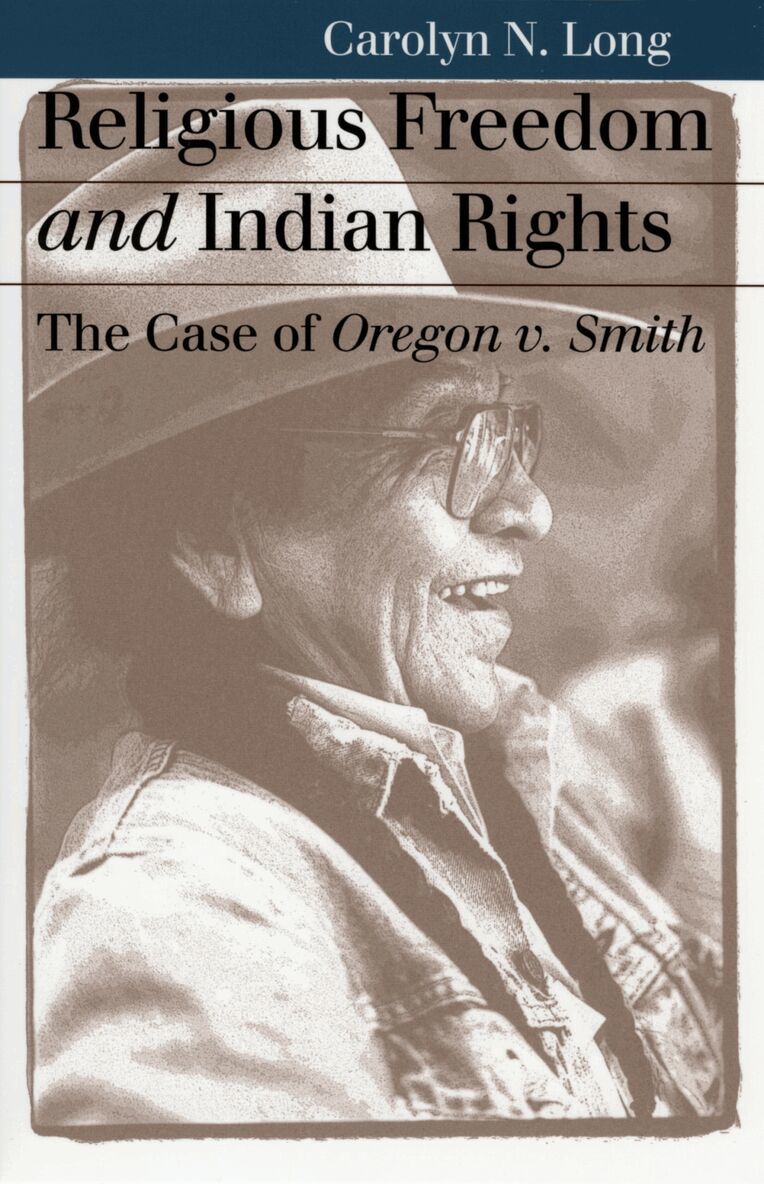
The Supreme Court’s controversial decision in Oregon v. Smith sharply departed from previous expansive readings of the First Amendment’s religious freedom clause and ignited a firestorm of protest from legal scholars, religious groups, legislators, and Native Americans. Carolyn Long provides the first book-length analysis of Smith and shows why it continues to resonate so deeply in the American psyche.
In 1983, Klamath Indian Alfred Smith and his co-worker Galen Black were fired as counselors from a drug rehabilitation agency for using peyote, a controlled substance under Oregon law, in a religious ceremony of the Native American Church. Both were subsequently denied unemployment benefits, which the State of Oregon claimed was permissible under its police powers and necessary in its effort to eradicate drug abuse. But Smith and Black argued that the denial of unemployment benefits constituted an infringement of their religious freedom and took their cases to court.
Long traces the tortuous path that Smith followed as it went from state courts to the Supreme Court and then back again for a second round of hearings. A major event in Native American history, the case attracted widespread support for the Indian cause from a diverse array of religious groups eager to protect their own religious freedom. It also led to an intense tug-of-war between the Court and Congress, which fought back with amendments to the American Indian Religious Freedom Act (to protect the religious use of peyote) and the Religious Freedom Restoration Act of 1993, which protected religious freedom for all Americans. The Court subsequently ruled the latter act unconstitutional in Boerne v. Flores (1997).
Long provides a lucid and balanced view of the competing sides in Smith. Drawing on interviews with Smith and his family, as well as with lawyers, judges, and congressional and interest group representatives involved in this struggle between Congress and Court, she takes the reader from the rituals of a peyote religious ceremony to the halls of government to reveal the conflicting interests that emerged in this key First Amendment case. She also clarifies how the Court reversed longstanding precedent by replacing the balancing test of “compelling state interest” and “least restrictive means” with a new “reasonable basis” argument that theoretically could be used to curtail religious practices well beyond those of the Native American church.
Ultimately, the Supreme Court ruled that the First Amendment protection of religious freedom applies only to laws that specifically target religious behavior and that an individual’s religious beliefs do not excuse one from complying with statutes that indirectly infringe on their religious rights. Engagingly written, Long’s study highlights the resultant struggles, but without ever losing sight of the rich human dimensions of the story.