Carsten Jahnke – författare
Visar alla böcker från författaren Carsten Jahnke. Handla med fri frakt och snabb leverans.
6 produkter
6 produkter
E-bok
Engelska, 2021123 kr
Läs direkt efter köp
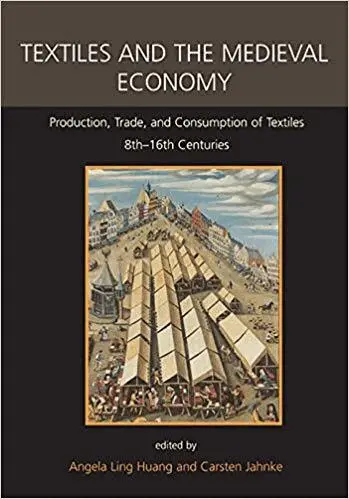
Archaeologists and textile historians bring together 16 papers to investigate the production, trade and consumption of textiles in Scandinavia and across parts of northern and Mediterranean Europe throughout the medieval period. Archaeological evidence is used to demonstrate the existence or otherwise of international trade and to examine the physical characteristics of textiles and their distribution in order to understand who was producing, using and trading them and what they were being used for. Historical evidence, mainly textual, is employed to link textile names to places, numbers and prices and thus provide an appreciation of changing economics, patterns of distribution and the organisation of trade. Different types and qualities of cloths are discussed and the social implications of their production and import/export considered against a developing background of urbanism and increasing commercial wealth.

Del 19206 - Reclam Universal-Bibliothek
Die Hanse
Häftad, Tyska, 2014
100 kr
Skickas inom 3-6 vardagar
79 kr
Läs direkt efter köp
Von der »Freien und Hansestadt« und der Lufthansa bis zu Hansaplast – wenige Erinnerungen aus dem Mittelalter sind uns heute so präsent und zugleich so positiv besetzt wie die an den großen historischen Städtebund in Nordeuropa. Aber während der Name der Hanse friedlichen Handel und Wandel in sonst eher gewaltgeneigten Zeiten aufruft, ist es gar nicht so leicht, kurz und knapp zu sagen, was die Hanse denn nun eigentlich war und wie sie funktionierte. Der Kopenhagener Mediävist Carsten Jahnke schreibt eine neue Geschichte dieser eigentümlichen mittelalterlichen Institution und ihrer immensen wirtschaftsgeschichtlichen Bedeutung.
639 kr
Läs direkt efter köp
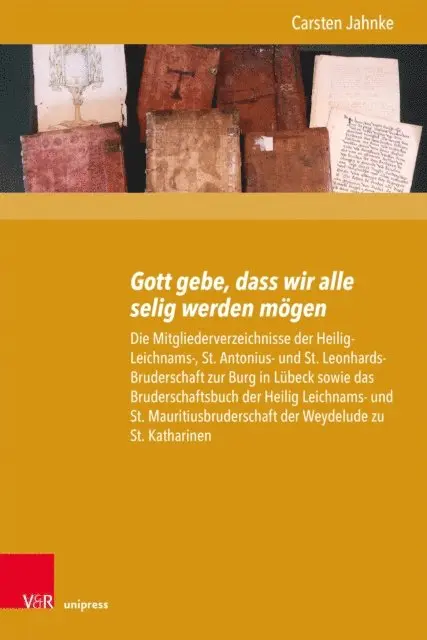
Bruderschaften im Mittelalter waren der Kitt, der die städtische Gesellschaft zusammenhielt. Die vorliegende Edition gibt einen umfassenden Einblick in drei der wichtigsten Bruderschaften der Kaufleuteeliten Lübecks sowie in ein kleinbürgerliches Pendant. Sie zeigt zum einen durch einen nahezu vollständigen Katalog der Bruderschaftsmitglieder die Vernetzung der Kaufleute und Bürger in der Stadt auf, zeugt zum anderen aber auch von der allumfassenden Vorsorge für das eigene Seelenheil einer Stadtgesellschaft im Mittelalter. Durch diese Listen ist es möglich, die Entwicklung städtischer Bruderschaften von ihrer Gründung bis zur Reformation umfassend zu verfolgen.
Del 18 - Brill's Companions to European History
Companion to Medieval Lübeck
Inbunden, Engelska, 2019
2 933 kr
Skickas inom 5-8 vardagar
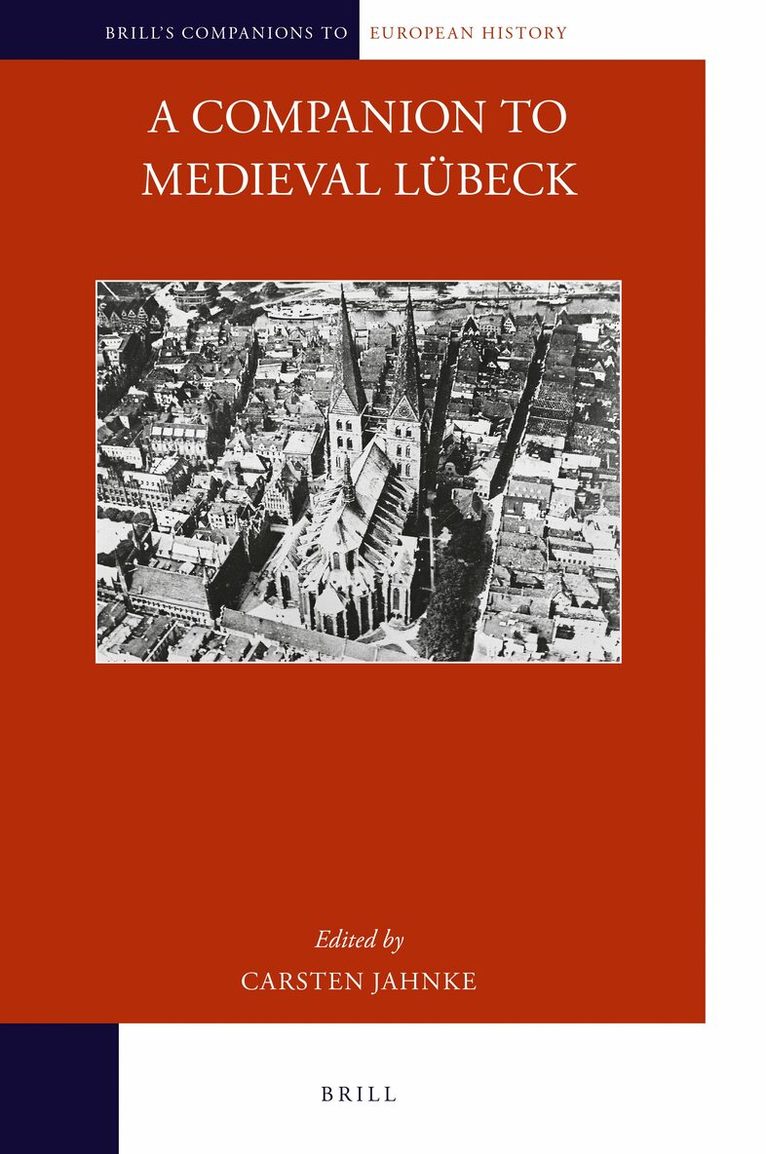
A Companion to Medieval Lübeck offers an introduction to recent scholarship on the vibrant and source-rich medieval history of Lübeck. Focusing mainly on the twelfth to fifteenth centuries, the volume positions the city of Lübeck within the broader history of Northern Germany and the Baltic Sea area. Thematic contributions highlight the archaeological and architectonical development of a northern town, religious developments, buildings and art in a Hanseatic city, and its social institutions. This volume is the first English-language overview of the history of Lübeck and a corrective to the traditional narratives of German historiography. The volume thus offers a fresh perspective on the history of medieval Lübeck—as well as a handy introduction to the riches of the Lübeck archives—to undergraduates, graduate students, and scholars in related fields.Contributors are Manfred Finke, Hartmut Freytag, Antjekathrin Graßmann, Angela Huang, Carsten Jahnke, Ursula Radis, Anja Rasche, Dirk Rieger, Harm von Seggern and Ulf Stammwitz.
Häftad, Engelska, 2019
515 kr
Tillfälligt slut
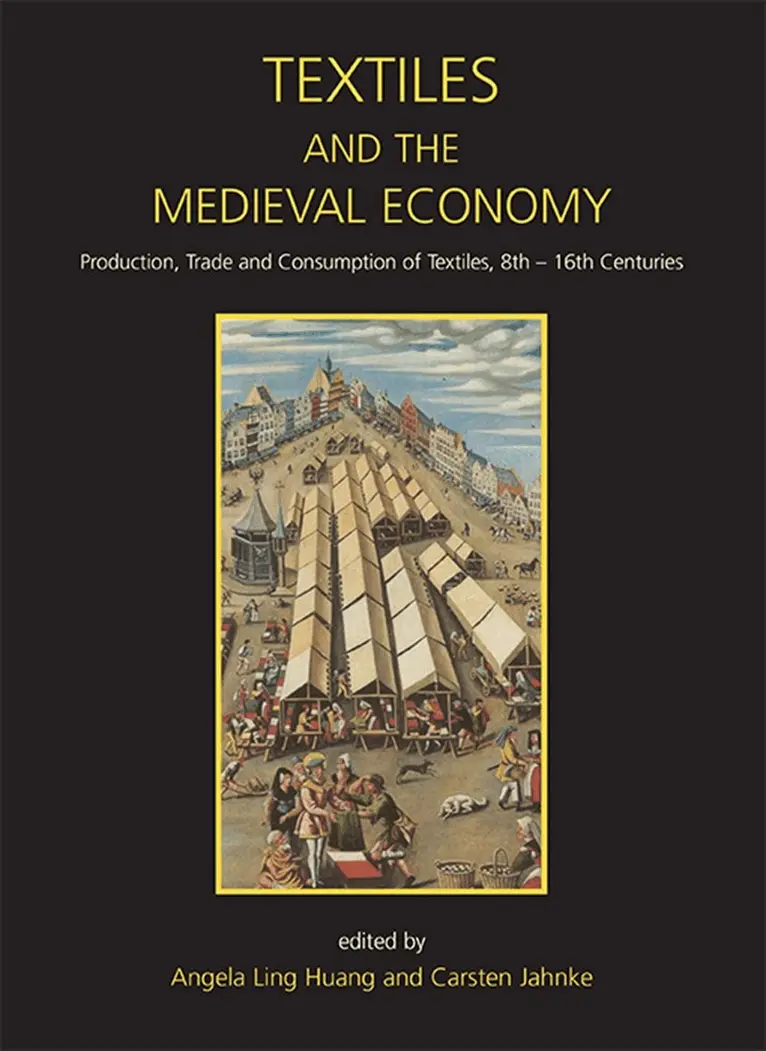
Archaeologists and textile historians bring together 16 papers to investigate the production, trade and consumption of textiles in Scandinavia and across parts of northern and Mediterranean Europe throughout the medieval period. Archaeological evidence is used to demonstrate the existence or otherwise of international trade and to examine the physical characteristics of textiles and their distribution in order to understand who was producing, using and trading them and what they were being used for. Historical evidence, mainly textual, is employed to link textile names to places, numbers and prices and thus provide an appreciation of changing economics, patterns of distribution and the organisation of trade. Different types and qualities of cloths are discussed and the social implications of their production and import/export considered against a developing background of urbanism and increasing commercial wealth.