Catharina Lis – författare
Visar alla böcker från författaren Catharina Lis. Handla med fri frakt och snabb leverans.
8 produkter
Craft Guilds in the Early Modern Low Countries
Work, Power, and Representation
Av Catharina Lis, Hugo Soly m. fl.
Inbunden, 2006
2586 kr
Lägg i varukorg
In the half millennium of their existence, guilds in the Low Countries played a highly significant role in shaping the societies of which they were a part. One key aspect that has been identified in recent historical research to explain the survival of the guilds for such a long time is the guilds' …
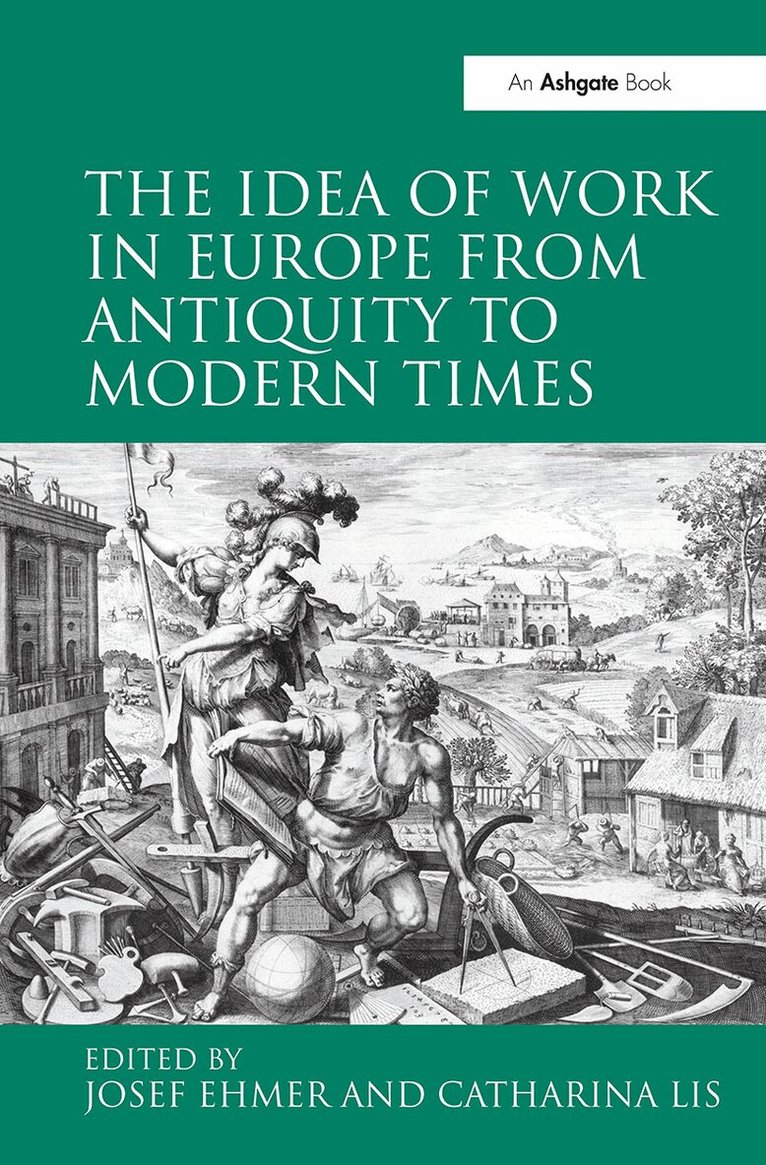
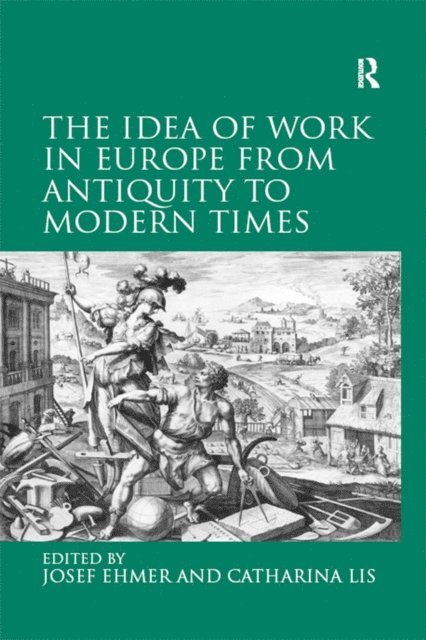
Idea of Work in Europe from Antiquity to Modern Times
Inbunden, 2009
787 kr
Lägg i varukorg
This volume takes a fresh and innovative approach to the history of ideas of work, concerning perceptions, attitudes, cultures and representations of work throughout Antiquity and the medieval and early modern periods. Focusing on developments in Europe, the contributors approach the subject from a …
Craft Guilds in the Early Modern Low Countries
Work, Power, and Representation
Av Catharina Lis, Hugo Soly m. fl.
Häftad, 2019
847 kr
Lägg i varukorg
In the half millennium of their existence, guilds in the Low Countries played a highly significant role in shaping the societies of which they were a part. One key aspect that has been identified in recent historical research to explain the survival of the guilds for such a long time is the guilds' …
Idea of Work in Europe from Antiquity to Modern Times
E-bok, 2016
856 kr
Lägg i varukorg
This volume takes a fresh and innovative approach to the history of ideas of work, concerning perceptions, attitudes, cultures and representations of work throughout Antiquity and the medieval and early modern periods. Focusing on developments in Europe, the contributors approach the subject from a …
Idea of Work in Europe from Antiquity to Modern Times
E-bok, 2016
856 kr
Lägg i varukorg
This volume takes a fresh and innovative approach to the history of ideas of work, concerning perceptions, attitudes, cultures and representations of work throughout Antiquity and the medieval and early modern periods. Focusing on developments in Europe, the contributors approach the subject from a …
Craft Guilds in the Early Modern Low Countries
Work, Power, and Representation
Av Hugo Soly, Catharina Lis m. fl.
E-bok, 2017
866 kr
Lägg i varukorg
In the half millennium of their existence, guilds in the Low Countries played a highly significant role in shaping the societies of which they were a part. One key aspect that has been identified in recent historical research to explain the survival of the guilds for such a long time is the …
Craft Guilds in the Early Modern Low Countries
Work, Power, and Representation
Av Hugo Soly, Catharina Lis m. fl.
E-bok, 2017
866 kr
Lägg i varukorg
In the half millennium of their existence, guilds in the Low Countries played a highly significant role in shaping the societies of which they were a part. One key aspect that has been identified in recent historical research to explain the survival of the guilds for such a long time is the …
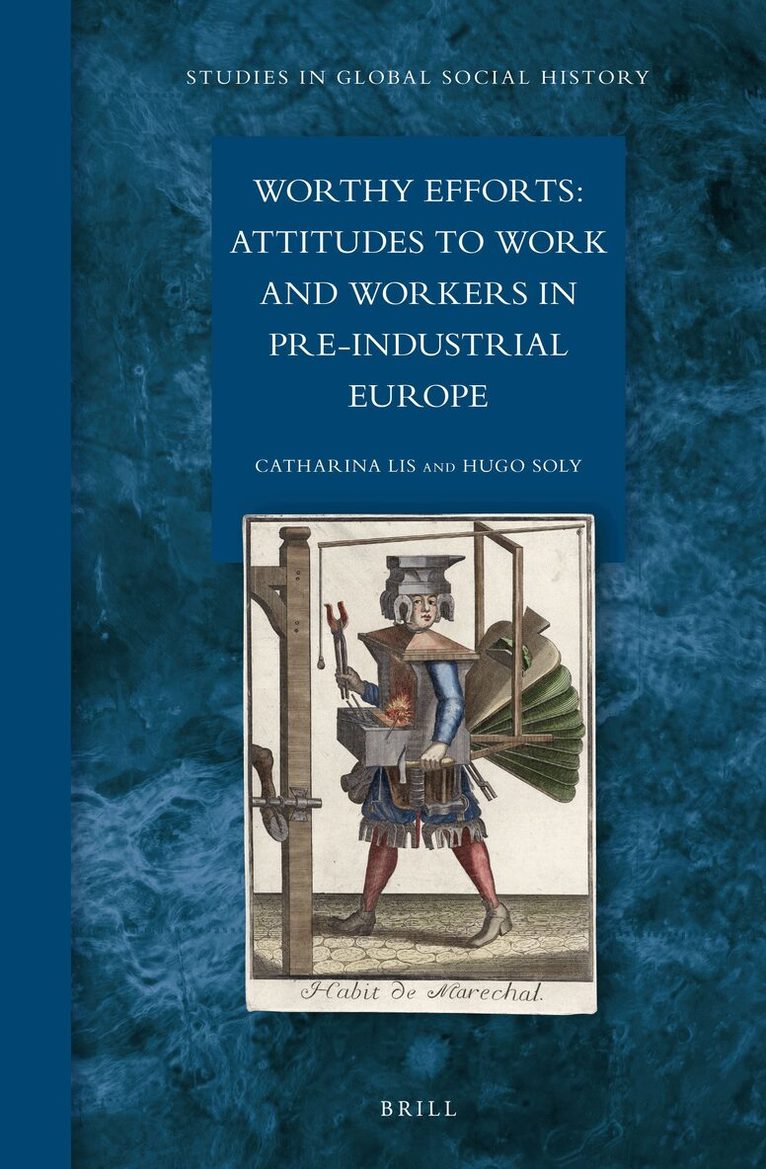
Worthy Efforts: Attitudes to Work and Workers in Pre-Industrial Europe
Inbunden, 2012
3246 kr
Lägg i varukorg
In Worthy Efforts Catharina Lis and Hugo Soly offer an innovative approach to the history of perceptions and representations of work in Europe throughout Classical Antiquity and the medieval and early modern periods. Covering the broadest possible range of historical writings to elucidate the …