Catherine C. So-Kum Tang – författare
Visar alla böcker från författaren Catherine C. So-Kum Tang. Handla med fri frakt och snabb leverans.
3 produkter
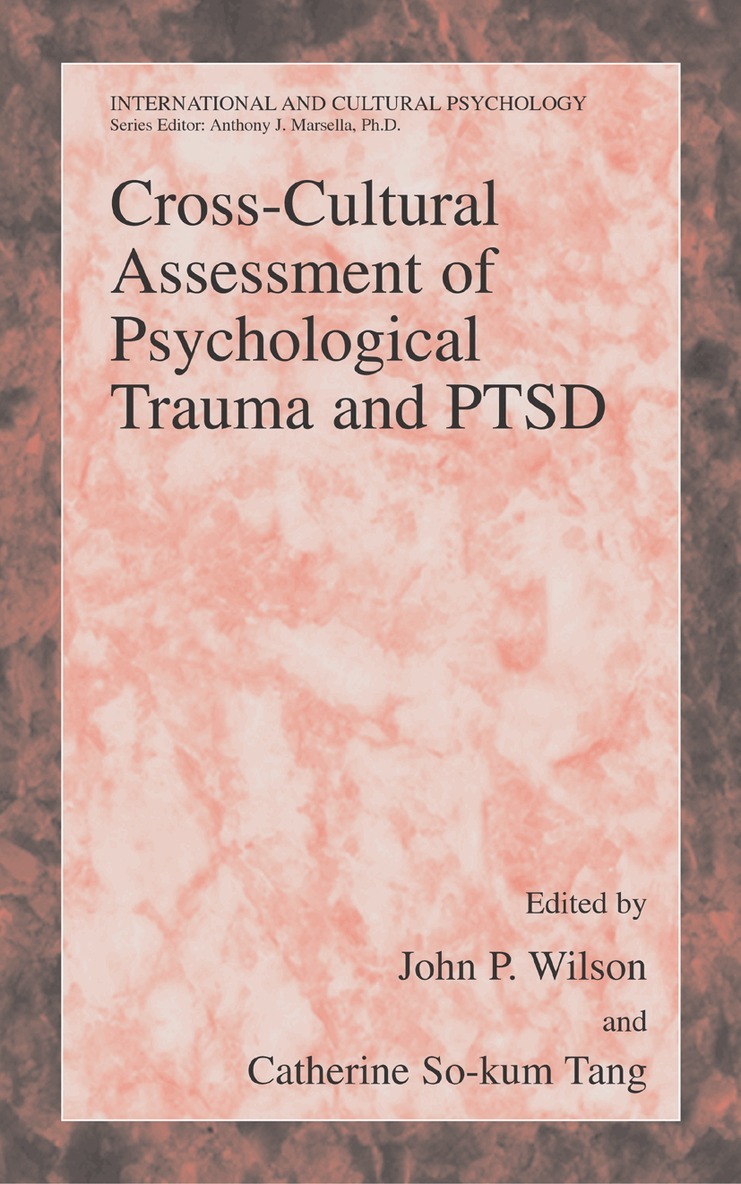
Cross-Cultural Assessment of Psychological Trauma and PTSD
Av John P. Wilson, Catherine C. So-Kum Tang
Inbunden, 2007
1596 kr
Lägg i varukorg
Recent advances in trauma treatment, coupled with ongoing traumatic world events, point to a critical need for global standards in assessment. But despite the best intentions of Western psychology, one model does not fit all cultures. Cross-Cultural Assessment of Psychological Trauma and PTSD …
Cross-Cultural Assessment of Psychological Trauma and PTSD
Av Catherine C. So-Kum Tang, John P. Wilson
E-bok, 2007
1670 kr
Lägg i varukorg
Recent advances in trauma treatment, coupled with ongoing traumatic world events, point to a critical need for global standards in assessment. But despite the best intentions of Western psychology, one model does not fit all cultures. Cross-Cultural Assessment of Psychological Trauma and PTSD …
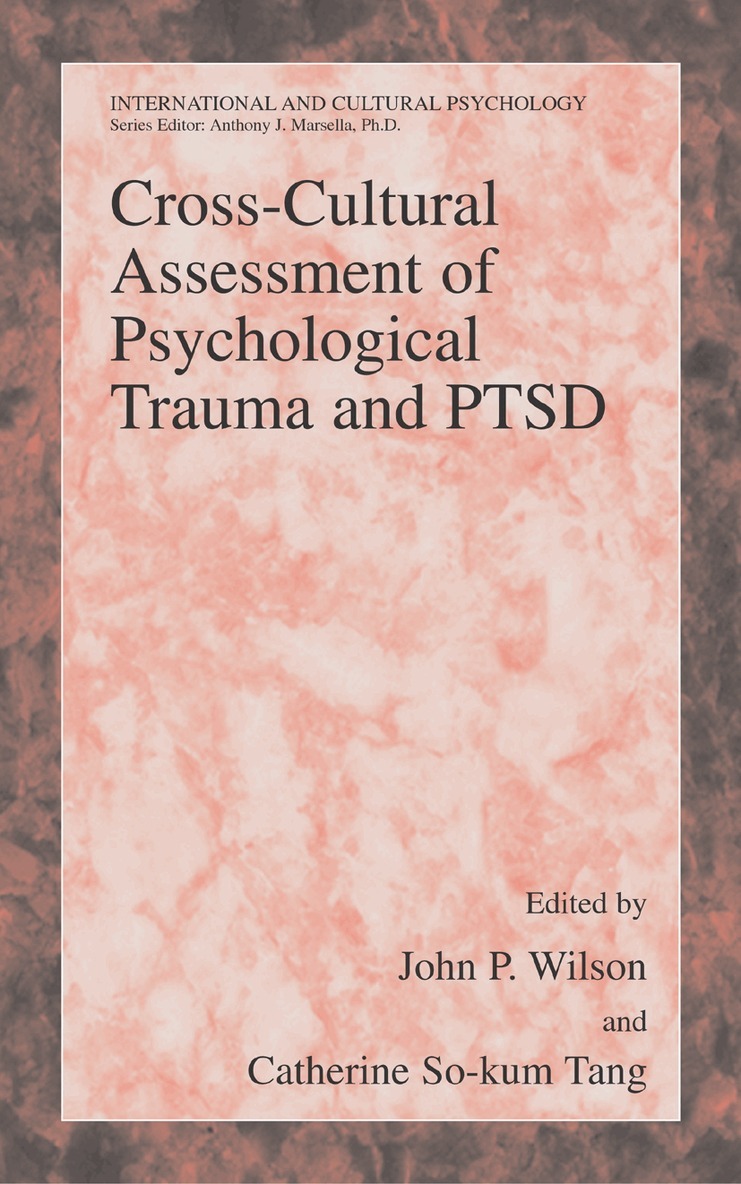
Cross-Cultural Assessment of Psychological Trauma and PTSD
Av John P. Wilson, Catherine C. So-Kum Tang
Häftad, 2010
1242 kr
Lägg i varukorg
Recent advances in trauma treatment, coupled with ongoing traumatic world events, point to a critical need for global standards in assessment. But despite the best intentions of Western psychology, one model does not fit all cultures. Cross-Cultural Assessment of Psychological Trauma and PTSD …