Catherine Cocks – författare
Visar alla böcker från författaren Catherine Cocks. Handla med fri frakt och snabb leverans.
4 produkter
4 produkter
Inbunden, Engelska, 2001
634 kr
Skickas inom 5-8 vardagar
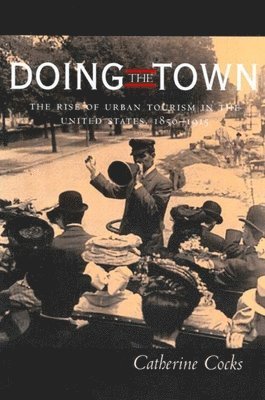
Tourists and travelers in the early nineteenth century saw American cities as ugly spaces, lacking the art and history that attracted thousands to the great cities of Europe. By the turn of the century, however, city touring became popular in the United States, and the era saw the rise of elegant hotels, packaged tours, and train travel to cities for vacations that would entertain and edify. This fascinating cultural history, studded with vivid details bringing the experience of Victorian-era travel alive, explores the beginnings of urban tourism, and sets the phenomenon within a larger cultural transformation that encompassed fundamental changes in urban life and national identity. Focusing mainly on New York, San Francisco, Washington, D.C., and Chicago, Catherine Cocks describes what it was like to ride on Pullman cars, stay in the grand hotels, and take in the sights of the cities. Her evocative narrative draws on innovative readings of sources such as guidebooks, travel accounts, tourist magazines, and the journalism of the era.Exploring the full cultural context in which city touring became popular, Cocks ties together many themes in urban and cultural history for the first time, such as the relationships among class, gender, leisure, and the uses and perceptions of urban space. Offering especially lively reading, Doing the Town provides a memorable journey into the experience of the new urban tourist at the same time as it makes a sophisticated contribution to our understanding of the urban and cultural development of the United States.
E-bok
Engelska, 20092 940 kr
Läs direkt efter köp
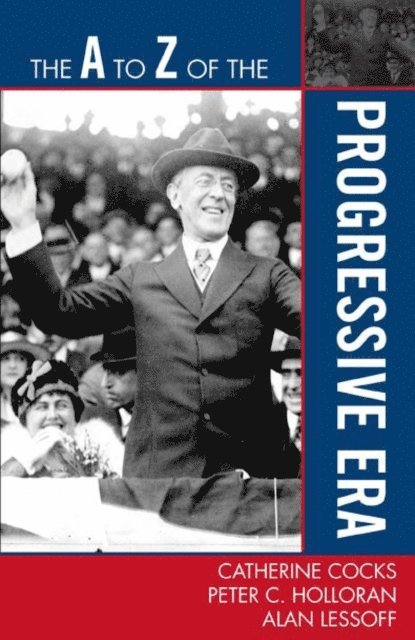
The Progressive Era, the period in the United States between 1898 and 1917, was a time of great social, political, and industrial change. Following the Spanish-American War of 1898, an event that signaled the emergence of the United States as a great power, the country soon was involved in its first overseas guerrilla war, in the Philippines. Vast changes in communications and transportation, immigration and migration patterns, social mores, gender roles, family structure, class structure, work patterns, business methods, education, intellectual life, religion, the professions, technology, science, medicine, and much else were transforming the scope and feel of people''s lives and relationships. In many ways what happened in this era set the agenda for the rest of the 20th century.The Historical Dictionary of the Progressive Era is the most comprehensive and coherent reference work on the Progressive Era. Through its chronology, introductory essay, bibliography, appendixes, and hundreds of cross-referenced dictionary entries on the key events, people, organizations, and ideas of the period, this resource is a lively, complete, and accessible overview of this significant era.
E-bok
Engelska, 2009663 kr
Läs direkt efter köp
The Progressive Era, the period in the United States between 1898 and 1917, was a time of great social, political, and industrial change. Following the Spanish-American War of 1898, an event that signaled the emergence of the United States as a great power, the country soon was involved in its first overseas guerrilla war, in the Philippines. Vast changes in communications and transportation, immigration and migration patterns, social mores, gender roles, family structure, class structure, work patterns, business methods, education, intellectual life, religion, the professions, technology, science, medicine, and much else were transforming the scope and feel of people''s lives and relationships. In many ways what happened in this era set the agenda for the rest of the 20th century.The A to Z of the Progressive Era is the most comprehensive and coherent reference work on the Progressive Era. Through its chronology, introductory essay, bibliography, appendixes, and hundreds of cross-referenced dictionary entries on the key events, people, organizations, and ideas of the period, this resource is a lively, complete, and accessible overview of this significant era.
E-bok
Engelska, 20131 258 kr
Läs direkt efter köp
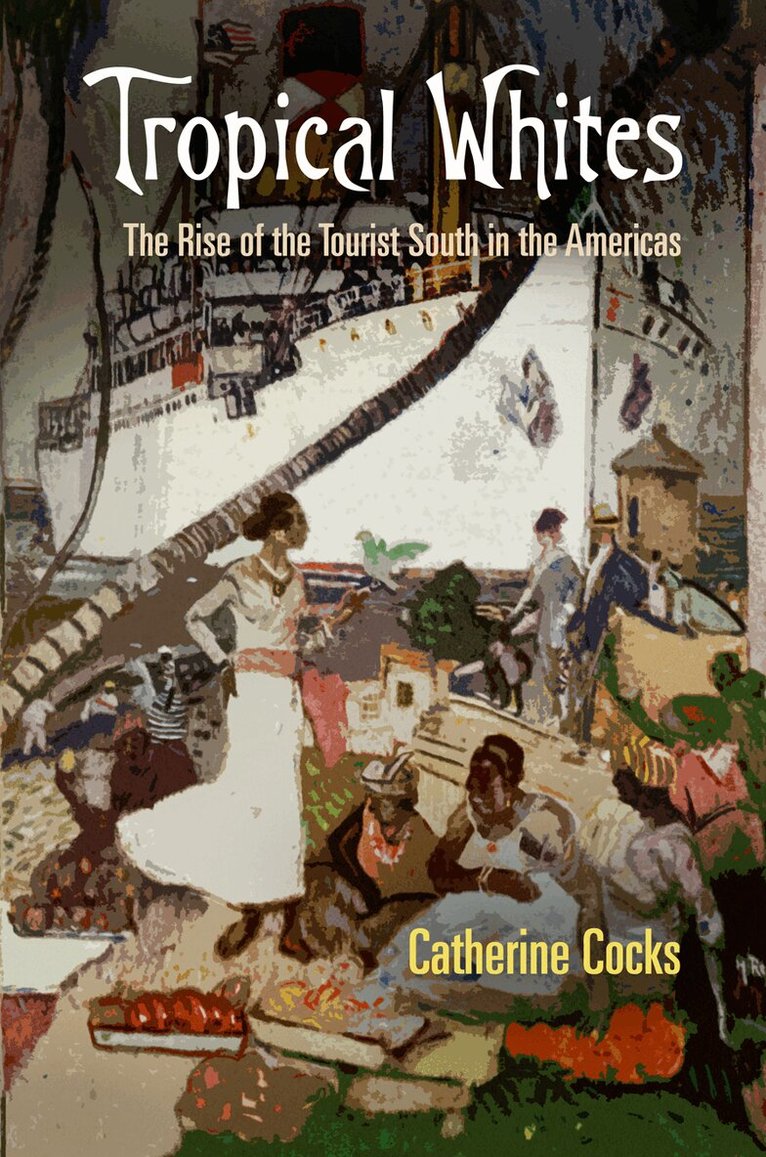
As late as 1900, most whites regarded the tropics as "the white man's grave," a realm of steamy fertility, moral dissolution, and disease. So how did the tropical beach resort-white sand, blue waters, and towering palms-become the iconic vacation landscape? Tropical Whites explores the dramatic shift in attitudes toward and popularization of the tropical tourist "Southland" in the Americas: Florida, Southern California, Mexico, and the Caribbean. Drawing on a wide range of sources, Catherine Cocks examines the history and development of tropical tourism from the late nineteenth century through the early 1940s, when the tropics constituted ideal winter resorts for vacationers from the temperate zones. Combining history, geography, and anthropology, this provocative book explains not only the transformation of widely held ideas about the relationship between the environment and human bodies but also how this shift in thinking underscored emerging concepts of modern identity and popular attitudes toward race, sexuality, nature, and their interconnections.Cocks argues that tourism, far from simply perverting pristine local cultures and selling superficial misunderstandings of them, served as one of the central means of popularizing the anthropological understanding of culture, new at the time. Together with the rise of germ theory, the emergence of the tropical horticulture industry, changes in passport laws, travel writing, and the circulation of promotional materials, national governments and the tourist industry changed public perception of the tropics from a region of decay and degradation, filled with dangerous health risks, to one where the modern traveler could encounter exotic cultures and a rejuvenating environment.