Catherine D'Ignazio - Böcker
Visar alla böcker från författaren Catherine D'Ignazio. Handla med fri frakt och snabb leverans.
2 produkter
2 produkter
277 kr
Skickas
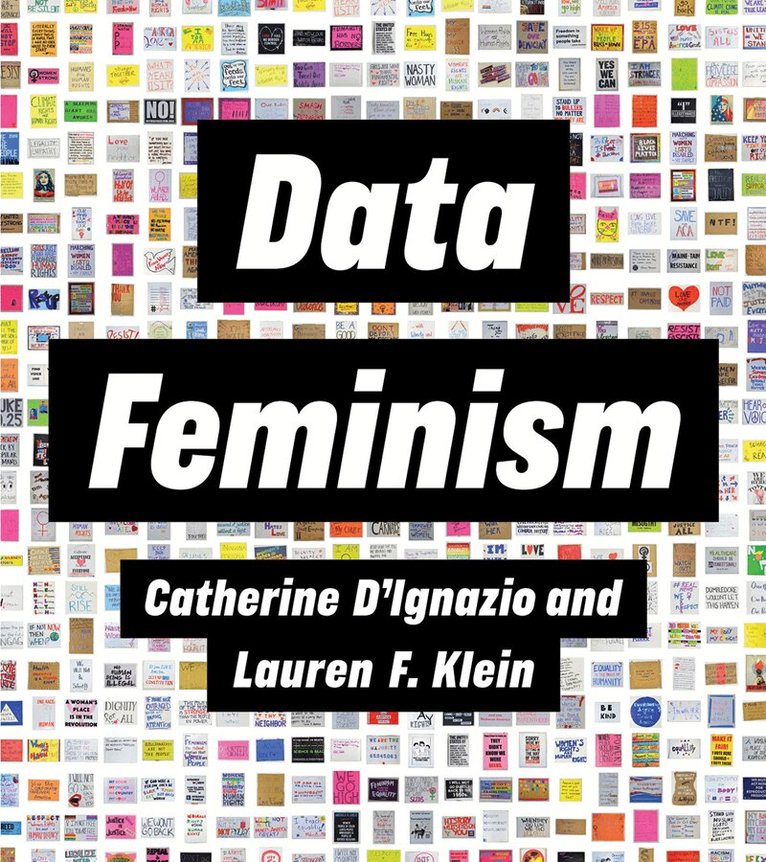
Cutting edge strategies for thinking about data science and data ethics through an intersectional feminist lens.“Without ever finger-wagging, Data Feminism reveals inequities and offers a way out of a broken system in which the numbers are allowed to lie.”—WIREDToday, data science is a form of power. It has been used to expose injustice, improve health outcomes, and topple governments. But it has also been used to discriminate, police, and surveil. This potential for good, on the one hand, and harm, on the other, makes it essential to ask: Data science by whom? Data science for whom? Data science with whose interests in mind? The narratives around big data and data science are overwhelmingly white, male, and techno-heroic. In Data Feminism, Catherine D'Ignazio and Lauren Klein present a new way of thinking about data science and data ethics—one that is informed by intersectional feminist thought. Illustrating data feminism in action, D'Ignazio and Klein show how challenges to the male/female binary can help challenge other hierarchical (and empirically wrong) classification systems. They explain how, for example, an understanding of emotion can expand our ideas about effective data visualization, and how the concept of invisible labor can expose the significant human efforts required by our automated systems. And they show why the data never, ever “speak for themselves.”Data Feminism offers strategies for data scientists seeking to learn how feminism can help them work toward justice, and for feminists who want to focus their efforts on the growing field of data science. But Data Feminism is about much more than gender. It is about power, about who has it and who doesn't, and about how those differentials of power can be challenged and changed.
309 kr
Skickas
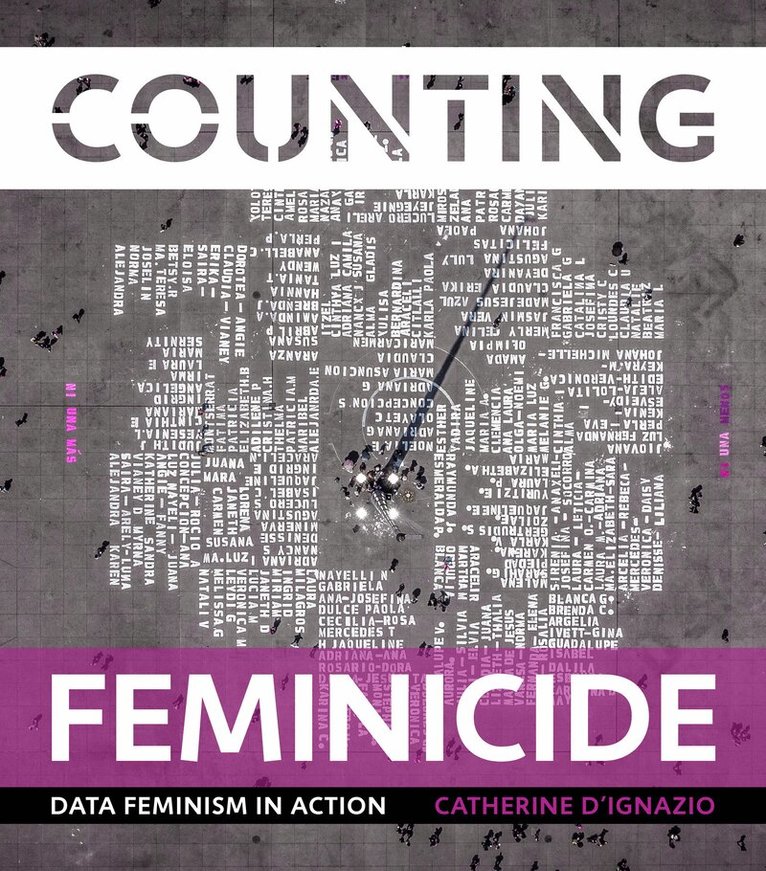
Why grassroots data activists in Latin America count feminicide—and how this vital social justice work challenges mainstream data science.What isn’t counted doesn’t count. And mainstream institutions systematically fail to account for feminicide, the gender-related killing of women and girls, including cisgender and transgender women. Against this failure, Counting Feminicide brings to the fore the work of data activists across the Americas who are documenting such murders—and challenging the reigning logic of data science by centering care, memory, and justice in their work. Drawing on Data Against Feminicide, a large-scale collaborative research project, Catherine D’Ignazio describes the creative, intellectual, and emotional labor of feminicide data activists who are at the forefront of a data ethics that rigorously and consistently takes power and people into account.Individuals, researchers, and journalists—these data activists scour news sources to assemble spreadsheets and databases of women killed by gender-related violence, then circulate those data in a variety of creative and political forms. Their work reveals the potential of restorative/transformative data science—the use of systematic information to, first, heal communities from the violence and trauma produced by structural inequality and, second, envision and work toward the world in which such violence has been eliminated. Specifically, D’Ignazio explores the possibilities and limitations of counting and quantification—reducing complex social phenomena to convenient, sortable, aggregable forms—when the goal is nothing short of the elimination of gender-related violence.Counting Feminicide showcases the incredible power of data feminism in practice, in which each murdered woman or girl counts, and, in being counted, joins a collective demand for the restoration of rights and a transformation of the gendered order of the world.