Catherine Keyser - Böcker
Visar alla böcker från författaren Catherine Keyser. Handla med fri frakt och snabb leverans.
4 produkter
4 produkter
1 079 kr
Skickas inom 5-8 vardagar
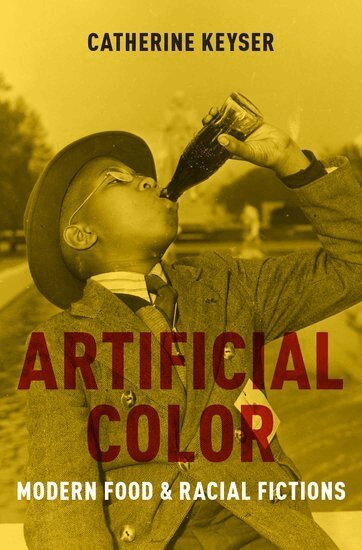
In Artificial Color, Catherine Keyser examines the early twentieth century phenomenon, wherein US writers became fascinated with modern food--global geographies, nutritional theories, and technological innovations. African American literature of the 1920s and 1930s uses new food technologies as imaginative models for resisting and recasting oppressive racial categories. In his masterwork Cane (1923), Jean Toomer follows sugar from the boiling-pots of the South to the speakeasies of the North. Through effervescent and colorful soda, he rejects the binary of black and white in favor of a dream of artificial color and a new American race. In his serial science fiction, Black Empire (1938-39), George Schuyler associates hydroponics and raw foods with racial hybridity and utopian futures. The second half of the book focuses on white expatriate writers who experienced local food cultures as sensuous encounters with racial others. Ernest Hemingway and Gertrude Stein associate regional European races with the ideal of terroir and aspire to transplantation through their own connoisseurship. In their novels set in the Mediterranean, F. Scott and Zelda Fitzgerald both dramatize the white body's susceptibility to intoxicating and stimulating substances like wine and coffee. For Scott Fitzgerald, the climatological and culinary corruption of the South produces the tragic fall of white masculinity. For Zelda, by contrast, it exposes the destructiveness and fictitiousness of the white feminine purity ideal. During the Great Depression and the Second World War, African American writers Zora Neale Hurston and Dorothy West exposed the racism that shaped the global food industry and the precarity of black labor. Their engagement with food, however, insisted upon pleasure as well as vulnerability, the potential of sensuous flesh and racial affiliation. In its embrace of invention and interconnection, Catherine Keyser contends, this modern fiction reveals that, far from being stable, whiteness may be the most obviously artificial color of them all.
367 kr
Skickas inom 5-8 vardagar
In Artificial Color, Catherine Keyser examines the early twentieth century phenomenon, wherein US writers became fascinated with modern food--global geographies, nutritional theories, and technological innovations. African American literature of the 1920s and 1930s uses new food technologies as imaginative models for resisting and recasting oppressive racial categories. In his masterwork Cane (1923), Jean Toomer follows sugar from the boiling-pots of the South to the speakeasies of the North. Through effervescent and colorful soda, he rejects the binary of black and white in favor of a dream of artificial color and a new American race. In his serial science fiction, Black Empire (1938-39), George Schuyler associates hydroponics and raw foods with racial hybridity and utopian futures. The second half of the book focuses on white expatriate writers who experienced local food cultures as sensuous encounters with racial others. Ernest Hemingway and Gertrude Stein associate regional European races with the ideal of terroir and aspire to transplantation through their own connoisseurship. In their novels set in the Mediterranean, F. Scott and Zelda Fitzgerald both dramatize the white body's susceptibility to intoxicating and stimulating substances like wine and coffee. For Scott Fitzgerald, the climatological and culinary corruption of the South produces the tragic fall of white masculinity. For Zelda, by contrast, it exposes the destructiveness and fictitiousness of the white feminine purity ideal. During the Great Depression and the Second World War, African American writers Zora Neale Hurston and Dorothy West exposed the racism that shaped the global food industry and the precarity of black labor. Their engagement with food, however, insisted upon pleasure as well as vulnerability, the potential of sensuous flesh and racial affiliation. In its embrace of invention and interconnection, Catherine Keyser contends, this modern fiction reveals that, far from being stable, whiteness may be the most obviously artificial color of them all.
717 kr
Skickas inom 5-8 vardagar
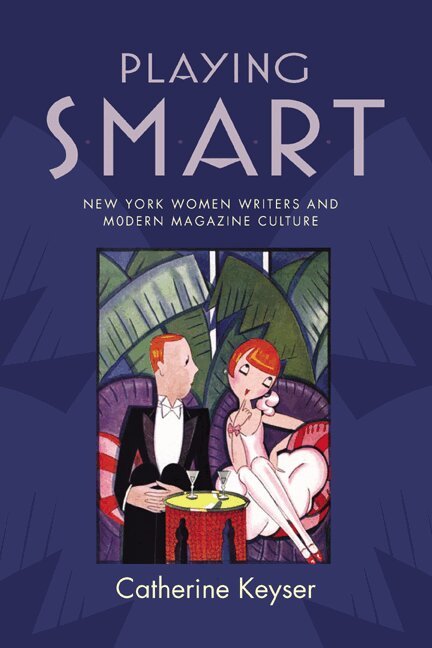
Smart women, sophisticated ladies, savvy writers . . . Edna St. Vincent Millay, Dorothy Parker, Anita Loos, Lois Long, Jessie Fauset, Dawn Powell, Mary McCarthy, and others imagined New York as a place where they could claim professional status, define urban independence, and shrug off confining feminine roles. It might be said that during the 1920s and 1930s these literary artists painted the town red on the pages of magazines like Vanity Fair and the New Yorker. Playing Smart, Catherine Keyser's homage to their literary genius, is a captivating celebration of their causes and careers.Through humor writing, this "smart set" expressed both sides of the story-promoting their urbanity and wit while using irony and caricature to challenge feminine stereotypes. Their fiction raised questions about what it meant to be a woman in the public eye, how gender roles would change because men and women were working together, and how the growth of the magazine industry would affect women's relationships to their bodies and minds. Keyser provides a refreshing and informative chronicle, saluting the value of being "smart" as incisive and innovative humor showed off the wit and talent of women writers and satirized the fantasy world created by magazines.
418 kr
Skickas inom 5-8 vardagar
Smart women, sophisticated ladies, savvy writers . . . Edna St. Vincent Millay, Dorothy Parker, Anita Loos, Lois Long, Jessie Fauset, Dawn Powell, Mary McCarthy, and others imagined New York as a place where they could claim professional status, define urban independence, and shrug off confining feminine roles. It might be said that during the 1920s and 1930s these literary artists painted the town red on the pages of magazines like Vanity Fair and the New Yorker. Playing Smart, Catherine Keyser's homage to their literary genius, is a captivating celebration of their causes and careers.Through humor writing, this "smart set" expressed both sides of the story-promoting their urbanity and wit while using irony and caricature to challenge feminine stereotypes. Their fiction raised questions about what it meant to be a woman in the public eye, how gender roles would change because men and women were working together, and how the growth of the magazine industry would affect women's relationships to their bodies and minds. Keyser provides a refreshing and informative chronicle, saluting the value of being "smart" as incisive and innovative humor showed off the wit and talent of women writers and satirized the fantasy world created by magazines.