Cathryn van Kessel - Böcker
Visar alla böcker från författaren Cathryn van Kessel. Handla med fri frakt och snabb leverans.
7 produkter
7 produkter
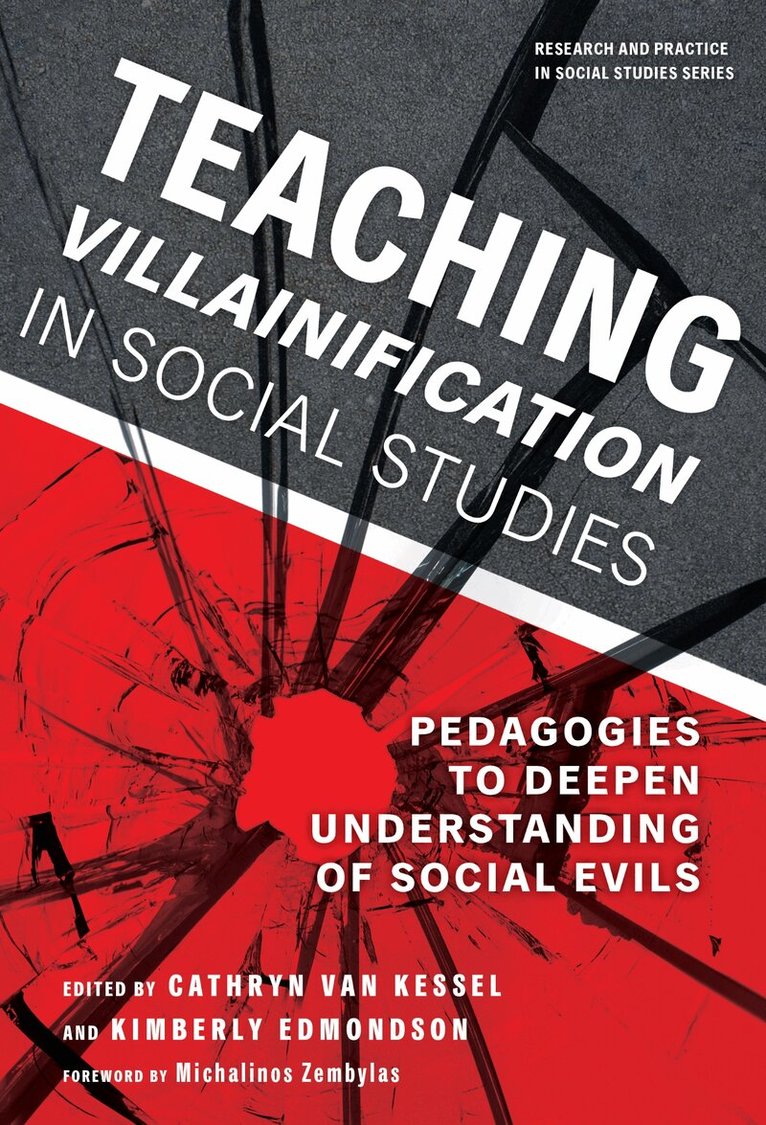
Teaching Villainification in Social Studies
Pedagogies to Deepen Understanding of Social Evils
Häftad, Engelska, 2024
516 kr
Skickas inom 7-10 vardagar
In this collection, scholars from the United States, Canada, and Australia examine the concepts of villainification and anti-villainification in social studies curriculum, popular culture, as well as within sociocultural contexts and their implications. Villainification is the process of identifying an individual or a small group of individuals as the sole source of a larger evil. Anti-villainification considers the messy space in between individual and group culpability in order to help students develop a sense of responsibility to each other as humans in communities on this planet. Chapter authors examine topics related to U.S. politics, financial education, Holocaust education, difficult histories, apocalypse fiction, the Marvel Cinematic Universe, technology use, LGBTQ school experiences, rape culture, geographies of invasion, and the female body. Taken together, these inquiries into villainification offer thoughtful and powerful insights for teaching about historical wrongdoing in more nuanced ways, addressing the responsibility we all have to create a better world.Book Features:Pushes the field of social studies to develop a more nuanced understanding of the villains of the past and present.Invites educators to become more thoughtful about not only curriculum but also the world around us.Helps readers to more deeply understand how easily forms of banal evil can touch our lives within and beyond the classroom, and what we might do about it.Examines how systemic forces can influence "average" individuals to cause or contribute to great societal harm.Includes teacher-friendly engagements with theory, using examples from middle and high school classrooms.Offers a wide range of contexts related to social studies education, including civics, economics, geography, and history.
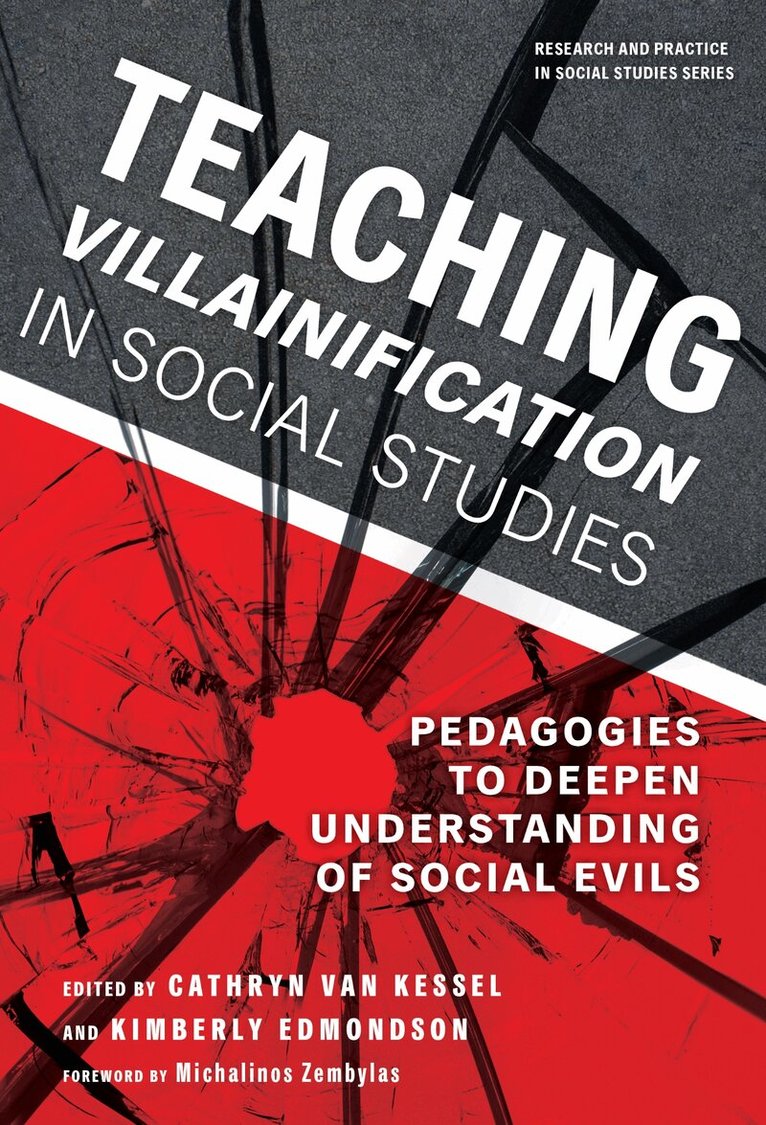
Teaching Villainification in Social Studies
Pedagogies to Deepen Understanding of Social Evils
Inbunden, Engelska, 2024
1 534 kr
Skickas inom 7-10 vardagar
In this collection, scholars from the United States, Canada, and Australia examine the concepts of villainification and anti-villainification in social studies curriculum, popular culture, as well as within sociocultural contexts and their implications. Villainification is the process of identifying an individual or a small group of individuals as the sole source of a larger evil. Anti-villainification considers the messy space in between individual and group culpability in order to help students develop a sense of responsibility to each other as humans in communities on this planet. Chapter authors examine topics related to U.S. politics, financial education, Holocaust education, difficult histories, apocalypse fiction, the Marvel Cinematic Universe, technology use, LGBTQ school experiences, rape culture, geographies of invasion, and the female body. Taken together, these inquiries into villainification offer thoughtful and powerful insights for teaching about historical wrongdoing in more nuanced ways, addressing the responsibility we all have to create a better world.Book Features:Pushes the field of social studies to develop a more nuanced understanding of the villains of the past and present.Invites educators to become more thoughtful about not only curriculum but also the world around us.Helps readers to more deeply understand how easily forms of banal evil can touch our lives within and beyond the classroom, and what we might do about it.Examines how systemic forces can influence "average" individuals to cause or contribute to great societal harm.Includes teacher-friendly engagements with theory, using examples from middle and high school classrooms.Offers a wide range of contexts related to social studies education, including civics, economics, geography, and history.
1 460 kr
Kommande
How can social studies educators teach the ideals of democracy when its real-world practice is so deeply challenged? This volume provides a frank, research-based appraisal of how to navigate K–12 curriculum while examining the political and social conditions that cause democratic education to falter. Leading scholars in the field of social studies and civic education move beyond the "paper democracy" of standard textbooks to address modern issues like disinformation, authority, and digital discourse. Educators will find practical, proactive, and reactive strategies to help students develop the habits and skills necessary to resist authoritarianism and defend democratic norms. This volume offers a holistic approach to civic education with teacher resources for a fractious age. This is an essential guide for those ready to embrace the brave work of instilling democratic values in the "now." Key Features: Strategies for Combatting Disinformation: Offers actionable advice for playing defense against harmful misinformation and community suspicion. Real-World Governance: Compares textbook ideals with the undemocratic practices of the real world, such as persistent educational inequalities and the influence of billionaires. Discussion-Ready Content: Features tailored prompts for individual reflection, social studies methods courses, or professional development. Justice-Centered Pedagogy: Grounds democratic efforts in correcting flawed assumptions and prioritizing justice for those at the margins. Holistic Learning: Bridges the gap between political education and often messy political realities.
501 kr
Kommande
How can social studies educators teach the ideals of democracy when its real-world practice is so deeply challenged? This volume provides a frank, research-based appraisal of how to navigate K–12 curriculum while examining the political and social conditions that cause democratic education to falter.Leading scholars in the field of social studies and civic education move beyond the "paper democracy" of standard textbooks to address modern issues like disinformation, authority, and digital discourse. Educators will find practical, proactive, and reactive strategies to help students develop the habits and skills necessary to resist authoritarianism and defend democratic norms.This volume offers a holistic approach to civic education with teacher resources for a fractious age. This is an essential guide for those ready to embrace the brave work of instilling democratic values in the "now."Key Features:Strategies for Combatting Disinformation: Offers actionable advice for playing defense against harmful misinformation and community suspicion.Real-World Governance: Compares textbook ideals with the undemocratic practices of the real world, such as persistent educational inequalities and the influence of billionaires.Discussion-Ready Content: Features tailored prompts for individual reflection, social studies methods courses, or professional development.Justice-Centered Pedagogy: Grounds democratic efforts in correcting flawed assumptions and prioritizing justice for those at the margins.Holistic Learning: Bridges the gap between political education and often messy political realities.
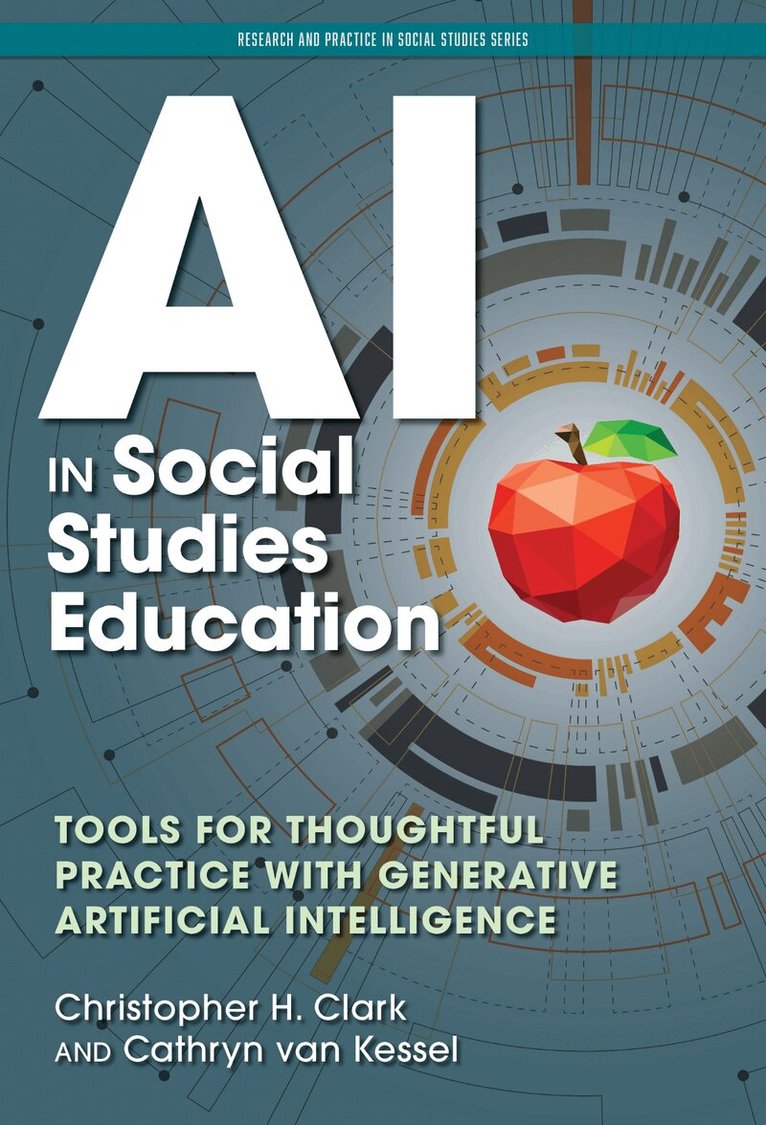
AI in Social Studies Education
Tools for Thoughtful Practice with Generative Artificial Intelligence
Häftad, Engelska, 2025
401 kr
Skickas inom 7-10 vardagar
Whether skeptical or enthusiastic about AI, every social studies educator will find something useful for their practice in this book.The introduction of widely available generative AI tools has caused a frenzy of both positive and negative reactions. Between utopian visions and apocalyptic predictions of AI's impact on education, there is a need to thoughtfully consider what education in the age of AI can and should look like. This volume focuses on the implications of AI technology for teachers in K– 2 and university settings, providing a careful look at its affordances and drawbacks for social studies curriculum and teaching. Scholars specializing in the field of social studies education provide information and practical ideas for teaching with current technology, alongside frameworks for thinking about future iterations of AI. This book fills a critical need, especially among educators, to consider the current and potential future impacts of AI while avoiding the traps of alarmism or techno-utopianism. Book Features: First-ever compilation of AI considerations and strategies in the context of social studies education.Nontechnical explanations of what AI can do (and not do) in practical educational contexts to enable educators to approach its use with careful judgment.Advice for educators to help them assess future iterations of AI technology.Critical considerations of AI across multiple contexts (e.g., ethics, equity, multilingual learners, cybersecurity).Work from leaders in technology and social studies education across Canada and the United States.
AI in Social Studies Education
Tools for Thoughtful Practice with Generative Artificial Intelligence
Inbunden, Engelska, 2025
1 165 kr
Skickas inom 7-10 vardagar
Whether skeptical or enthusiastic about AI, every social studies educator will find something useful for their practice in this book.The introduction of widely available generative AI tools has caused a frenzy of both positive and negative reactions. Between utopian visions and apocalyptic predictions of AI's impact on education, there is a need to thoughtfully consider what education in the age of AI can and should look like. This volume focuses on the implications of AI technology for teachers in K– 2 and university settings, providing a careful look at its affordances and drawbacks for social studies curriculum and teaching. Scholars specializing in the field of social studies education provide information and practical ideas for teaching with current technology, alongside frameworks for thinking about future iterations of AI. This book fills a critical need, especially among educators, to consider the current and potential future impacts of AI while avoiding the traps of alarmism or techno-utopianism. Book Features: First-ever compilation of AI considerations and strategies in the context of social studies education.Nontechnical explanations of what AI can do (and not do) in practical educational contexts to enable educators to approach its use with careful judgment.Advice for educators to help them assess future iterations of AI technology.Critical considerations of AI across multiple contexts (e.g., ethics, equity, multilingual learners, cybersecurity).Work from leaders in technology and social studies education across Canada and the United States.
775 kr
Skickas inom 10-15 vardagar
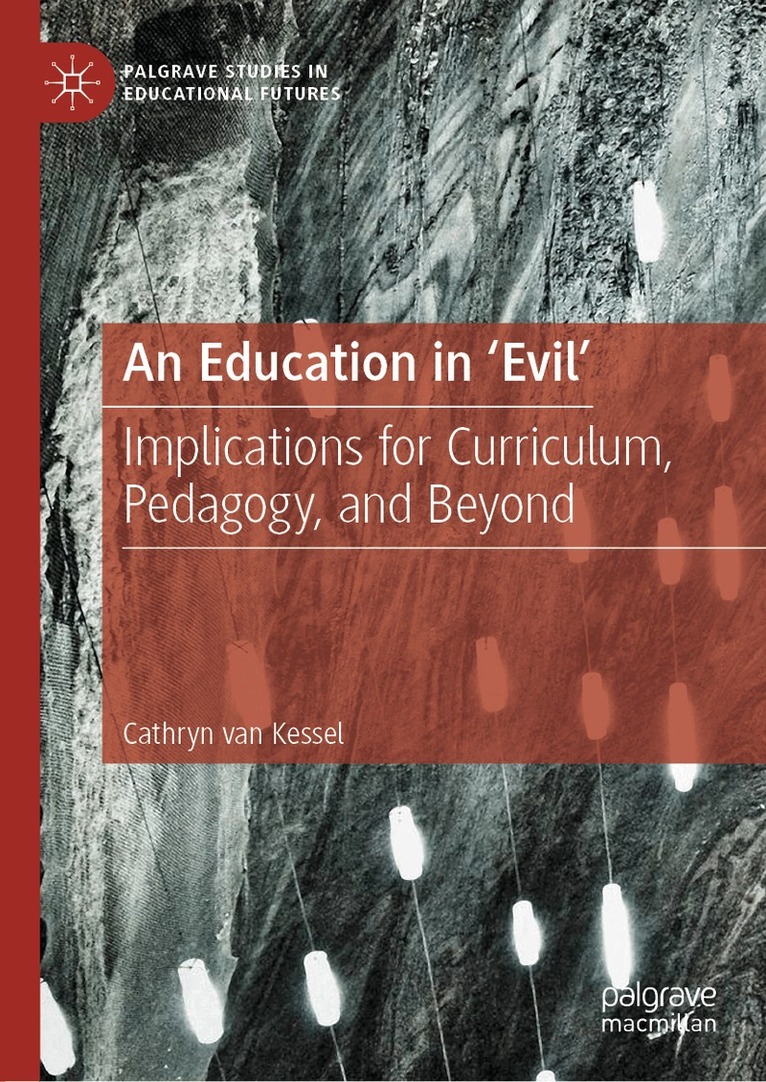
This book asserts that engaging with divergent understandings about the nature of evil and how it functions can help those interested in education think through issues in curriculum, pedagogy, and beyond.