Cathy Buntting – författare
666 kr
Skickas inom 10-15 vardagar
2 136 kr
Skickas inom 10-15 vardagar
546 kr
Skickas inom 10-15 vardagar
1 084 kr
Skickas inom 10-15 vardagar
1 377 kr
Läs direkt efter köp
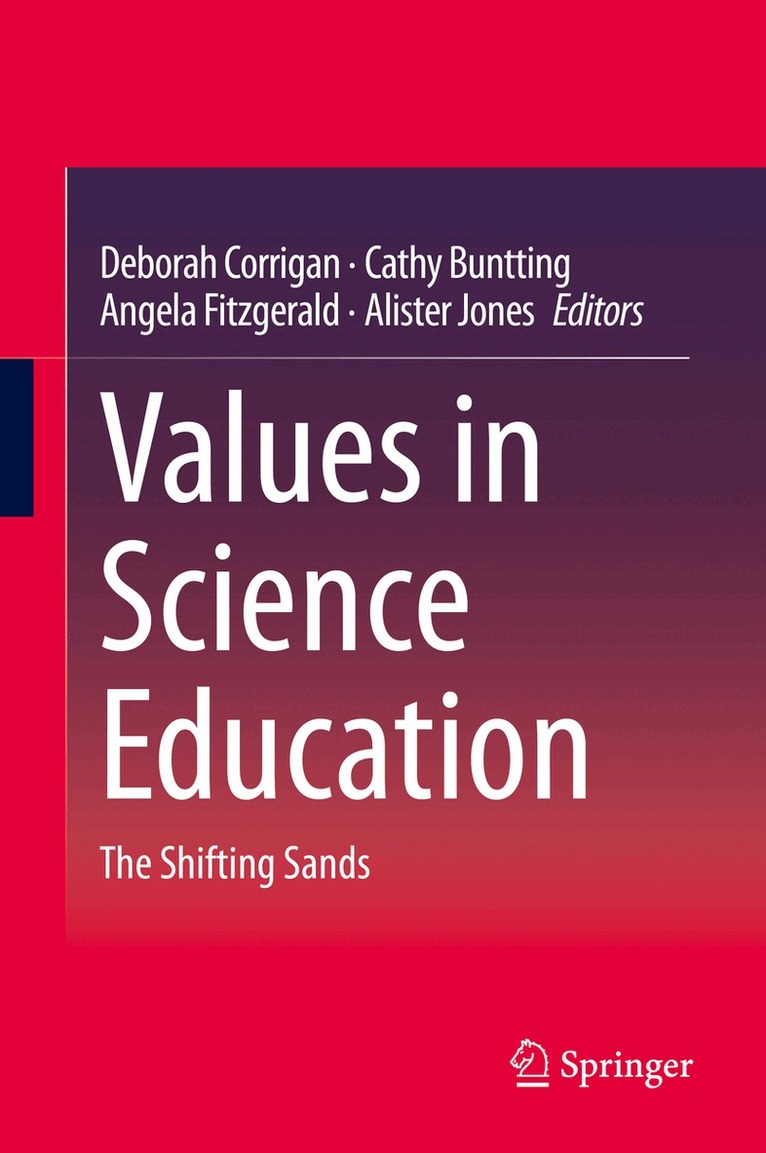
In 2007, the Monash-Kings College London International Centre for the Study of Science and Mathematics Curriculum edited a book called The Re-emergence of Values in Science Education. This book reflects on how values have been considered since this original publication, particularly in terms of socio-cultural, economic and political factors that have impacted broadly on science, technology and society, and more specifically on informal and formal science curricula. Hence, the title of this book has been framed as Values in Science Education: The shifting sands. As in the first book, this collection focuses on values that are centrally associated with science and its teaching, and not the more general notion of values such as cooperation or teamwork that are also important values in current curricula. Such values have indeed become more of a focus in science education. This may be a response to the changing global context, where technological changes havebeen rapid and accelerating. In such complex and risky environments, it is our guiding principles that become the important mainstays of our decisions and practices. In terms of science education, what is becoming clearer is that traditional content and traditional science and scientific methods are not enough for science and hence science education to meet such challenges. While shifts in values in science education continue, tensions remain in curriculum development and implementation, as evidenced by the continued diversity of views about what and whose values matter most.
1 084 kr
Skickas inom 10-15 vardagar
1 515 kr
Skickas inom 10-15 vardagar
1 891 kr
Läs direkt efter köp
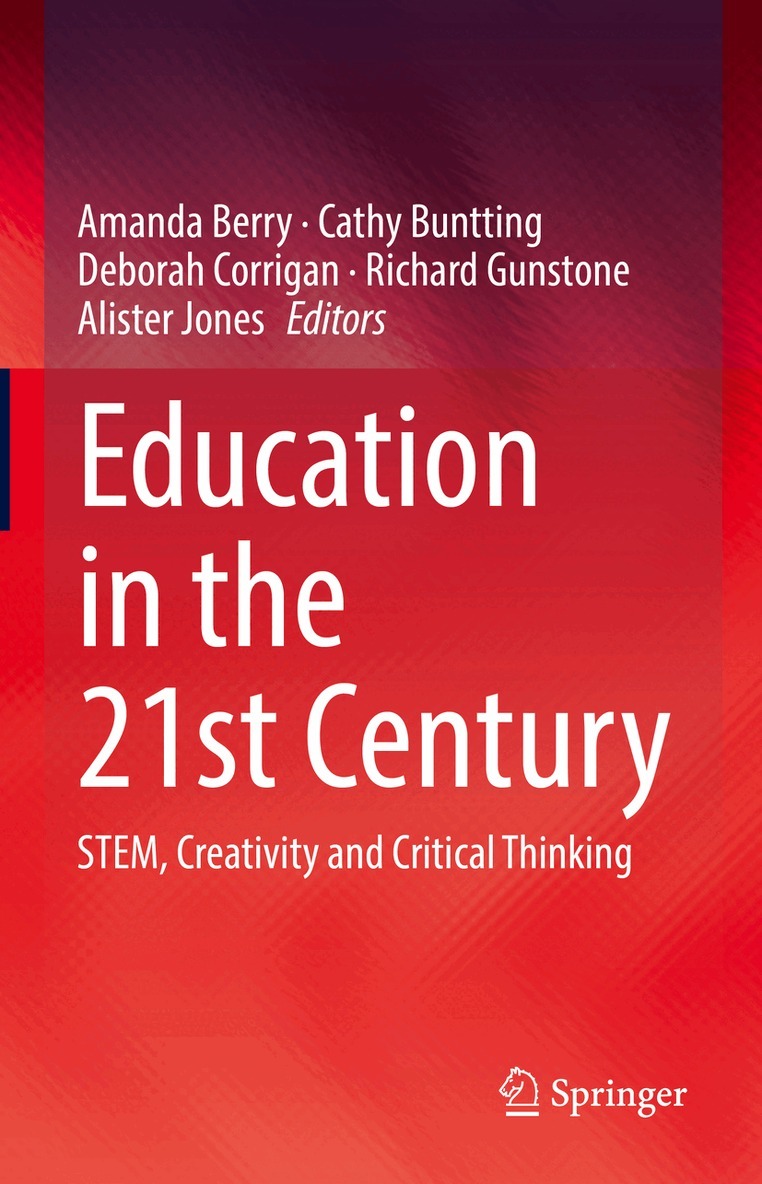
This book explores a range of issues central to STEM and 21st Century education. It explores research into the relationships between creativity, critical thinking and STEM Education from both a theoretical and practical perspective. It examines matters associated with three main concerns: First is the ways some research and development that is labelled “STEM” appears to be essentially one of the specific individual components, S, T, E or M, with a new label rather than something going across and/or beyond these more traditional components. The second, at times intertwining, concern is the common ways in which school curriculum continues to hold separate disciplines as its core. The third concern is that while cross-curriculum goals are increasingly common in this century - particularly for “creativity” and “critical thinking” - it is also common that the goals remain only vaguely linked with the more usual components of the whole curriculum. This book reflects on all three of theseimportant concerns and the integrated whole that can result from them.
Monash University, King’s College London and Waikato University have now generated six edited books on successive related research issues of significance to contemporary science education. Each of these books has been substantially shaped by a writing workshop involving all authors in intensive discussion about drafts of their contributions (a process of great worth in its own right, as well as for enhancing the value of the final volume), and then each author reworking the contribution in the light of the discussions The seventh will extend beyond science education and explore a range of issues central to STEM and 21st Century education.
1 515 kr
Skickas inom 10-15 vardagar
1 084 kr
Skickas inom 10-15 vardagar
1 416 kr
Läs direkt efter köp
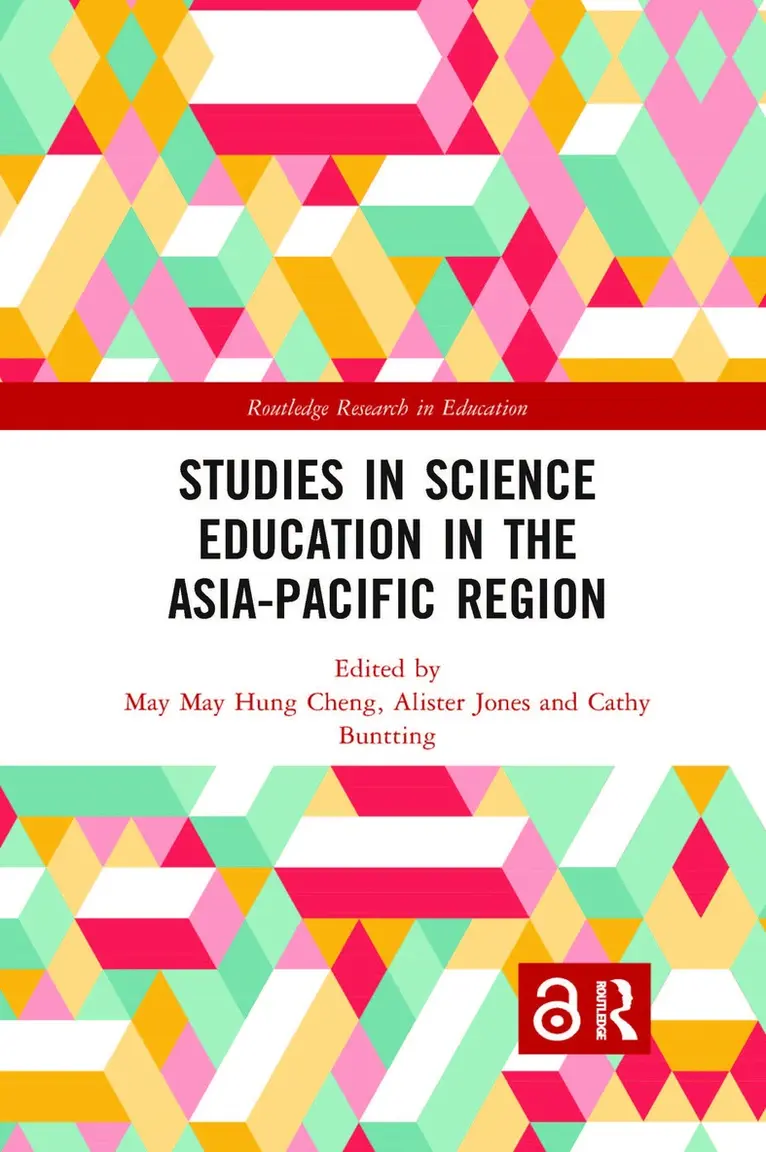
This volume considers the future of science learning - what is being learned and how it is being learned - in formal and informal contexts for science education. To do this, the book explores major contemporary shifts in the forms of science that could or should be learned in the next 20 years, what forms of learning of that science should occur, and how that learning happens, including from the perspective of learners. In particular, this volume addresses shifts in the forms of science that are researched and taught post-school – emerging sciences, new sciences that are new integrations, “futures science”, and increases in the complexity and multidisciplinarity of science, including a multidisciplinarity that embraces ways of knowing beyond science. A central aspect of this in terms of the future of learning science is the urgent need to engage students, including their non-cognitive, affective dimensions, both for an educated citizenry and for a productive response to the ubiquitous concerns about future demand for science-based professionals. Another central issue is the actual impact of ICT on science learning and teaching, including shifts in how students use mobile technology to learn science.
1 084 kr
Skickas inom 10-15 vardagar
546 kr
Skickas inom 10-15 vardagar
692 kr
Läs direkt efter köp
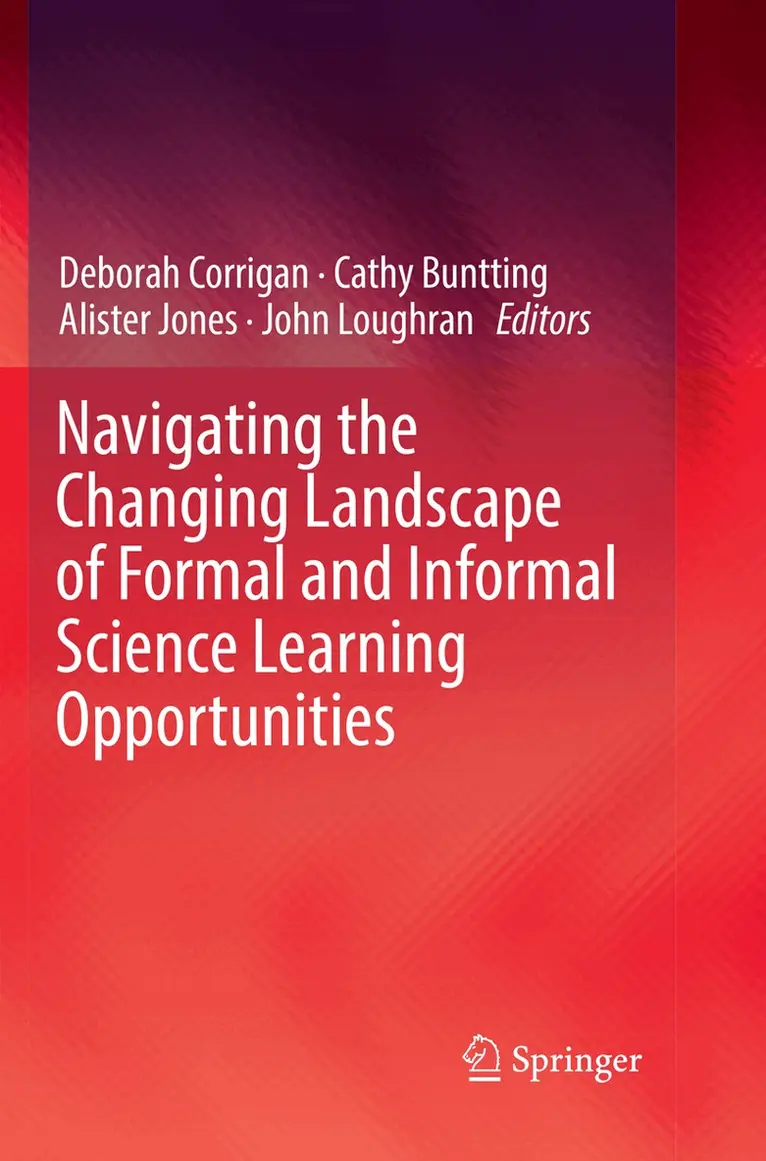
This book presents research involving learning opportunities that are afforded to learners of science when the focus is on linking the formal and informal science education sectors. It uses the metaphor of a "landscape" as it emphasises how the authors see the possible movement within a landscape that is inclusive of formal, informal and free-choice opportunities. The book explores opportunities to change formal school science education via perspectives and achievements from the informal and free-choice science education sector within the wider lifelong, life-wide education landscape. Additionally it explores how science learning that occurs in a more inclusive landscape can demonstrate the potential power of these opportunities to address issues of relevance and engagement that currently plague the learning of science in school settings.
Combining specific contexts, case studies and more general examples, the book examines the science learning landscapes by means of the lens of an ecosystem and the case of the Synergies longitudinal research project. It explores the relationships between school and museum, and relates the lessons learned through encounters with a narwhal. It discusses science communication, school-community partnerships, socioscientific issues, outreach education, digital platforms and the notion of a learning ecology.
1 299 kr
Skickas inom 10-15 vardagar
1 263 kr
Skickas inom 10-15 vardagar
1 733 kr
Läs direkt efter köp
1 263 kr
Skickas inom 10-15 vardagar
1 263 kr
Skickas inom 10-15 vardagar
1 733 kr
Läs direkt efter köp
Twenty-five years ago there was increasing optimism in policy, curriculum and research about the contribution that technology education might make to increased technological literacy in schools and the wider population. That optimism continues, although the status of technology as a learning area remains fragile in many places.
This edited book is offered as a platform from which to continue discussions about how technology education might progress into the future, and how the potential of technology education to be truly relevant and valued in school learning can be achieved.
The book results from a collaboration between leading academics in the field, the wider group of authors having had input into each of the chapters. Through the development of a deep understanding of technology, based on a thoughtful philosophy, pathways are discussed to facilitate student learning opportunities in technology education. Consideration is given to the purpose(s) of technology education and how this plays out in curriculum, pedagogies, and assessment. Key dimensions, including design, critique, students’ cultural capital are also explored, as are the role and place of political persuasion, professional organisations, and research that connects with practice.
The discussion in the book leads to a conclusion that technology education has both an ethical and moral responsibility to support imaginings that sustain people and communities in harmony and for the well being of the broader ecological and social environment.