CecA-lia Tomori – författare
814 kr
Läs direkt efter köp
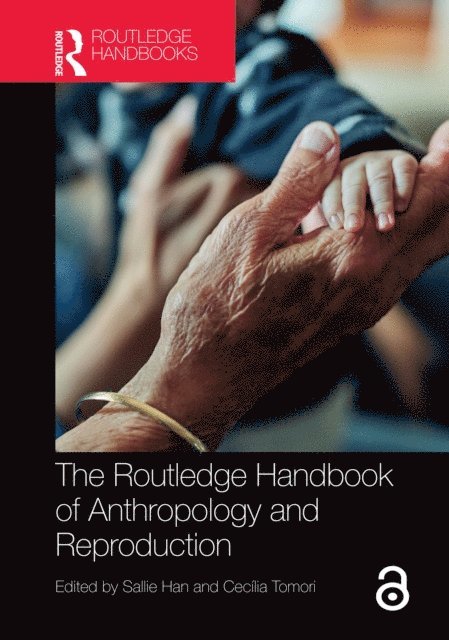
The Routledge Handbook of Anthropology and Reproduction is a comprehensive overview of the topics, approaches, and trajectories in the anthropological study of human reproduction. The book brings together work from across the discipline of anthropology, with contributions by established and emerging scholars in archaeological, biological, linguistic, and sociocultural anthropology. Across these areas of research, consideration is given to the contexts, conditions, and contingencies that mark and shape the experiences of reproduction as always gendered, classed, and racialized. Over 39 chapters, a diverse range of international scholars cover topics including:
Reproductive governance, stratification, justice, and freedom.
Fertility and infertility.
Technologies and imaginations.
Queering reproduction.
Pregnancy, childbirth, and reproductive loss.
Postpartum and infant care.
Care, kinship, and alloparenting.
This is a valuable reference for scholars and upper-level students in anthropology and related disciplines associated with reproduction, including sociology, gender studies, science and technology studies, human development and family studies, global health, public health, medicine, medical humanities, and midwifery and nursing.
785 kr
Läs direkt efter köp
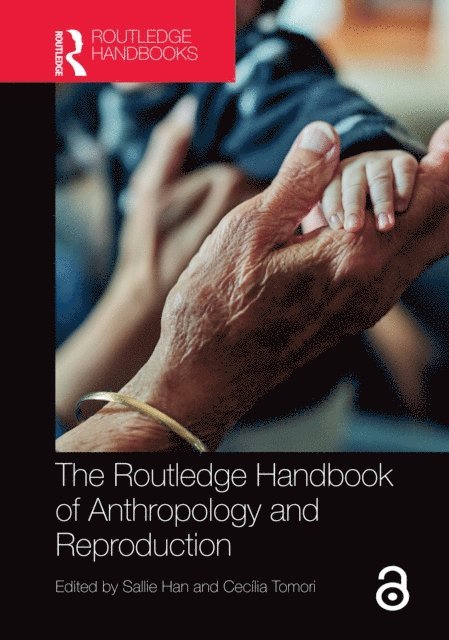
The Routledge Handbook of Anthropology and Reproduction is a comprehensive overview of the topics, approaches, and trajectories in the anthropological study of human reproduction. The book brings together work from across the discipline of anthropology, with contributions by established and emerging scholars in archaeological, biological, linguistic, and sociocultural anthropology. Across these areas of research, consideration is given to the contexts, conditions, and contingencies that mark and shape the experiences of reproduction as always gendered, classed, and racialized. Over 39 chapters, a diverse range of international scholars cover topics including:
Reproductive governance, stratification, justice, and freedom.
Fertility and infertility.
Technologies and imaginations.
Queering reproduction.
Pregnancy, childbirth, and reproductive loss.
Postpartum and infant care.
Care, kinship, and alloparenting.
This is a valuable reference for scholars and upper-level students in anthropology and related disciplines associated with reproduction, including sociology, gender studies, science and technology studies, human development and family studies, global health, public health, medicine, medical humanities, and midwifery and nursing.
404 kr
Läs direkt efter köp
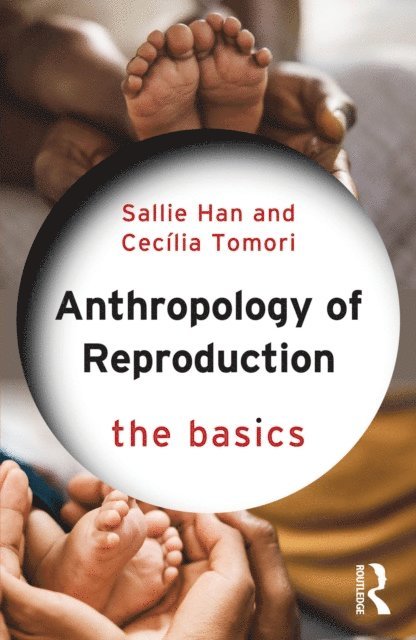
Anthropology of Reproduction: The Basics is a clear and accessible guide to topics in reproduction from the perspective of anthropology, emphasizing the central importance of reproduction in human sociocultural and biological experience. It examines why reproduction matters so much to human beings and what anthropology offers to better understand their decisions about having or not having children, and their experiences with periods, infertility, contraception, abortion, pregnancy, pregnancy loss, birth, and care for children. The book shows that all of reproduction is shaped by our evolution, prehistory and history, as well as the cultural, social, political, and economic contexts and conditions that impact our lives. It tells the story of how these conditions enable, support, constrain or coerce reproduction – and how people around the world survive or thrive within, comply with, or resist against these forces to create their reproductive futures. Its primary goals are to promote:
· an understanding of human reproduction as sociocultural and biological experience
· awareness of and attention to the sociocultural, historical, political, and economic contexts and conditions influence the ideas and practices of human reproduction, particularly how social inequities shape reproduction and, in turn, how we can move towards more equal and just reproductive futures.
· to introduce and reinforce an understanding of anthropology as a discipline taking a holistic approach to human experiences. This student-friendly text provides an overview of the fundamental principles of reproduction and is an invaluable guide for anyone wanting to learn more about this fascinating subject.
It is an essential read for students approaching the subject for the first time, as well as researchers coming to the topic from another discipline in the sciences and humanities.
404 kr
Läs direkt efter köp
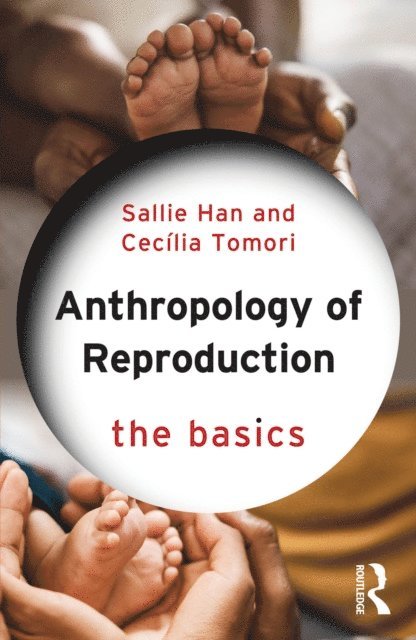
Anthropology of Reproduction: The Basics is a clear and accessible guide to topics in reproduction from the perspective of anthropology, emphasizing the central importance of reproduction in human sociocultural and biological experience. It examines why reproduction matters so much to human beings and what anthropology offers to better understand their decisions about having or not having children, and their experiences with periods, infertility, contraception, abortion, pregnancy, pregnancy loss, birth, and care for children. The book shows that all of reproduction is shaped by our evolution, prehistory and history, as well as the cultural, social, political, and economic contexts and conditions that impact our lives. It tells the story of how these conditions enable, support, constrain or coerce reproduction – and how people around the world survive or thrive within, comply with, or resist against these forces to create their reproductive futures. Its primary goals are to promote:
· an understanding of human reproduction as sociocultural and biological experience
· awareness of and attention to the sociocultural, historical, political, and economic contexts and conditions influence the ideas and practices of human reproduction, particularly how social inequities shape reproduction and, in turn, how we can move towards more equal and just reproductive futures.
· to introduce and reinforce an understanding of anthropology as a discipline taking a holistic approach to human experiences. This student-friendly text provides an overview of the fundamental principles of reproduction and is an invaluable guide for anyone wanting to learn more about this fascinating subject.
It is an essential read for students approaching the subject for the first time, as well as researchers coming to the topic from another discipline in the sciences and humanities.