Cecil Lowry – författare
Visar alla böcker från författaren Cecil Lowry. Handla med fri frakt och snabb leverans.
8 produkter
8 produkter
Häftad, Engelska, 2015
117 kr
Skickas inom 5-8 vardagar
Häftad, Engelska, 2022
156 kr
Skickas
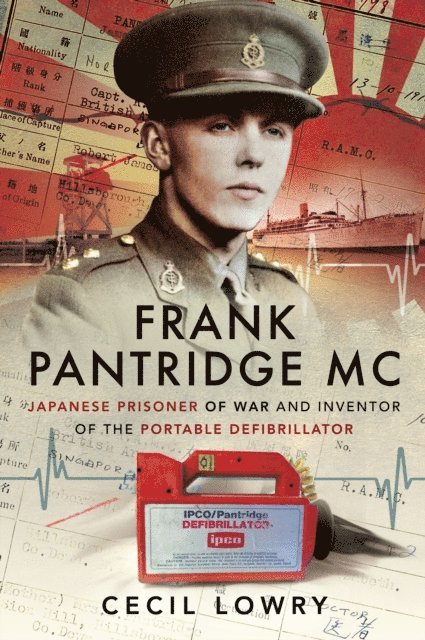
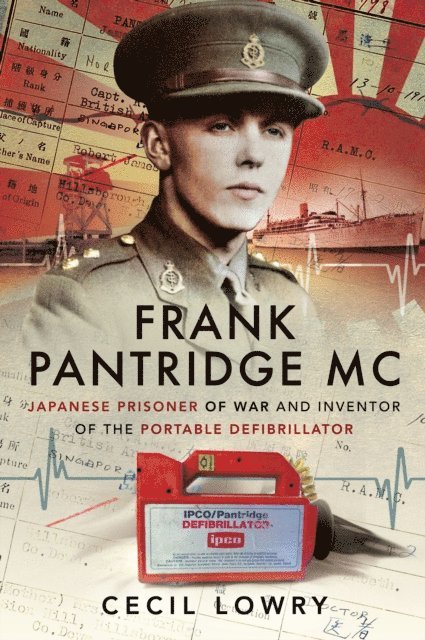
Countless thousands of men and women around the world have good reason to be thankful that Frank Pantridge survived three and a half years of brutal Japanese captivity. Had he not, they too would in all probability have died too.Taken prisoner at the fall of Singapore in February 1942 Frank was forced to endure appalling deprivation. Conditions on the Burma railway were notorious, and the death rate was horrendous.On returning to Belfast in late 1945 Frank specialised in heart diseases. Convinced that the prompt application of electric shock after cardiac arrest could save lives he reasoned that ventricular defibrillation should be applied not just in hospitals but in the workplace, the home, the street or ambulance.His first portable' defibrillator was produced in 1965 and over the intervening years evolved into the compact units so prevalent today. The importance of Pantridge's invention was well demonstrated when US President Lyndon B Johnston's life was saved in 1972.This stirring biography reveals the full story of a remarkable man who survived against the odds to save countless lives.
E-bok
Engelska, 2018149 kr
Läs direkt efter köp
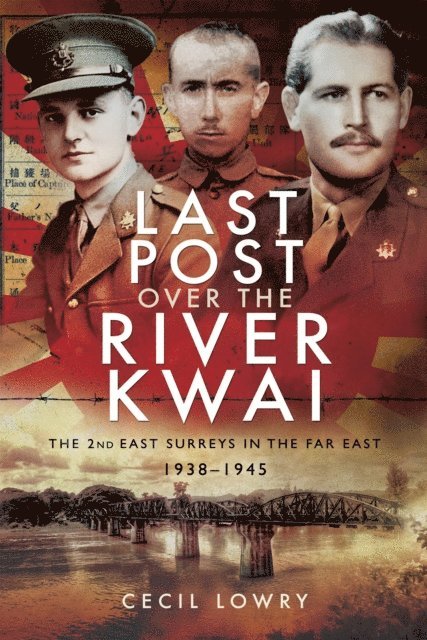
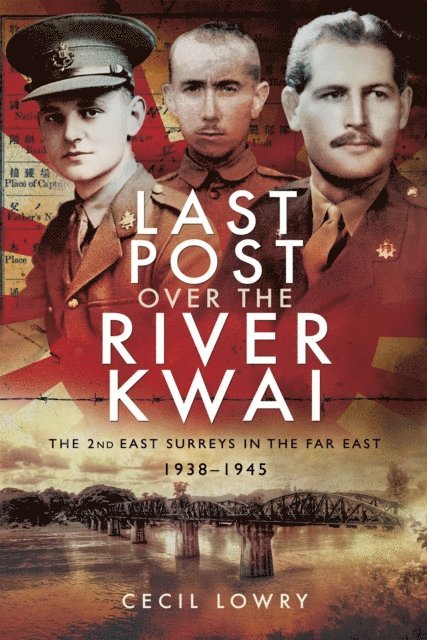
Last Post Over the River Kwai is the carefully researched account of the experiences of the officers and men of 2nd Battalion The East Surreys during the Second World War.Stationed in Shanghai in the early 1940s, the Battalion was deployed to Malaya and fought gallantly to slow the Japanese advance. After heavy losses the survivors found themselves POWs in Singapore in February 1942 after the humiliating surrender which Churchill described as Britains worst ever military disaster.The next three and a half years saw members of the Battalion suffering appalling hardship at the hands of their brutal Japanese captors, whether in Singapore, on the Death Railway, Malaya or Japan itself, as wells as on hellships. Many died but remarkably the majority survived to tell their story. Their prolonged captivity with unbelievable hardship, deprivation and cruelty makes for distressing but inspiring reading.
E-bok
PDF, Engelska, 2018142 kr
Läs direkt efter köp
Last Post Over the River Kwai is the carefully researched account of the experiences of the officers and men of 2nd Battalion The East Surreys during the Second World War.Stationed in Shanghai in the early 1940s, the Battalion was deployed to Malaya and fought gallantly to slow the Japanese advance. After heavy losses the survivors found themselves POWs in Singapore in February 1942 after the humiliating surrender which Churchill described as Britains worst ever military disaster.The next three and a half years saw members of the Battalion suffering appalling hardship at the hands of their brutal Japanese captors, whether in Singapore, on the Death Railway, Malaya or Japan itself, as wells as on hellships. Many died but remarkably the majority survived to tell their story. Their prolonged captivity with unbelievable hardship, deprivation and cruelty makes for distressing but inspiring reading.
Häftad, Engelska, 2019
155 kr
Skickas
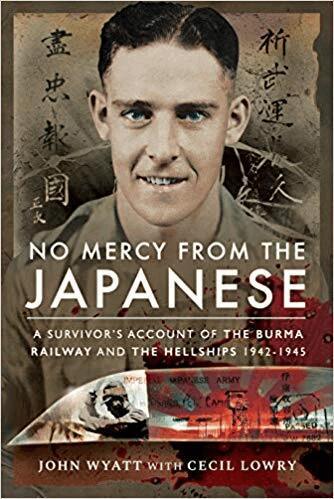
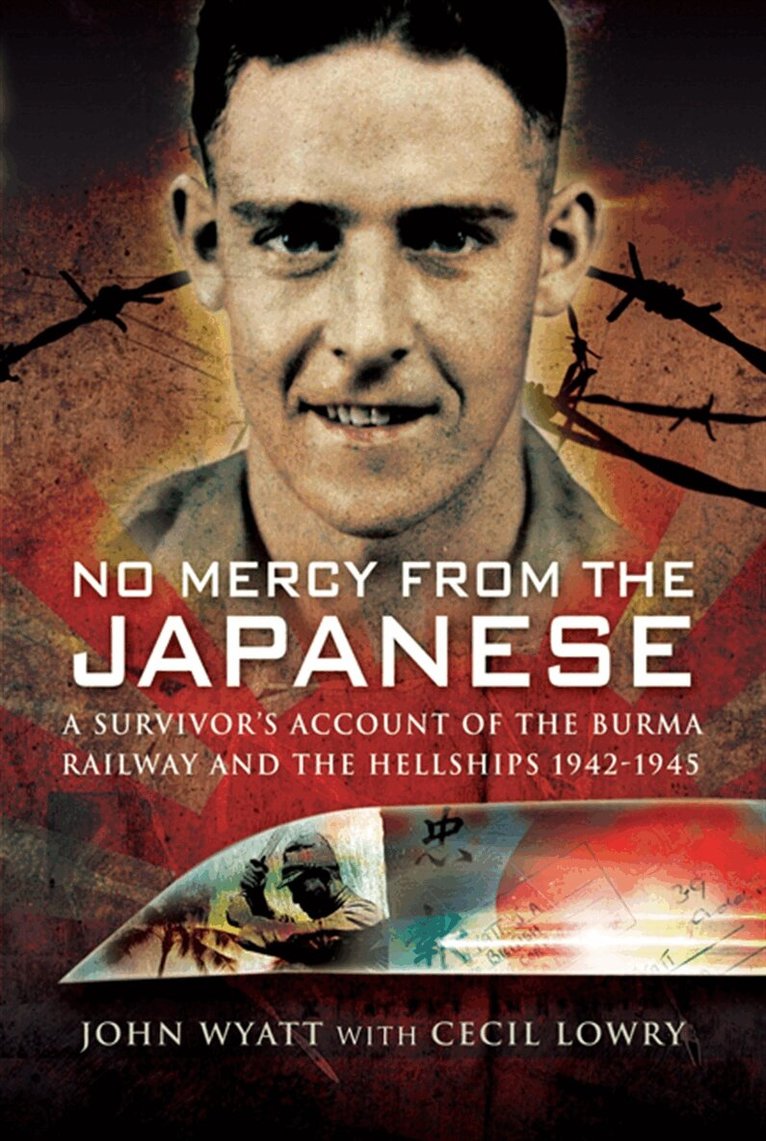
By the laws of statistics John Wyatt should not be here today to tell his story. He firmly believes that someone somewhere was looking after him during those four years. Examine the odds stacked against him and his readers will understand why he hold this view. During the conflict in Malaya and Singapore his regiment lost two thirds of its men. More than three hundred patients and staff in the Alexandra Military hospital were slaughtered by the Japanese - he was the only known survivor. Twenty six percent of British soldiers slaving on the Burma Railway died. More than fifty men out of around six hundred died aboard the Aaska Maru and the Hakasan Maru. Many more did not manage to survive the harshest Japanese winter of 1944/45, the coldest in Japan since record began. John's experiences make for the most compelling and graphic reading. The courage, endurance and resilience of men like him never ceases to amaze.
E-bok
Engelska, 202015 kr
Läs direkt efter köp
A biography of the British World War II veteran and Japanese POW camp survivor who went on to create a life-saving device.Countless thousands of men and women around the world have good reason to be thankful that Frank Pantridge survived three and a half years of brutal Japanese captivity. Had he not, they too would in all probability have died too.Taken prisoner at the fall of Singapore in February 1942, Frank was forced to endure appalling deprivation. Conditions on the Burma railway were notorious, and the death rate was horrendous.On returning to Belfast in late 1945, Frank specialized in heart diseases. Convinced that the prompt application of electric shock after cardiac arrest could save lives, he reasoned that ventricular defibrillation should be applied not just in hospitals but in the workplace, the home, the street or ambulance.His first “portable” defibrillator was produced in 1965 and over the intervening years evolved into the compact units so prevalent today. The importance of Pantridge’s invention was well demonstrated when U.S. President Lyndon B. Johnston’s life was saved in 1972.This stirring biography reveals the full story of a remarkable man who survived against the odds to save countless lives.Praise for Frank Pantridge MC“Cecil Lowry''s book describes a man who…survived against all the odds. . . . A fascinating and moving story.” —Books Monthly (UK)
E-bok
PDF, Engelska, 202015 kr
Läs direkt efter köp
A biography of the British World War II veteran and Japanese POW camp survivor who went on to create a life-saving device. Countless thousands of men and women around the world have good reason to be thankful that Frank Pantridge survived three and a half years of brutal Japanese captivity. Had he not, they too would in all probability have died too. Taken prisoner at the fall of Singapore in February 1942, Frank was forced to endure appalling deprivation. Conditions on the Burma railway were notorious, and the death rate was horrendous. On returning to Belfast in late 1945, Frank specialized in heart diseases. Convinced that the prompt application of electric shock after cardiac arrest could save lives, he reasoned that ventricular defibrillation should be applied not just in hospitals but in the workplace, the home, the street or ambulance. His first "e;portable"e; defibrillator was produced in 1965 and over the intervening years evolved into the compact units so prevalent today. The importance of Pantridge's invention was well demonstrated when U.S. President Lyndon B. Johnston's life was saved in 1972. This stirring biography reveals the full story of a remarkable man who survived against the odds to save countless lives. Praise for Frank Pantridge MC"e;Cecil Lowry's book describes a man who survived against all the odds. . . . A fascinating and moving story."e; Books Monthly (UK)
E-bok
Engelska, 202195 kr
Läs direkt efter köp
By the laws of statistics John Lowry should not be here today to tell his story. He firmly believes that someone somewhere was looking after him during those four years. Examine the odds stacked against him and his readers will understand why he hold this view. During the conflict in Malaya and Singapore his regiment lost two thirds of its men. More than three hundred patients and staff in the Alexandra Military hospital were slaughtered by the Japanese – he was the only known survivor. Twenty six percent of British soldiers slaving on the Burma Railway died. More than fifty men out of around six hundred died aboard the Aaska Maru and the Hakasan Maru. Many more did not manage to survive the harshest Japanese winter of 1944/45, the coldest in Japan since record began. John’s experiences make for the most compelling and graphic reading. The courage, endurance and resilience of men like him never ceases to amaze.