Cedric Van Dijck – författare
Visar alla böcker från författaren Cedric Van Dijck. Handla med fri frakt och snabb leverans.
7 produkter
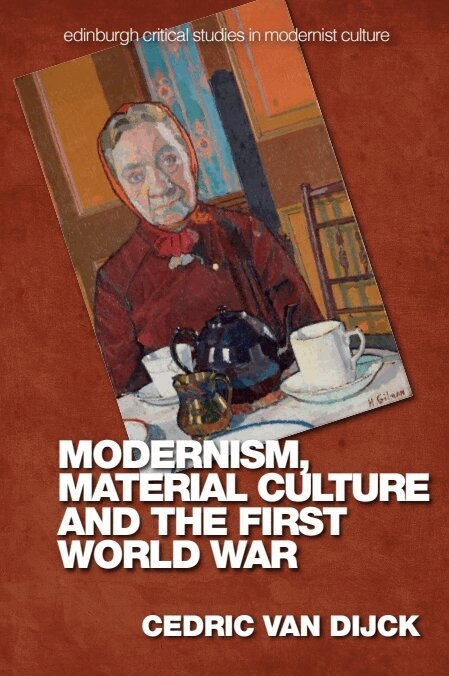
Modernism, Material Culture and the First World War
Inbunden, 2023
2186 kr
Lägg i varukorg
Shifts the scholarly conversation on modernism and war from shell shock to material cultureProvides the first book-length study of the material culture of the First World War through the lens of modernist literatureRethinks the relationship between modernism and armed conflict in tangible terms by …
Modernism, Material Culture and the First World War
Häftad, 2025
442 kr
Lägg i varukorg
What did modernist writers make of the things of war? Often studied for its fascination with the shell-shocked mind, modernist literature is also packed with more tangible traces of the First World War, from helmets, trench art and tombstones to shop signs, military newspapers and leaflets dropped …
Modernism, Material Culture and the First World War
E-bok, 2023
375 kr
Lägg i varukorg
What did modernist writers make of the things of war? Often studied for its fascination with the shell-shocked mind, modernist literature is also packed with more tangible traces of the First World War, from helmets, trench art and tombstones to shop signs, military newspapers and leaflets dropped …
Modernism, Material Culture and the First World War
E-bok, 2023
375 kr
Lägg i varukorg
What did modernist writers make of the things of war? Often studied for its fascination with the shell-shocked mind, modernist literature is also packed with more tangible traces of the First World War, from helmets, trench art and tombstones to shop signs, military newspapers and leaflets dropped …
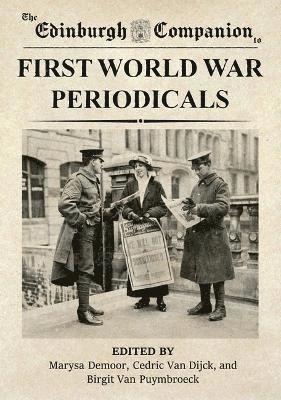
Edinburgh Companion to First World War Periodicals
Av Marysa Demoor, Cedric Van Dijck m. fl.
Häftad, 2026
558 kr
Lägg i varukorg
While literary scholars and historians often draw on the press as a source of information, First World War periodicals have rarely been studied as cultural artefacts in their own right. However, as this volume shows, the press not only played a vital role in the conflict, but also underwent …
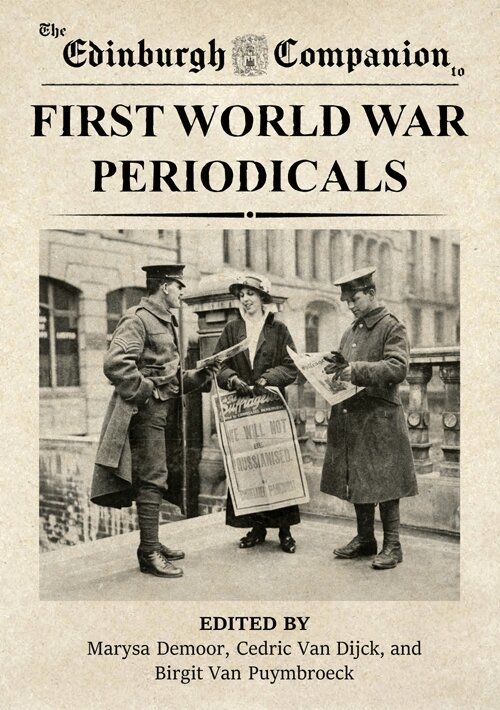
Edinburgh Companion to First World War Periodicals
Av Marysa Demoor, Cedric Van Dijck m. fl.
Inbunden, 2023
2291 kr
Lägg i varukorg
The first reference book on First World War newspapers and magazines from the home front to the front linesWhile literary scholars and historians often draw on the press as a source of information, First World War periodicals have rarely been studied as cultural artefacts in their own right. …
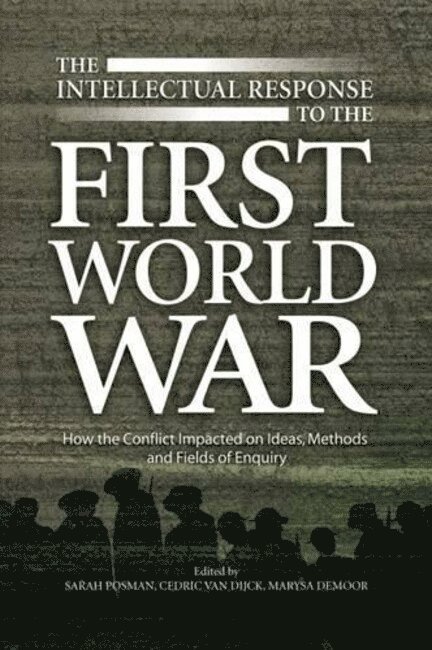
Intellectual Response to the First World War
How the Conflict Impacted on Ideas, Methods and Fields of Enquiry
Av Marysa Demoor, Sarah Posman m. fl.
Inbunden, 2017
1959 kr
Lägg i varukorg
The First World War changed the dynamics of the European intellectual landscape in terms of international collaboration, the development of disciplines and new institutional visions. The conflict not only destroyed much of Europe's material cultural heritage, it also damaged the 19th-century …