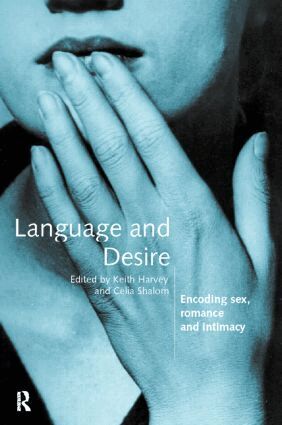
This original and intriguing collection explores the pressures exerted upon language in the expression of romantic and sexual desire. Simultaneously, it reveals the ways in which language itself exerts its own constraints on the subject's capacity to express desire.The contributors, while using the approaches and methods of empirical linguistics, engage directly with issues of relevance in gender studies and cultural studies. They examine and probe:* language used to mediate romantic and sexual desire* language used by the media to represent intimacy and desire* attitudes and assumptions about romantic and sexual desire embodied in English* implications for the construction of romantic and sexual identity
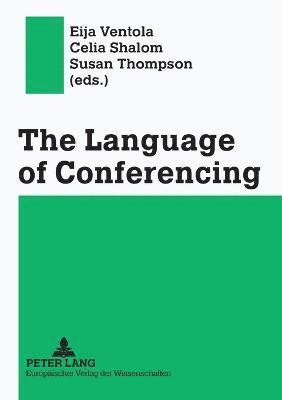
This book focuses on a hitherto neglected area of research within the fields of academic and professional discourse: the language of conferencing. The volume represents a range of perspectives, from the conference as a whole event to the conference as a system of potential genres, within a given discourse community. Some discourse features of conference language are examined in detail, such as strategies for politeness and other interpersonal management during presentations and discussions. The pedagogical implications of conference research are also addressed; and indeed there is a growing need for such a focus. Novice conference participants need explicit linguistic description of and training in, the relevant genres to enable them to become fully-fledged members of their professional discourse communities. Additionally, the work in this volume makes a valuable contribution to the understanding of the intercultural and educational dimensions of the increasing dominance of English as an international lingua franca – in conferences and beyond.
This original and intriguing collection explores the pressures exerted upon language in the expression of romantic and sexual desire. Simultaneously, it reveals the ways in which language itself exerts its own constraints on the subject's capacity to express desire.The contributors, while using the approaches and methods of empirical linguistics, engage directly with issues of relevance in gender studies and cultural studies. They examine and probe:* language used to mediate romantic and sexual desire* language used by the media to represent intimacy and desire* attitudes and assumptions about romantic and sexual desire embodied in English* implications for the construction of romantic and sexual identity
This book focuses on a hitherto neglected area of research within the fields of academic and professional discourse: the language of conferencing. The volume represents a range of perspectives, from the conference as a whole event to the conference as a system of potential genres, within a given discourse community. Some discourse features of conference language are examined in detail, such as strategies for politeness and other interpersonal management during presentations and discussions. The pedagogical implications of conference research are also addressed; and indeed there is a growing need for such a focus. Novice conference participants need explicit linguistic description of and training in, the relevant genres to enable them to become fully-fledged members of their professional discourse communities. Additionally, the work in this volume makes a valuable contribution to the understanding of the intercultural and educational dimensions of the increasing dominance of English as an international lingua franca – in conferences and beyond.