César A.C. Sequeira - Böcker
Visar alla böcker från författaren César A.C. Sequeira. Handla med fri frakt och snabb leverans.
4 produkter
4 produkter
2 121 kr
Skickas inom 10-15 vardagar
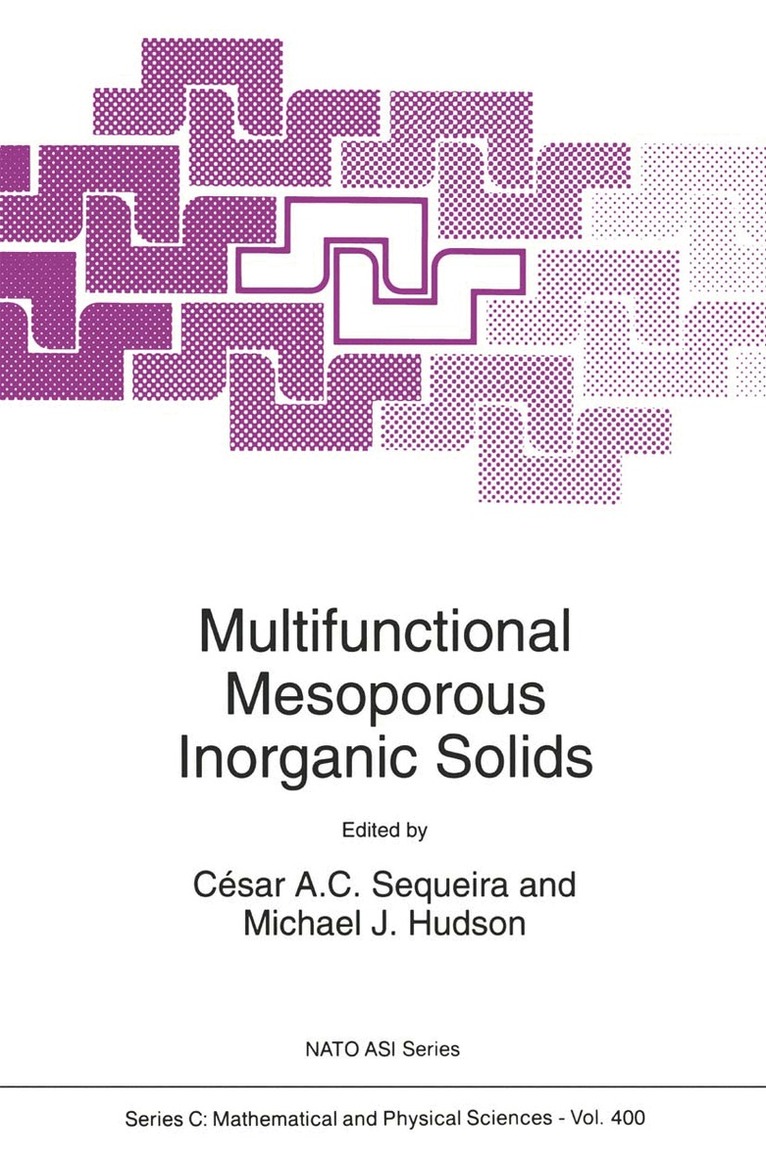
There is a great deal of interest in the general subject of porous inorganic materials in regard to their use as sorbents or catalysts. The solids may be microporous, mesoporous, or macroporous. Often there is a range of pore sizes within any given solid, and so there is special interest in the synthesis, characterization and application of solids having well-defined pores. The first part of this text deals with the theory and practice of the measurement of pore-size distributions. Part 2 goes into porous crystalline materials. The zeolites are, by definition, microporous, but it is important to understand the mechanisms whereby such crystalline porous materials are formed, so as to suggest methods for the synthesis of mesoporous materials. Pillared layered solids are investigated in Part 3. There are clear indications that the current generation of microporous materials may be developed to give PLS which combine micro and mesoporosity, while a totally mesoporous solid may not be far off. Part 4 covers sol-gel methods, where important new developments mean that oxides can be produced with high purity and with well-defined pore sizes.Methods of characterizing the materials are also studied, with solid state NMR (including 27AI-NMR), X-ray and neutron scattering, pulsed ESR, and electrokinetic potential measurements being discussed in Part 5. Finally, applications are discussed in Part 6.
3 168 kr
Skickas inom 10-15 vardagar
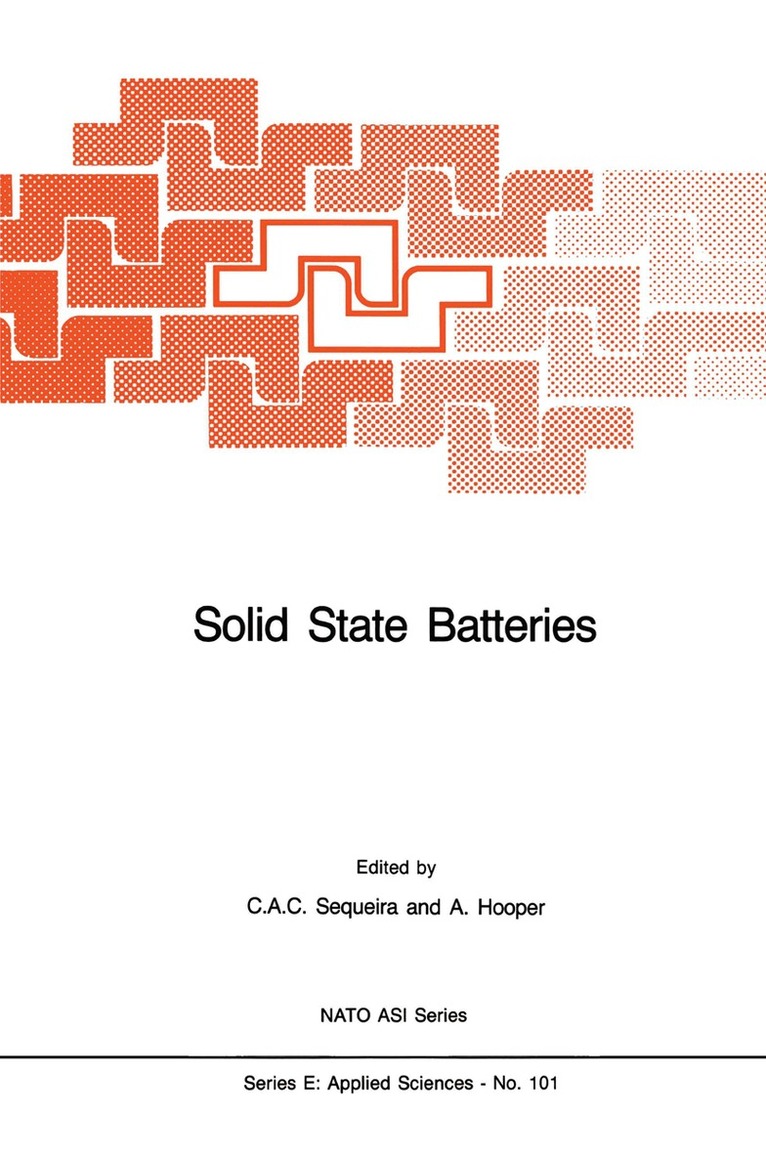
The holding of an Advanced Study Institute on the topic of "Solid State Batteries" at this time represented a logical progression in a series of NATO-sponsored events. Summer Schools at Belgerati, Italy in 1972 and Ajaccio, Corsica in 1975 on the topic of "Solid -State IOllics" dealt with fundamental aspects of solid-state electro chemistry and materials science. The application of specific solid ionic conductors played a significant role in the Science Committee Institute on "Materials for Advanced Batteries" held at Aussois, France in 1979. Interest in these and related fields has grown substantially over this period, and is sustained today. Research and development programmes exist within universities, governmental research laboratories and industry, worldwide and a series of international conferences and collaborations have been set up. Advanced batteries, both secondary and primary, have a potentially important role ~o play in the development of many areas of tech nology in the late 20th century and beyond. Applications include stationary storage, vehicle traction and remote power sources, as well as industrial and domestic cordless products and consumer and military electronics. The concept of an all-so lid-state battery is not new but, until recently, their performance has precluded their use in other than specialist low power, primary, applications. Recent materials' developments, however, make the solid-state battery a real possibility in all of the application sectors mentioned above. Further, such cells offer many attractive features over alternative present-day and advanced systems.
2 115 kr
Skickas inom 10-15 vardagar
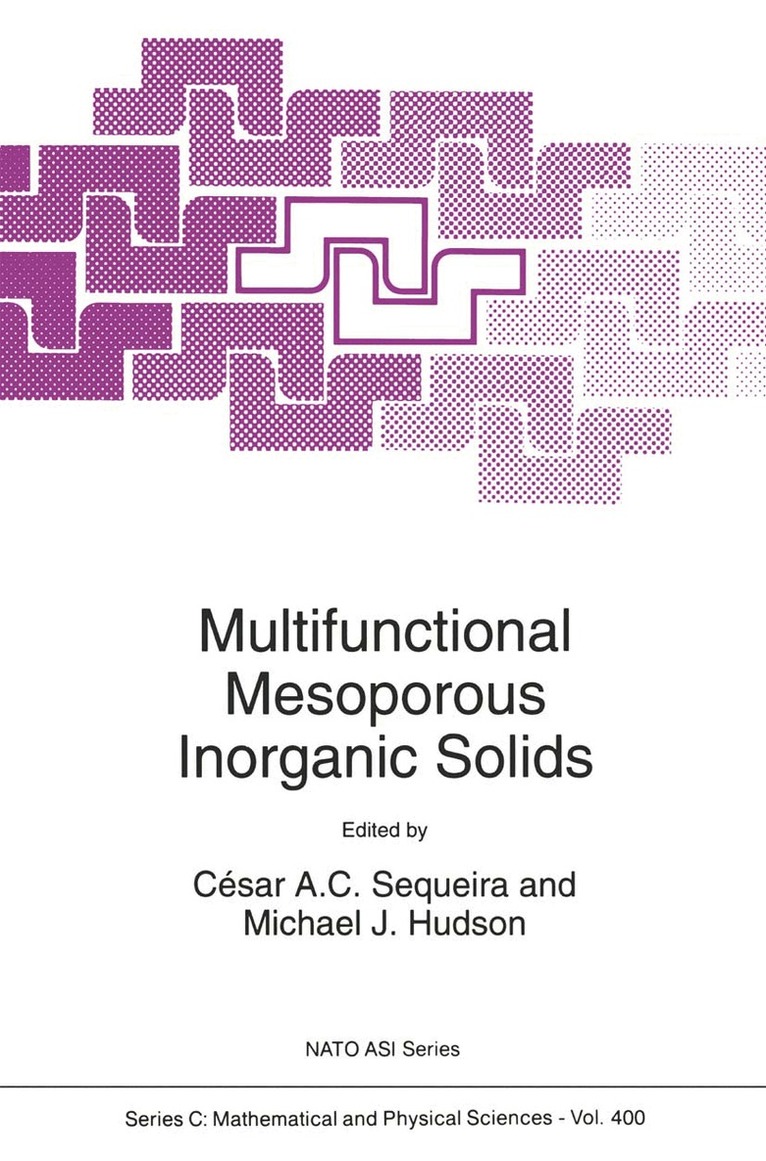
There is a great deal of interest in the general subject of porous inorganic materials in regard to their use as sorbents or catalysts. The solids may be microporous, mesoporous, or macroporous. Often there is a range of pore sizes within any given solid, and so there is special interest in the synthesis, characterisation and application of solids having well-defined pores. The first part of the book deals with the theory and practice of the measurement of pore-size distributions. Part II goes into porous crystalline materials. The zeolites are, by definition, microporous, but it is important to understand the mechanisms whereby such crystalline porous materials are formed, so as to suggest methods for the synthesis of mesoporous materials. Pillared layered solids are investigated in Part III. There are clear indications that the current generation of microporous materials may be developed to give PLS which combine micro and mesoporosity, while a totally mesoporous solid may not be far off. part IV covers sol-gel methods, where important new developments mean that oxides can be produced with high purity and with well-defined pore sizes.Methods of characterising the materials are also studied, with solid state NMR (including 27Al-NMR), X-ray and neutron scattering, pulsed ESR, and electrokinetic potential measurements being discussed in Part V. Finally, applications are discussed in Part VI.
3 178 kr
Skickas inom 10-15 vardagar
The holding of an Advanced Study Institute on the topic of "Solid State Batteries" at this time represented a logical progression in a series of NATO-sponsored events. Summer Schools at Belgerati, Italy in 1972 and Ajaccio, Corsica in 1975 on the topic of "Solid -State IOllics" dealt with fundamental aspects of solid-state electro chemistry and materials science. The application of specific solid ionic conductors played a significant role in the Science Committee Institute on "Materials for Advanced Batteries" held at Aussois, France in 1979. Interest in these and related fields has grown substantially over this period, and is sustained today. Research and development programmes exist within universities, governmental research laboratories and industry, worldwide and a series of international conferences and collaborations have been set up. Advanced batteries, both secondary and primary, have a potentially important role ~o play in the development of many areas of tech nology in the late 20th century and beyond. Applications include stationary storage, vehicle traction and remote power sources, as well as industrial and domestic cordless products and consumer and military electronics. The concept of an all-so lid-state battery is not new but, until recently, their performance has precluded their use in other than specialist low power, primary, applications. Recent materials' developments, however, make the solid-state battery a real possibility in all of the application sectors mentioned above. Further, such cells offer many attractive features over alternative present-day and advanced systems.