César Ceriani Cernadas – författare
Visar alla böcker från författaren César Ceriani Cernadas. Handla med fri frakt och snabb leverans.
5 produkter
5 produkter
Inbunden, Engelska, 2023
1 849 kr
Skickas inom 10-15 vardagar
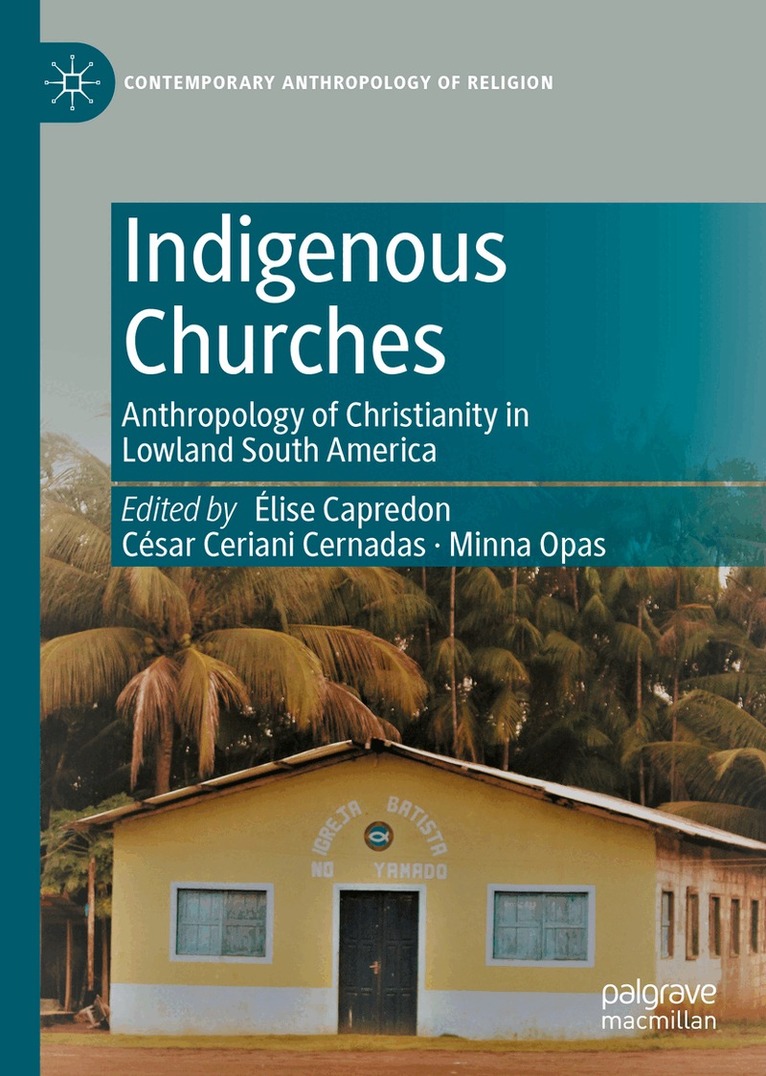
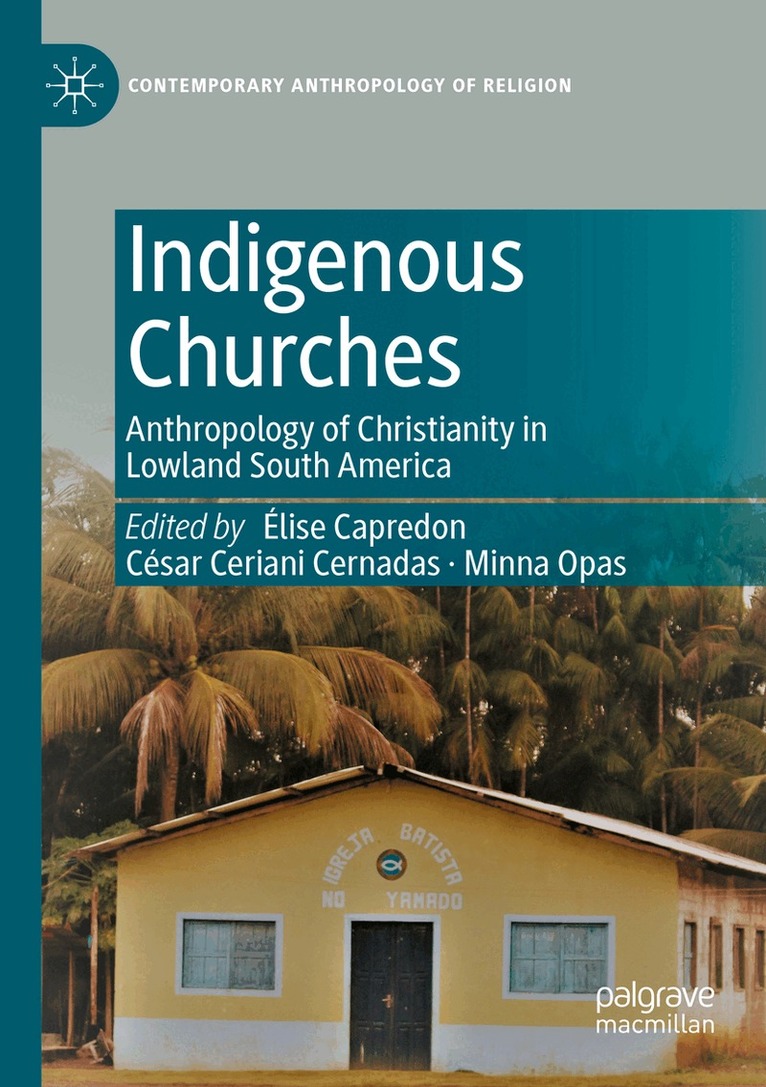
This book raises the question of what an Indigenous church is and how its members define their ties of affiliation or separation. Establishing a pioneering dialogue between Amazonian and Gran Chaco studies on Indigenous Christianity, the contributions address historical processes, cosmological conceptions, ritual practices, leadership dynamics, and material formations involved in the creation and diversification of Indigenous churches. Instead of focusing on the study of missionary ideologies and praxis, the book explores Indigenous peoples' interpretations of Christianity and the institutional arrangements they make to create, expand, or dismantle their churches. In doing so, the volume offers a South American contribution to the theoretical project of the anthropology of Christianity, especially as it relates to the issue of denominationalism and inter-denominational relations.
E-bok
Engelska, 20232 283 kr
Läs direkt efter köp
This book raises the question of what an Indigenous church is and how its members define their ties of affiliation or separation. Establishing a pioneering dialogue between Amazonian and Gran Chaco studies on Indigenous Christianity, the contributions address historical processes, cosmological conceptions, ritual practices, leadership dynamics, and material formations involved in the creation and diversification of Indigenous churches. Instead of focusing on the study of missionary ideologies and praxis, the book explores Indigenous peoples'' interpretations of Christianity and the institutional arrangements they make to create, expand, or dismantle their churches. In doing so, the volume offers a South American contribution to the theoretical project of the anthropology of Christianity, especially as it relates to the issue of denominationalism and inter-denominational relations.
631 kr
Skickas inom 5-8 vardagar
Häftad, Engelska, 2024
1 849 kr
Skickas inom 10-15 vardagar
This book raises the question of what an Indigenous church is and how its members define their ties of affiliation or separation. Establishing a pioneering dialogue between Amazonian and Gran Chaco studies on Indigenous Christianity, the contributions address historical processes, cosmological conceptions, ritual practices, leadership dynamics, and material formations involved in the creation and diversification of Indigenous churches. Instead of focusing on the study of missionary ideologies and praxis, the book explores Indigenous peoples' interpretations of Christianity and the institutional arrangements they make to create, expand, or dismantle their churches. In doing so, the volume offers a South American contribution to the theoretical project of the anthropology of Christianity, especially as it relates to the issue of denominationalism and inter-denominational relations.
E-bok
Spanska, 2022102 kr
Läs direkt efter köp
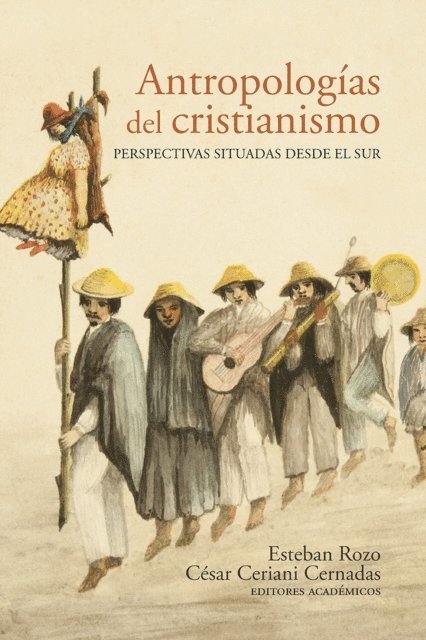
Este libro apuesta a pluralizar el campo de estudios antropológicos sobre las dimensiones socioculturales de los cristianismos latinoamericanos. De manera particular, los autores se interesan por repensar críticamente la propuesta teórica de una ''antropología del cristianismo'' para comprender las configuraciones religiosas latinoamericanas, así como también problematizar las conceptualizaciones sobre conversión, cultura, modernidad y cambio social, entre las principales. La obra ofrece un conjunto de trabajos situados en distintos escenarios geográficos, históricos y culturales de América del Sur. Sus tres partes centrales delimitan, por un lado, el análisis crítico sobre los aportes y problemas conceptuales de la vertiente de estudios autodefinida como antropología del cristianismo, tomando como ejes claves las categorías de modernidad, cultura y cristianismo en el marco de la crítica poscolonial. De otro lado, la investigación etnográfica e histórica sobre procesos de misionalización católicos y evangélicos entre pueblos indígenas de las tierras bajas sudamericanas, problematizando tropos teóricos como la conversión, la mediación cultural y los imaginarios sociales; y, finalmente, indaga sobre disímiles configuraciones religiosas del catolicismo en contextos urbanos y rurales, explorando sus formas devocionales, sus estéticas religiosas y sus tramas de sentidos locales y nacionales.