Cesare Pavese – författare
Visar alla böcker från författaren Cesare Pavese. Handla med fri frakt och snabb leverans.
57 produkter
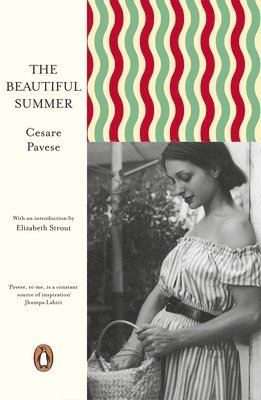
Beautiful Summer
Häftad, 2018
149 kr
Lägg i varukorg
'An astonishing portrait of an innocent on the verge of discovering the cruelties of love... there are whispers here of the future work of Elena Ferrante' Elizabeth Strout, from the introduction'Life was a perpetual holiday in those days...'It's the height of summer in 1930s Italy and …
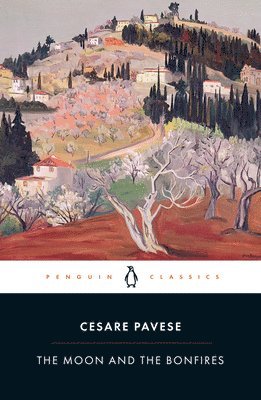
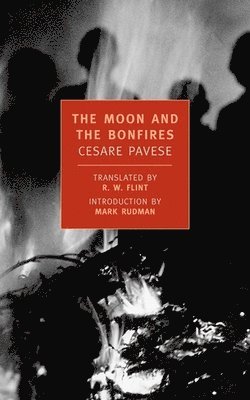
The Moon and the Bonfires
Häftad, 2021
126 kr
Lägg i varukorg
'Insinuating, haunting and lyrically pervasive' The New York Times Book ReviewA new translation by Tim ParksTwenty years after making his fortune in America, Eel is drawn back to the closest thing he has to a home: the Piedmontese countryside where he grew up poor and illegitimate. Wandering the …
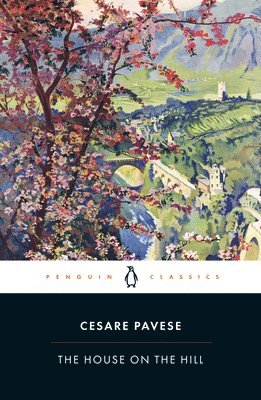
House on the Hill
Häftad, 2021
152 kr
Lägg i varukorg
'Pavese's novels are works of an extraordinary depth where one never stops finding new levels, new meanings' Italo CalvinoJune, 1943. Allied aircraft are bombing Turin; fascist Italy is on its knees. Every evening, after a day's teaching in the city, Corrado returns to the safety of the hills and …
House on the Hill
E-bok, 2021
108 kr
Lägg i varukorg
'Pavese's novels are works of an extraordinary depth where one never stops finding new levels, new meanings' Italo CalvinoJune, 1943. Allied aircraft are bombing Turin; fascist Italy is on its knees. Every evening, after a day's teaching in the city, Corrado returns to the safety of the hills and …
The Moon and the Bonfires
E-bok, 2021
96 kr
Lägg i varukorg
'Insinuating, haunting and lyrically pervasive' The New York Times Book ReviewA new translation by Tim ParksTwenty years after making his fortune in America, Eel is drawn back to the closest thing he has to a home: the Piedmontese countryside where he grew up poor and illegitimate. Wandering the …
Beautiful Summer
E-bok, 2018
102 kr
Lägg i varukorg
'An astonishing portrait of an innocent on the verge of discovering the cruelties of love... there are whispers here of the future work of Elena Ferrante' Elizabeth Strout, from the introduction'Life was a perpetual holiday in those days...'It's the height of summer in 1930s Italy and …
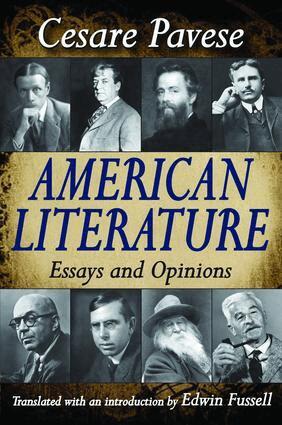
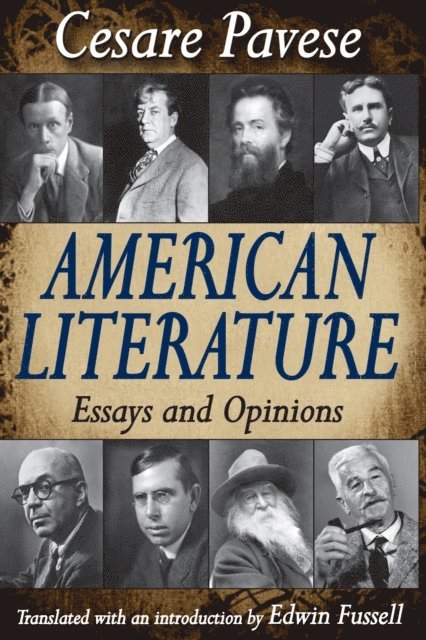
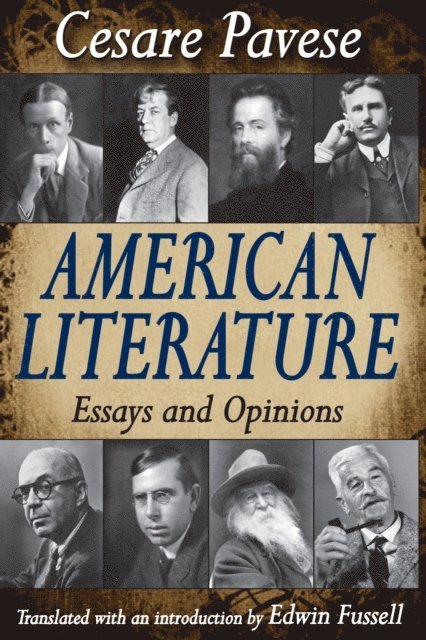
American Literature
Essays and Opinions
Av Cesare Pavese, Cesare Pavese
Inbunden, 2017
2513 kr
Lägg i varukorg
Cesare Pavese (1908-1950) was the leading Italian scholar of American literature of the generation that came to maturity under Mussolini. He was not only an acute and wide-ranging literary critic, but also a sensitive poet and novelist. In addition, he was a prodigious translator. In collaboration …
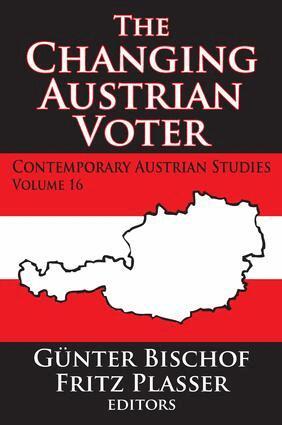
Changing Austrian Voter
Av Cesare Pavese, Fritz Plasser
Inbunden, 2017
1522 kr
Lägg i varukorg
Compared to the late 1970s, when the Austrian voting behavior was characterized by extraordinary stability, low electoral volatility, and high turnout rates, the 1980s and 1990s stand for exceptional changes and ruptures elicited primarily by the rise of the right wing populist FPi (Freedom Party …
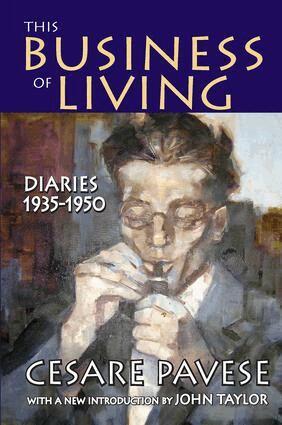
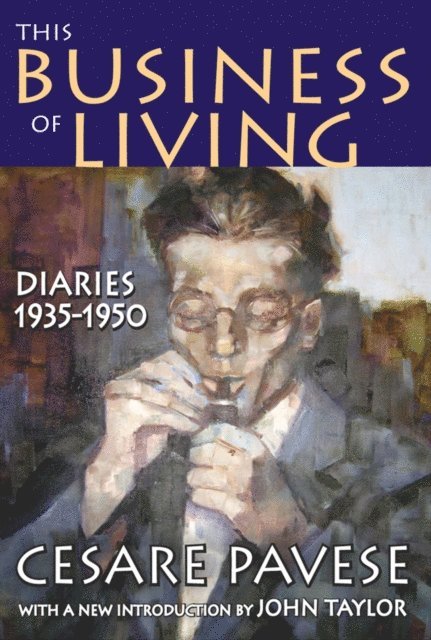
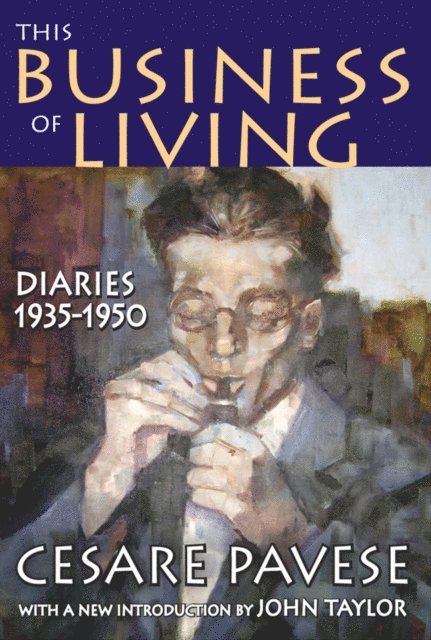
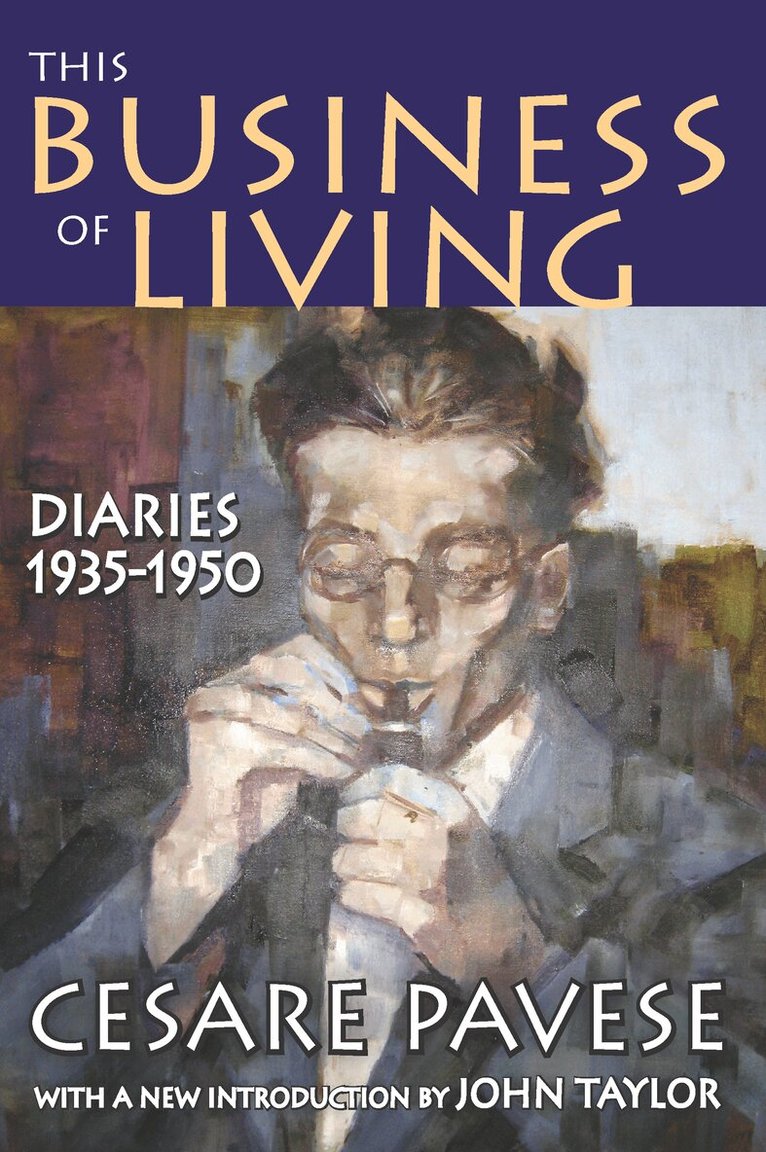
This Business of Living
Diaries 1935-1950
Inbunden, 2017
2915 kr
Lägg i varukorg
On June 23rd, 1950, Pavese, Italy's greatest modern writer received the coveted Strega Award for his novel Among Women Only. On August 26th, in a small hotel in his home town of Turin, he took his own life. Shortly before his death, he methodically destroyed all his private papers. His diary is all …
This Business of Living
Diaries 1935-1950
E-bok, 2017
864 kr
Lägg i varukorg
On June 23rd, 1950, Pavese, Italy''s greatest modern writer received the coveted Strega Award for his novel Among Women Only. On August 26th, in a small hotel in his home town of Turin, he took his own life. Shortly before his death, he methodically destroyed all his private papers. His diary is …
This Business of Living
Diaries 1935-1950
E-bok, 2017
855 kr
Lägg i varukorg
On June 23rd, 1950, Pavese, Italy''s greatest modern writer received the coveted Strega Award for his novel Among Women Only. On August 26th, in a small hotel in his home town of Turin, he took his own life. Shortly before his death, he methodically destroyed all his private papers. His diary is …
Changing Austrian Voter
Av Fritz Plasser, Cesare Pavese
E-bok, 2017
644 kr
Lägg i varukorg
Compared to the late 1970s, when the Austrian voting behavior was characterized by extraordinary stability, low electoral volatility, and high turnout rates, the 1980s and 1990s stand for exceptional changes and ruptures elicited primarily by the rise of the right wing populist FPi (Freedom Party …
Changing Austrian Voter
Av Fritz Plasser, Cesare Pavese
E-bok, 2017
658 kr
Lägg i varukorg
Compared to the late 1970s, when the Austrian voting behavior was characterized by extraordinary stability, low electoral volatility, and high turnout rates, the 1980s and 1990s stand for exceptional changes and ruptures elicited primarily by the rise of the right wing populist FPi (Freedom Party …
American Literature
Essays and Opinions
E-bok, 2017
1013 kr
Lägg i varukorg
Cesare Pavese (1908-1950) was the leading Italian scholar of American literature of the generation that came to maturity under Mussolini. He was not only an acute and wide-ranging literary critic, but also a sensitive poet and novelist. In addition, he was a prodigious translator. In collaboration …
American Literature
Essays and Opinions
E-bok, 2017
1036 kr
Lägg i varukorg
Cesare Pavese (1908-1950) was the leading Italian scholar of American literature of the generation that came to maturity under Mussolini. He was not only an acute and wide-ranging literary critic, but also a sensitive poet and novelist. In addition, he was a prodigious translator. In collaboration …
Changing Austrian Voter
Av Cesare Pavese, Fritz Plasser
Häftad, 2008
561 kr
Lägg i varukorg
Compared to the late 1970s, when the Austrian voting behavior was characterized by extraordinary stability, low electoral volatility, and high turnout rates, the 1980s and 1990s stand for exceptional changes and ruptures elicited primarily by the rise of the right wing populist FPi (Freedom Party …
This Business of Living
Diaries 1935-1950
Häftad, 2009
796 kr
Lägg i varukorg
On June 23rd, 1950, Pavese, Italy's greatest modern writer received the coveted Strega Award for his novel Among Women Only. On August 26th, in a small hotel in his home town of Turin, he took his own life. Shortly before his death, he methodically destroyed all his private papers. His diary is all …
American Literature
Essays and Opinions
Av Cesare Pavese, Cesare Pavese
Häftad, 2010
879 kr
Lägg i varukorg
Cesare Pavese (1908-1950) was the leading Italian scholar of American literature of the generation that came to maturity under Mussolini. He was not only an acute and wide-ranging literary critic, but also a sensitive poet and novelist. In addition, he was a prodigious translator. In collaboration …
Craft of Living
Journals, 1935-1950
Av Cesare Pavese, Iuri Moscardi
Inbunden, 2026
1025 kr
Lägg i varukorg
The Craft of Living is a collection of journals written by Italian intellectual Cesare Pavese between 1935, when the Fascist regime exiled him to Calabria, and 1950, the year he committed suicide. This is the first English publication of these journals in their entirety.Cesare Pavese was a …
Craft of Living
Journals, 1935-1950
Av Cesare Pavese, Iuri Moscardi
E-bok, 2026
1211 kr
Lägg i varukorg
The Craft of Living is a collection of journals written by Italian intellectual Cesare Pavese between 1935, when the Fascist regime exiled him to Calabria, and 1950, the year he committed suicide. This is the first English publication of these journals in their entirety.Cesare Pavese was a …
Craft of Living
Journals, 1935-1950
Av Cesare Pavese, Iuri Moscardi
E-bok, 2026
1211 kr
Lägg i varukorg
The Craft of Living is a collection of journals written by Italian intellectual Cesare Pavese between 1935, when the Fascist regime exiled him to Calabria, and 1950, the year he committed suicide. This is the first English publication of these journals in their entirety.Cesare Pavese was a …
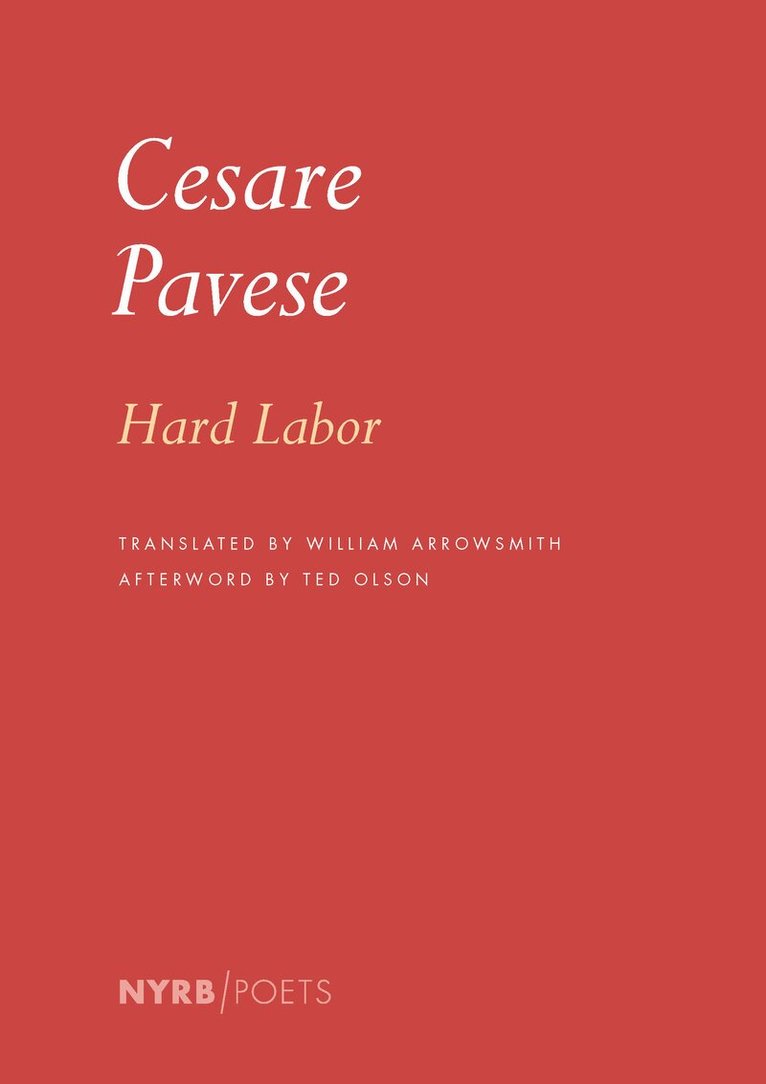
Hard Labor
Av Cesare Pavese, William Arrowsmith
Häftad, 2025
251 kr
Lägg i varukorg
A landmark translation of passionate, fiercely intelligent poetry about coming of age by one of the most influential Italian writers of the twentieth century. In the spring of 1935, the young Cesare Pavese was sentenced, for "antifascist activities," to three years of detention in a small seaside …
La Luna E I Falo'
Häftad, 2021
123 kr
Lägg i varukorg
Ristampa dell'edizione del 1950. Copertina flessibile. Cesare Pavese scrive La luna e i falò tra il 18 settembre e il 9 novembre del 1949. La luna e i falò e' il più importante romanzo di Cesare Pavese ed una delle ultime opere dello scrittore, che morirà suicida nell'agosto del 1950. Il …
Leucothea Dialogues
Av Cesare Pavese, Minna Zallman Proctor
Häftad, 2025
251 kr
Lägg i varukorg
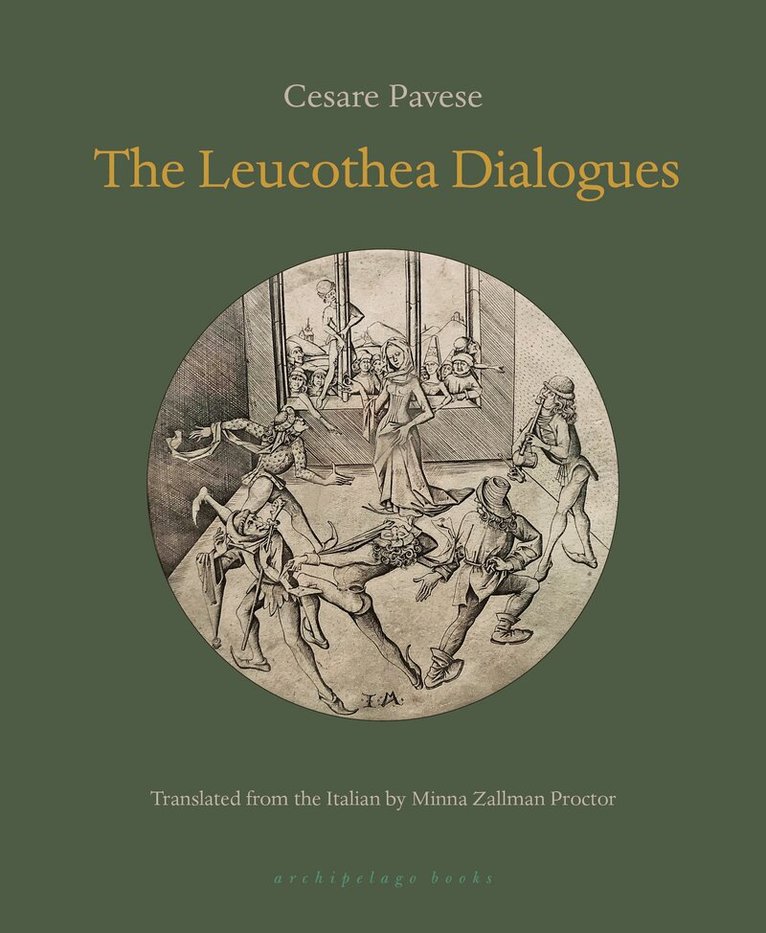
Winner of the 2026 PEN Translation Prize A shifting, primordial work by Cesare Pavese, plumbing the netherworlds of philosophy, myth, human feeling, and mortality "Above all [Pavese's novels] are works of an extraordinary depth where one never stops finding new levels, new meanings . . . Each one …