Changxing Ma – författare
Visar alla böcker från författaren Changxing Ma. Handla med fri frakt och snabb leverans.
3 produkter
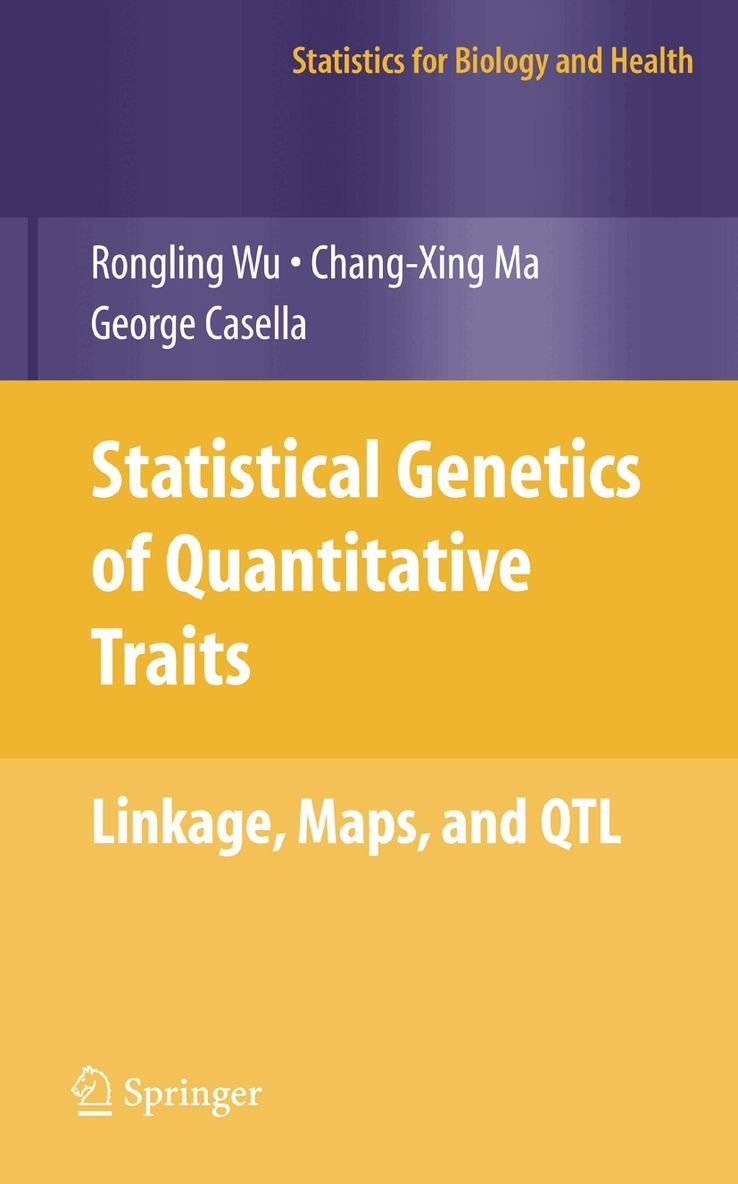
Statistical Genetics of Quantitative Traits
Linkage, Maps and QTL
Av Rongling Wu, Changxing Ma m. fl.
Inbunden, 2007
2180 kr
Lägg i varukorg
Most traits in nature and of importance to agriculture are quantitatively inherited. These traits are di?cult to study due to the complex nature of their inheritance. However, recent developments of genomic technologies provide a revolutionary means for unraveling the secrets of genetic variation …
Statistical Genetics of Quantitative Traits
Linkage, Maps and QTL
Av George Casella, Changxing Ma m. fl.
E-bok, 2007
2169 kr
Lägg i varukorg
Most traits in nature and of importance to agriculture are quantitatively inherited. These traits are di?cult to study due to the complex nature of their inheritance. However, recent developments of genomic technologies provide a revolutionary means for unraveling the secrets of genetic variation …
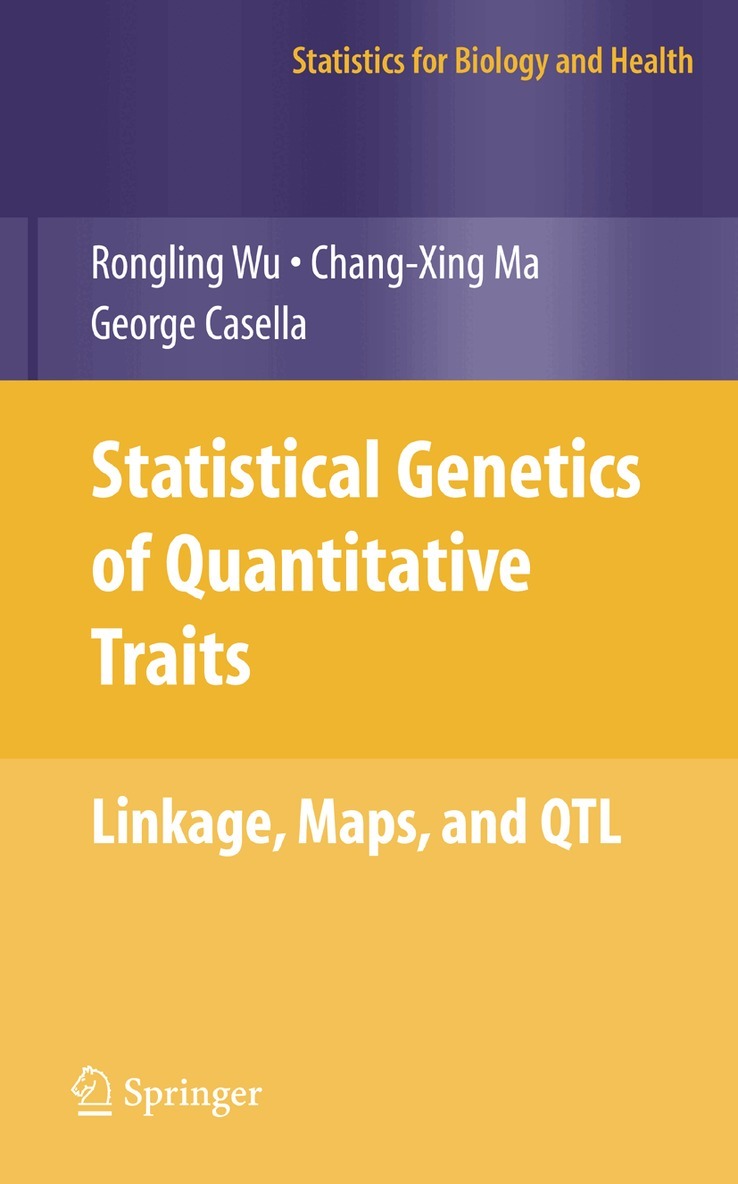
Statistical Genetics of Quantitative Traits
Linkage, Maps and QTL
Av Rongling Wu, Changxing Ma m. fl.
Häftad, 2010
1693 kr
Lägg i varukorg
Most traits in nature and of importance to agriculture are quantitatively inherited. These traits are di?cult to study due to the complex nature of their inheritance. However, recent developments of genomic technologies provide a revolutionary means for unraveling the secrets of genetic variation …