Chantal Meza – författare
Visar alla böcker från författaren Chantal Meza. Handla med fri frakt och snabb leverans.
7 produkter
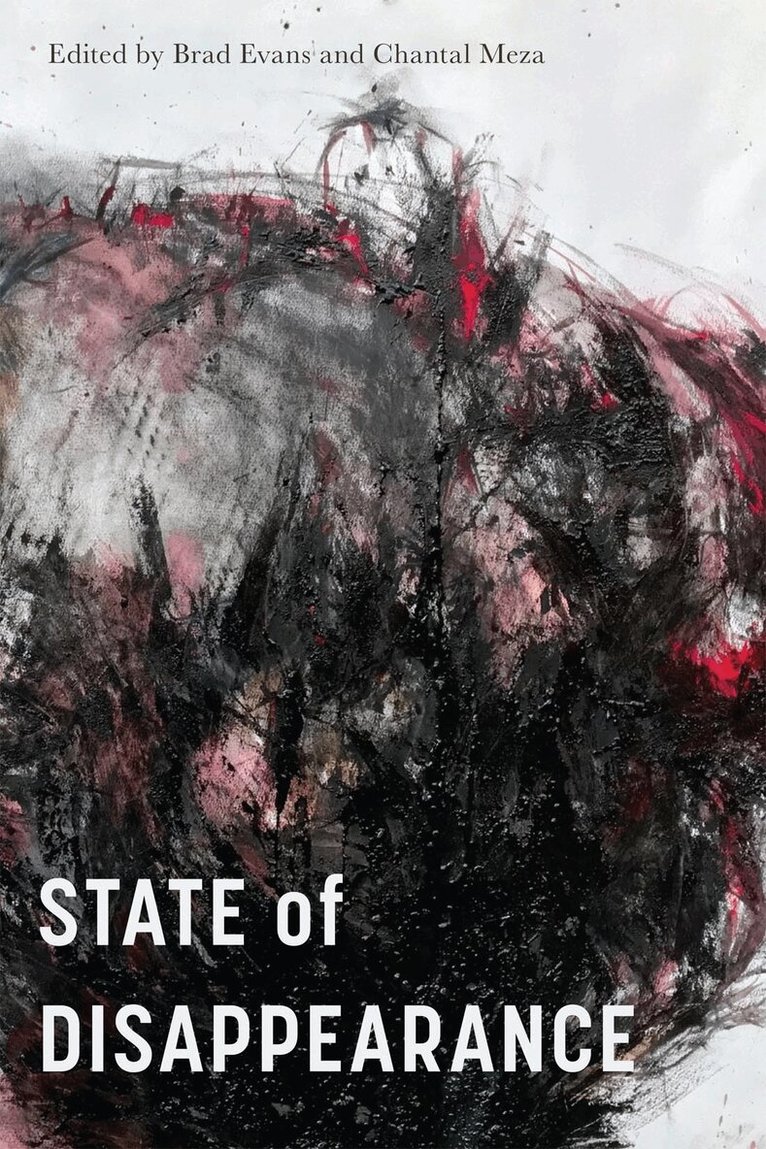
State of Disappearance
Häftad, 2023
385 kr
Lägg i varukorg
Disappearance is marked by a devastating absence. It constitutes a form of violence that rips open a wound in time, offering no viable recovery and no meaningful justice. It provides alibis to perpetrators while denying victims their humanity. For those who are left to live with its presence, the …
State of Disappearance
E-bok, 2023
414 kr
Lägg i varukorg
Disappearance is marked by a devastating absence. It constitutes a form of violence that rips open a wound in time, offering no viable recovery and no meaningful justice. It provides alibis to perpetrators while denying victims their humanity. For those who are left to live with its presence, the …
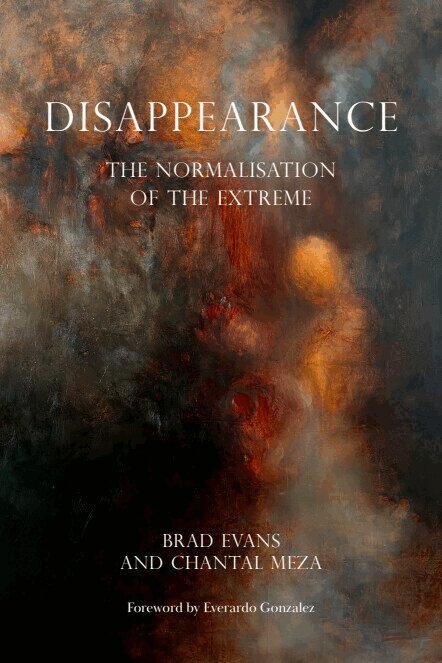
Disappearance
The Normalisation of the Extreme
Häftad, 2026
348 kr
Kommande
What was once a hidden secret defining totalitarian regimes has become the defining problem of our times. Every day, we hear about the disappearance of humans, communities, cultures and life-sustaining ecosystems. Disappearance has even been normalised to the extent that it has become a dominant …
Disappearance
The Normalisation of the Extreme
Inbunden, 2026
1431 kr
Kommande
What was once a hidden secret defining totalitarian regimes has become the defining problem of our times. Every day, we hear about the disappearance of humans, communities, cultures and life-sustaining ecosystems. Disappearance has even been normalised to the extent that it has become a dominant …
State of Disappearance
Inbunden, 2023
1463 kr
Tillfälligt slut
Disappearance is marked by a devastating absence. It constitutes a form of violence that rips open a wound in time, offering no viable recovery and no meaningful justice. It provides alibis to perpetrators while denying victims their humanity. For those who are left to live with its presence, the …
Disappearance
The Normalization of the Extreme
Inbunden, 1900
301 kr
Tillfälligt slut
What was once a hidden secret defining totalitarian regimes has become the defining problem of our times. Every day we encounter stories concerning the disappearance of humans, communities, cultures, and life sustaining ecosystems. Disappearance has also become a dominant theme in popular …