Chappell H. Lawson – författare
Visar alla böcker från författaren Chappell H. Lawson. Handla med fri frakt och snabb leverans.
3 produkter
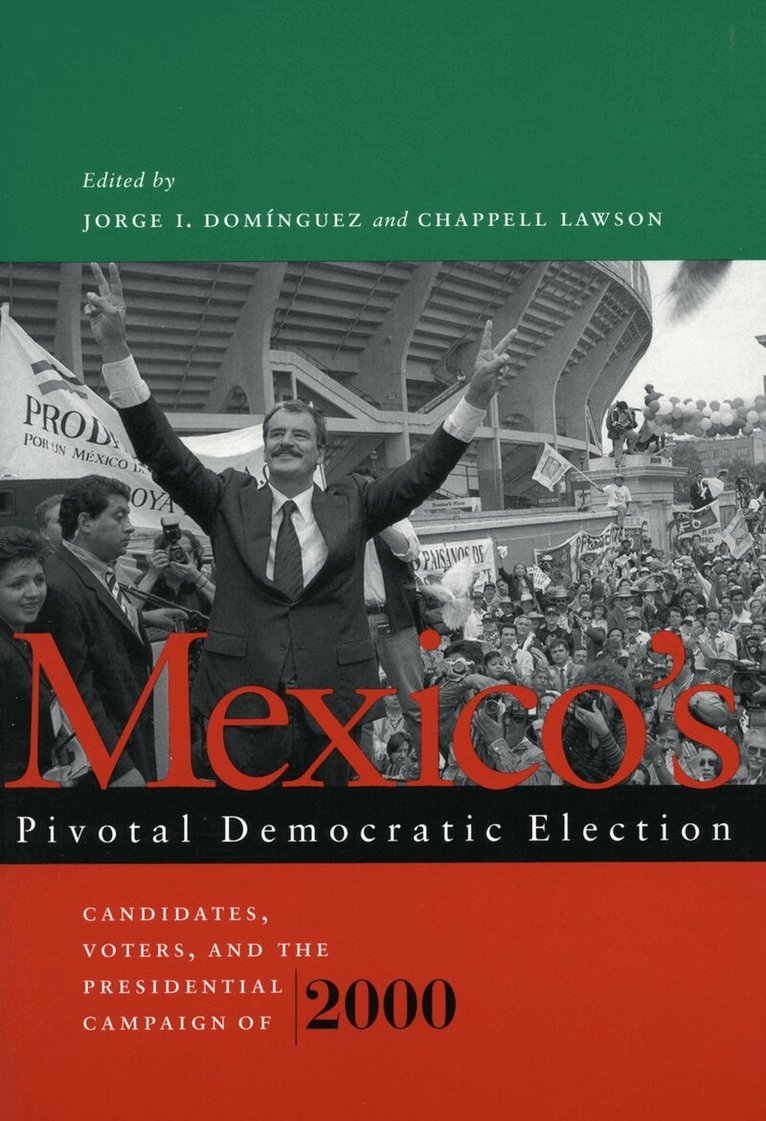
Mexico's Pivotal Democratic Election
Candidates, Voters, and the Presidential Campaign of 2000
Av Jorge I. Dominguez, Chappell H. Lawson
Inbunden, 2003
2035 kr
Lägg i varukorg
The 2000 Mexican presidential race culminated in the election of opposition candidate Vicente Fox and the end of seven decades of one-party rule. This book, which traces changes in public opinion and voter preferences over the course of the race, represents the most comprehensive treatment of …
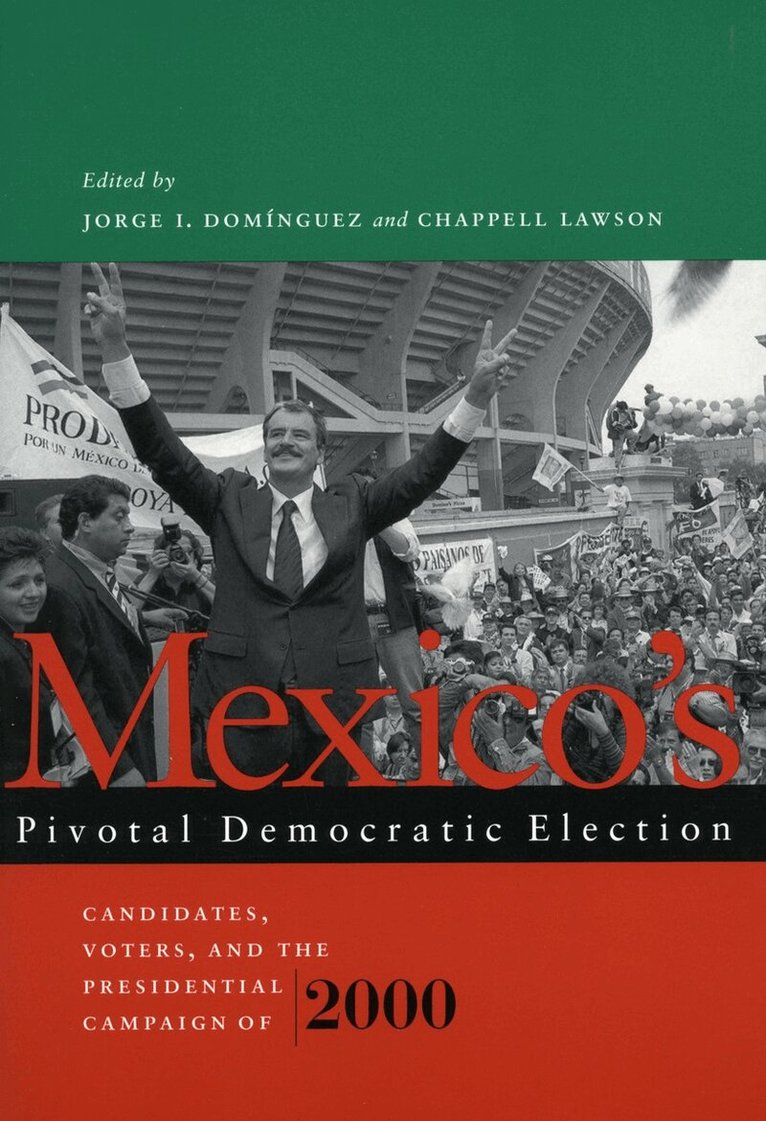
Mexico's Pivotal Democratic Election
Candidates, Voters, and the Presidential Campaign of 2000
Av Jorge I. Dominguez, Chappell H. Lawson
Häftad, 2003
495 kr
Lägg i varukorg
The 2000 Mexican presidential race culminated in the election of opposition candidate Vicente Fox and the end of seven decades of one-party rule. This book, which traces changes in public opinion and voter preferences over the course of the race, represents the most comprehensive treatment of …
Mexico's Evolving Democracy
A Comparative Study of the 2012 Elections
Av Jorge I. Domínguez, Kenneth F. Greene m. fl.
Inbunden, 2015
634 kr
Lägg i varukorg
In 2012, the Institutional Revolutionary Party (PRI) - which had governed Mexico with an iron grip for 71 years before being ousted in 2000 - was surprisingly returned to power. In Mexico's Evolving Democracy, a team of distinguished political scientists delivers an exceptional analysis of the …