Charles F. Reynolds III – författare
Visar alla böcker från författaren Charles F. Reynolds III. Handla med fri frakt och snabb leverans.
5 produkter
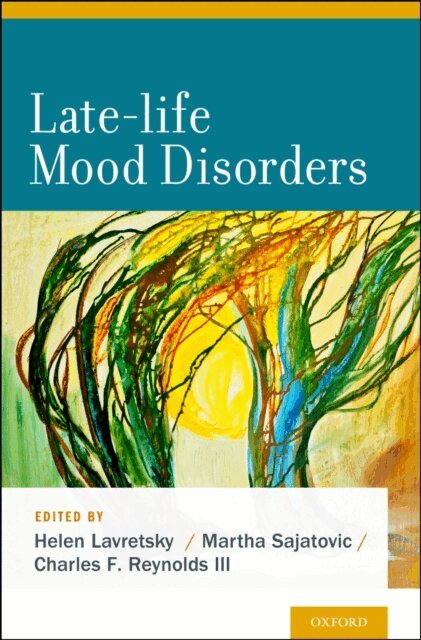
Late-Life Mood Disorders
Av Charles F. Reynolds III, Martha Sajatovic m. fl.
E-bok, 2013
2190 kr
Lägg i varukorg
This book contains a comprehensive review of the current research advances in late life mood disorders. This detailed review reflects the new understanding of neurobiology and psychosocial origins of geriatric mood disorders in the first decade of the 21st Century and is provided by the …
Depression and Anxiety in Later Life
What Everyone Needs to Know
Av Mark D. Miller, Charles F. Reynolds III
Inbunden, 2012
658 kr
Lägg i varukorg
Physical problems and emotional stresses, such as bereavement, health conditions, pain, concerns about the future, side effects of medications, and the accumulated effects of lifestyle choices, may lead to depression or anxiety in older people. However, as Drs. Mark D. Miller and Charles F. …
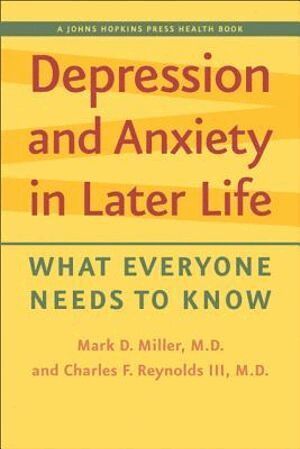
Depression and Anxiety in Later Life
What Everyone Needs to Know
Av Mark D. Miller, Charles F. Reynolds III
Häftad, 2012
290 kr
Lägg i varukorg
Physical problems and emotional stresses, such as bereavement, health conditions, pain, concerns about the future, side effects of medications, and the accumulated effects of lifestyle choices, may lead to depression or anxiety in older people. However, as Drs. Mark D. Miller and Charles F. …
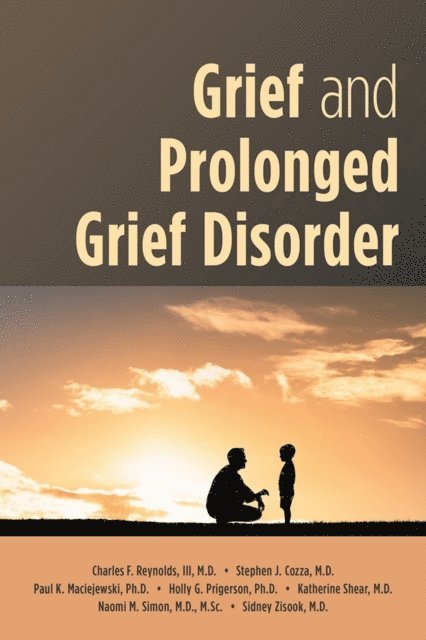
Grief and Prolonged Grief Disorder
Av Charles F. Reynolds III, Stephen J. Cozza m. fl.
Häftad, 2023
754 kr
Lägg i varukorg
Grief and bereavement are a universal part of the human experience. The impact of grief on human lives is increasingly evident as the COVID-19 pandemic, environmental disasters, and—in the United States in particular—gun-related violence upend normal life and expose vast swaths of society to …
Grief and Prolonged Grief Disorder
Av Sidney Zisook, Naomi Simon m. fl.
E-bok, 2023
892 kr
Lägg i varukorg
Grief and bereavement are a universal part of the human experience. The impact of grief on human lives is increasingly evident as the COVID-19 pandemic, environmental disasters, and—in the United States in particular—gun-related violence upend normal life and expose vast swaths of society to …