Charles Goldberg - Böcker
Visar alla böcker från författaren Charles Goldberg. Handla med fri frakt och snabb leverans.
3 produkter
3 produkter
2 150 kr
Skickas inom 10-15 vardagar
This volume explores the role that republican political participation played in forging elite Roman masculinity. It situates familiarly "manly" traits like militarism, aggressive sexuality, and the pursuit of power within a political system based on power sharing and cooperation.In deliberations in the Senate, at social gatherings, and on military campaign, displays of consensus with other men greased the wheels of social discourse and built elite comradery. Through literary sources and inscriptions that offer censorious or affirmative appraisal of male behavior from the Middle and Late Republic (ca. 300–31 BCE) to the Principate or Early Empire (ca. 100 CE), this book shows how the vir bonus, or "good man," the Roman persona of male aristocratic excellence, modulated imperatives for personal distinction and military and sexual violence with political cooperation and moral exemplarity. While the advent of one-man rule in the Empire transformed political power relations, ideals forged in the Republic adapted to the new climate and provided a coherent model of masculinity for emperor and senator alike. Scholars often paint a picture of Republic and Principate as distinct landscapes, but enduring ideals of male self-fashioning constitute an important continuity.Roman Masculinity and Politics from Republic to Empire provides a fascinating insight into the intertwined nature of masculinity and political power for anyone interested in Roman political and social history, and those working on gender in the ancient world more broadly.
593 kr
Skickas inom 10-15 vardagar
This volume explores the role that republican political participation played in forging elite Roman masculinity. It situates familiarly "manly" traits like militarism, aggressive sexuality, and the pursuit of power within a political system based on power sharing and cooperation.In deliberations in the Senate, at social gatherings, and on military campaign, displays of consensus with other men greased the wheels of social discourse and built elite comradery. Through literary sources and inscriptions that offer censorious or affirmative appraisal of male behavior from the Middle and Late Republic (ca. 300–31 BCE) to the Principate or Early Empire (ca. 100 CE), this book shows how the vir bonus, or "good man," the Roman persona of male aristocratic excellence, modulated imperatives for personal distinction and military and sexual violence with political cooperation and moral exemplarity. While the advent of one-man rule in the Empire transformed political power relations, ideals forged in the Republic adapted to the new climate and provided a coherent model of masculinity for emperor and senator alike. Scholars often paint a picture of Republic and Principate as distinct landscapes, but enduring ideals of male self-fashioning constitute an important continuity.Roman Masculinity and Politics from Republic to Empire provides a fascinating insight into the intertwined nature of masculinity and political power for anyone interested in Roman political and social history, and those working on gender in the ancient world more broadly.
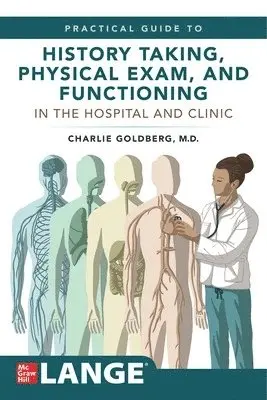
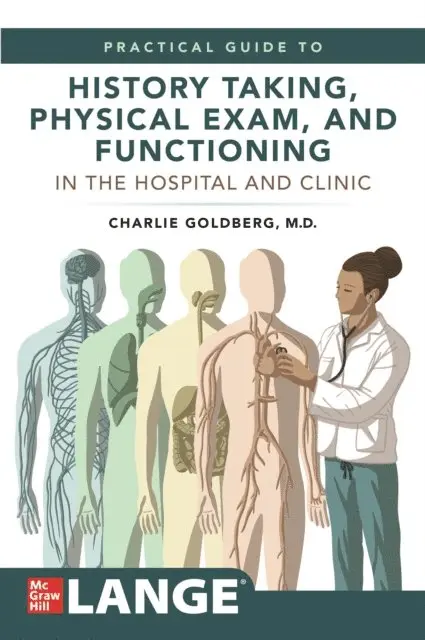
Lange's Practical Guide to History Taking, Physical Exam, and Functioning in the Hospital and Clinic
Häftad, Engelska, 2024
747 kr
Skickas inom 3-6 vardagar
By approaching clinical medicine in a practical and demystified fashion, this engaging, focused guide helps you master your most important everyday tasksThe clinical exam is a tangible way of truly being with another person while collecting key information. Humans are delightfully quirky, such that the way in which they describe symptoms often requires an open and tuned-in human ear to truly understand and contextualize their stories. Physical connection, providing comfort and healing through touch, can only be delivered when you are next to another living soul. Helping others through medicine is an immensely rewarding activity and being connected to someone, hearing their stories, and guiding their care in a hands-on manner, is a unique privilege that we should all hold onto tightly. With its pragmatic approach, Lange’s History Taking Handbook, Physical Exam, and Functioning in the Hospital and Clinic helps make the learning process both fun and rewarding. Core behaviors are described which have diagnostic utility and prolonged applicability, even in a technology driven world. There are always new techniques to learn and unusual findings to incorporate into your personal libraries of medical experience. However, unless you take the time to build a solid foundation, you will never have confidence in the accuracy and value of what you can uncover with a sharp mind, attentive ear, agile fingers, and a few simple tools!Every section is constructed to answer the question: "What do I really need to know about this area?"The material is presented in a concise, bulleted fashion that is easy to read and follow. The focus is on skills and approaches, which should be readily applicable during clinical encounters.Exam techniques are described in step-by-step detail. Special maneuvers that are occasionally utilized are also described, as well as when they should be implemented.Photos and illustrations are incorporated to make the descriptions and techniques easier to understand and apply.There are chapters dedicated to every major organ system. In addition, care of specific patient groups are covered, including three chapters dedicated to pediatrics (Newborn, Toddler/Child and Adolescence), LGBTQ+ Health, and Geriatrics.Every chapter contains Pearls to draw attention to particularly noteworthy elements. Findings and their Meanings are provided, which highlight common abnormalities that might be identified as well as their clinical significance. Tables and charts are used throughout, to allow the reader to more easily identify key points and make connections and comparisons. Clinical Connection illustrations further highlight the link between historical information, exam findings, and common disorders. Diagnoses at a Glance are provided in tables that emphasize the symptoms, findings and pathology associated with common disorders within an organ system.Each section has Telehealth Tips highlighting the ways in which this growing modality might be utilized to evaluate specific organ systems and symptoms. There is also a chapter dedicated to Telehealth which provides core information that is broadly applicable to typical telehealth visits.Checklists at the end of each chapter highlight the core aspects of each organ system exam. Detailed descriptions of how to function in clinical settings are provided, including Oral Presentations and Documentation (e.g., note writing) in the Hospital.