Charles H. Adler – författare
Visar alla böcker från författaren Charles H. Adler. Handla med fri frakt och snabb leverans.
4 produkter
4 produkter
Inbunden, Engelska, 2000
3 132 kr
Skickas inom 10-15 vardagar
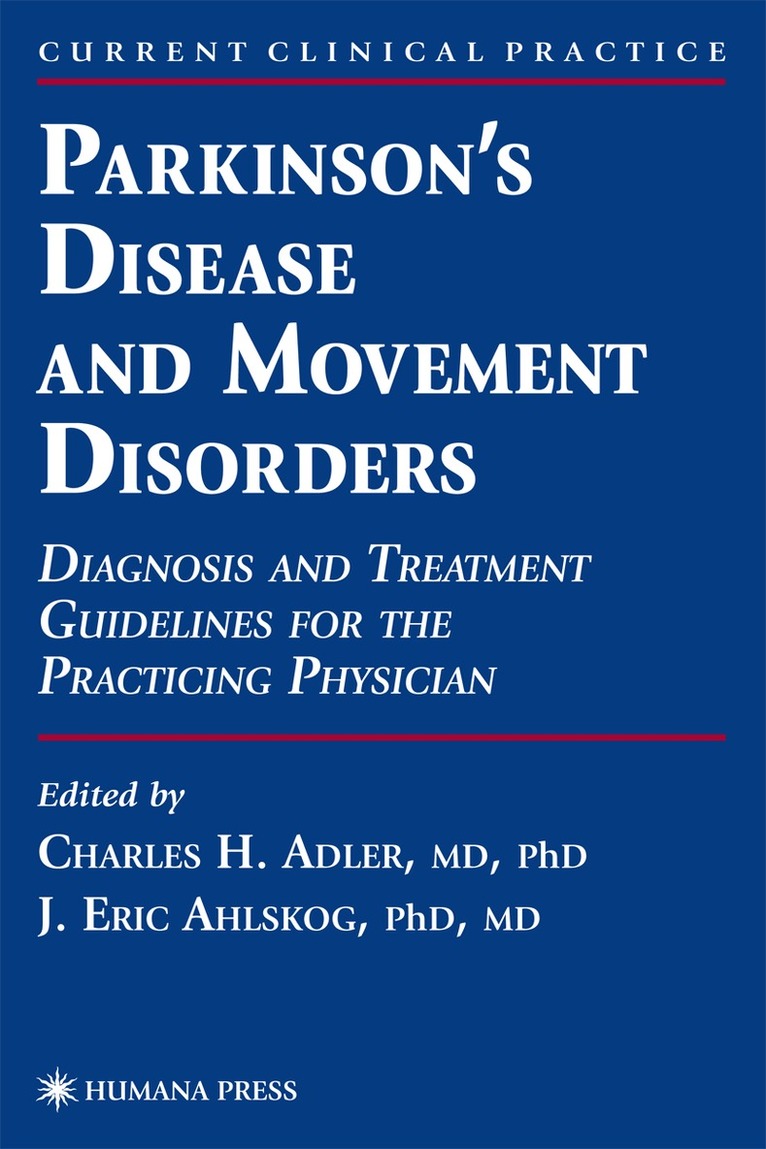
The field of movement disorders is relatively broad, encompassing disorders of increased movement, such as tremors, dystonia, and tics, to disorders characterized by a paucity of movement, such as Parkinson's disease. Our understanding of the pathogenic mechanisms and our treatment options are expanding at a rapid pace. This expansion ranges from the medical and surgical advances in treating Parkinson's disease to the flood of genetic abnormalities that have now been found to cause various movement disorders. Although many patients are seen by the movement disorders specialist in neurology clinics around the country, most of these patients receive their followup care from a primary care physician or "general" neurologist who must be versed in the character istics and treatment plans of this diverse group of disorders. The major goal of Parkinson's Disease and Movement Disorders: Diagnosis and Treatment Guidelines for the Practicing Physician is to distill this immense amount of information and to educate the practitioner about the many facets of the movement disorders field. We believe that this book fills a large void, since most texts on movement disorders are more detailed and geared toward the specialist. We have asked the chapter authors to emphasize the clinical characteristics of each disorder, discuss the differential diagnosis and the diagnostic testing, and then outline the various treatment options, as if they were teaching during a preceptorship in their clinic.
Engelska, 2013
625 kr
Skickas inom 5-8 vardagar
E-bok
PDF, Engelska, 20003 809 kr
Läs direkt efter köp
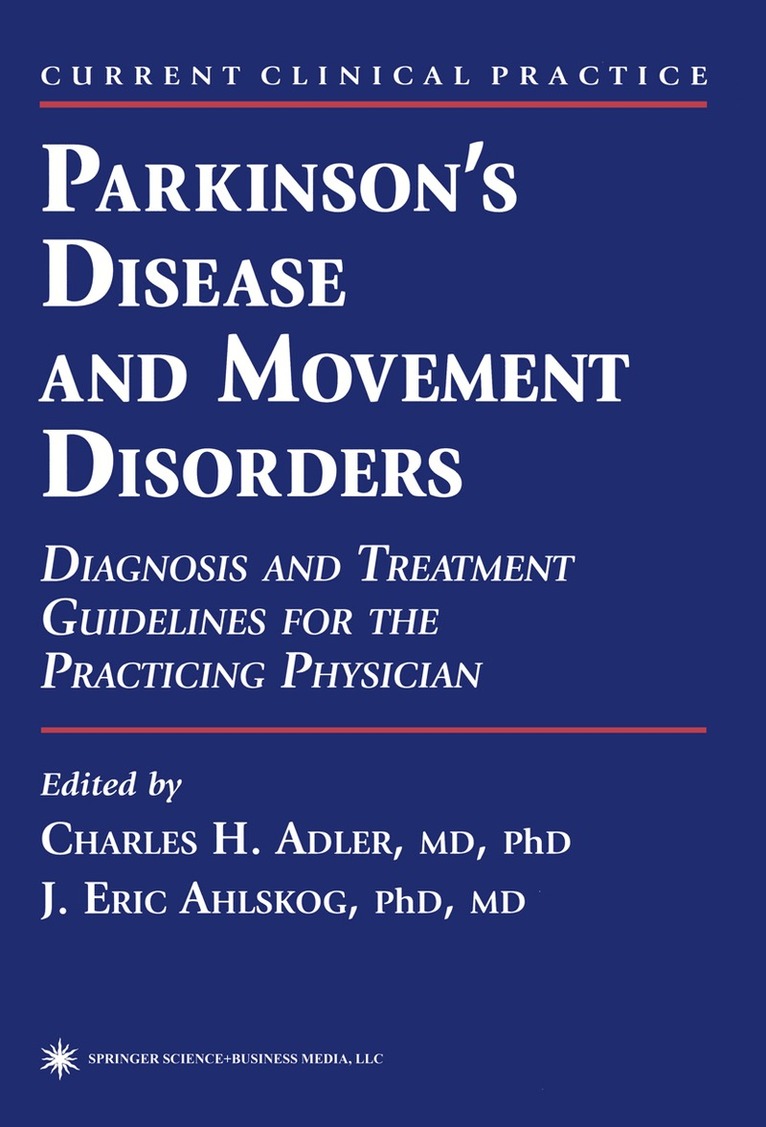
The field of movement disorders is relatively broad, encompassing disorders of increased movement, such as tremors, dystonia, and tics, to disorders characterized by a paucity of movement, such as Parkinson''s disease. Our understanding of the pathogenic mechanisms and our treatment options are expanding at a rapid pace. This expansion ranges from the medical and surgical advances in treating Parkinson''s disease to the flood of genetic abnormalities that have now been found to cause various movement disorders. Although many patients are seen by the movement disorders specialist in neurology clinics around the country, most of these patients receive their followup care from a primary care physician or "general" neurologist who must be versed in the character istics and treatment plans of this diverse group of disorders. The major goal of Parkinson''s Disease and Movement Disorders: Diagnosis and Treatment Guidelines for the Practicing Physician is to distill this immense amount of information and to educate the practitioner about the many facets of the movement disorders field. We believe that this book fills a large void, since most texts on movement disorders are more detailed and geared toward the specialist. We have asked the chapter authors to emphasize the clinical characteristics of each disorder, discuss the differential diagnosis and the diagnostic testing, and then outline the various treatment options, as if they were teaching during a preceptorship in their clinic.
Häftad, Engelska, 2010
2 457 kr
Skickas inom 5-8 vardagar
The field of movement disorders is relatively broad, encompassing disorders of increased movement, such as tremors, dystonia, and tics, to disorders characterized by a paucity of movement, such as Parkinson's disease. Our understanding of the pathogenic mechanisms and our treatment options are expanding at a rapid pace. This expansion ranges from the medical and surgical advances in treating Parkinson's disease to the flood of genetic abnormalities that have now been found to cause various movement disorders. Although many patients are seen by the movement disorders specialist in neurology clinics around the country, most of these patients receive their followup care from a primary care physician or "general" neurologist who must be versed in the character istics and treatment plans of this diverse group of disorders. The major goal of Parkinson's Disease and Movement Disorders: Diagnosis and Treatment Guidelines for the Practicing Physician is to distill this immense amount of information and to educate the practitioner about the many facets of the movement disorders field. We believe that this book fills a large void, since most texts on movement disorders are more detailed and geared toward the specialist. We have asked the chapter authors to emphasize the clinical characteristics of each disorder, discuss the differential diagnosis and the diagnostic testing, and then outline the various treatment options, as if they were teaching during a preceptorship in their clinic.