Charles Horner – författare
Visar alla böcker från författaren Charles Horner. Handla med fri frakt och snabb leverans.
6 produkter
6 produkter
363 kr
Läs direkt efter köp
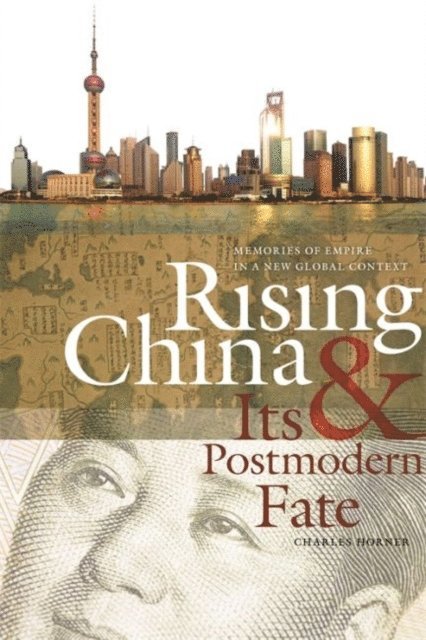
China's sense of today and its view of tomorrow are both rooted in the past—and we need to understand that connection, says China scholar Charles Horner. In Rising China and Its Postmodern Fate, Horner offers a new interpretation of how China's changed view of its modern historical experience has also changed China's understanding of its long intellectual and cultural tradition. Spirited reevaluations of history, strategy, commerce, and literature are cooperating—and competing—to define the future.The capstone of modern China was the founding of the People's Republic in 1949 and its rejection of Confucianism, capitalism, and modernity. Yet today's rising China retains few vestiges of what Mao wrought. What then, Horner asks, is post-Mao, postmodern China? Where did it come from? How did it get here? Where is it going?Contemporary views of the great periods in Chinese history are having a significant influence on the development of rising China's national strategy, says Horner. He looks at the revival of interest in, and changing interpretations of, three dynasties—the Yuan (1272-1368), the Ming (1368-1644), and the Qing (1644-1912)—that, together with the People's Republic of China, provide examples of great power success.The future of every major country is now connected to China's, and this book explains how China, now seeing itself as the complex and thriving result of the old and the new, is poised to change the world.
E-bok
PDF, Engelska, 2010427 kr
Läs direkt efter köp
China's sense of today and its view of tomorrow are both rooted in the past-and we need to understand that connection, says China scholar Charles Horner. In Rising China and Its Postmodern Fate, Horner offers a new interpretation of how China's changed view of its modern historical experience has also changed China's understanding of its long intellectual and cultural tradition. Spirited reevaluations of history, strategy, commerce, and literature are cooperating-and competing-to define the future.The capstone of modern China was the founding of the People's Republic in 1949 and its rejection of Confucianism, capitalism, and modernity. Yet today's rising China retains few vestiges of what Mao wrought. What then, Horner asks, is post-Mao, postmodern China? Where did it come from? How did it get here? Where is it going?Contemporary views of the great periods in Chinese history are having a significant influence on the development of rising China's national strategy, says Horner. He looks at the revival of interest in, and changing interpretations of, three dynasties-the Yuan (1272-1368), the Ming (1368-1644), and the Qing (1644-1912)-that, together with the People's Republic of China, provide examples of great power success.The future of every major country is now connected to China's, and this book explains how China, now seeing itself as the complex and thriving result of the old and the new, is poised to change the world.
Häftad, Engelska, 2018
298 kr
Skickas inom 5-8 vardagar
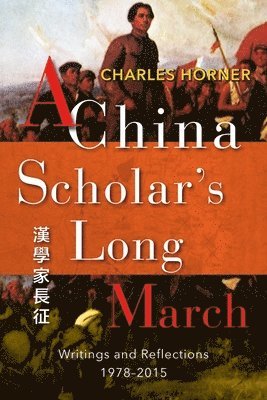
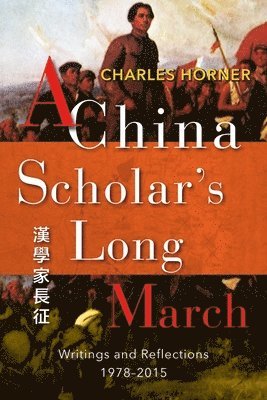
A China Scholar’ Long March is a collection of fifty pieces written between 1978 and 2015 by Charles Horner, a China Scholar, a former U.S. government official, and the author of the two-volume work Rising China and Its Postmodern Fate. The pieces originally appeared in general interest publications such as The American Interest, The National Interest, and Commentary; in newspapers like the New York Times, the Wall Street Journal, and the Washington Post; and in some more specialized periodicals such as China Heritage Quarterly and the Naval War College Review.The first piece dates from 1978, when the so-called ‘Rise of China’ was about to begin and, as such, Horner’s writings span a generation of China’s trying to make sense of its own rise and of American scholars and commentators trying to make sense of it also. Horner’s 1992 article, ‘China on the Rise’ is now bracketed, a quarter century later, by a growing sense that the so-called Rise of China is coming to an end, and that a generation of commentary about it is about to come to an end along with it.
Inbunden, Engelska, 2015
2 166 kr
Skickas inom 5-8 vardagar
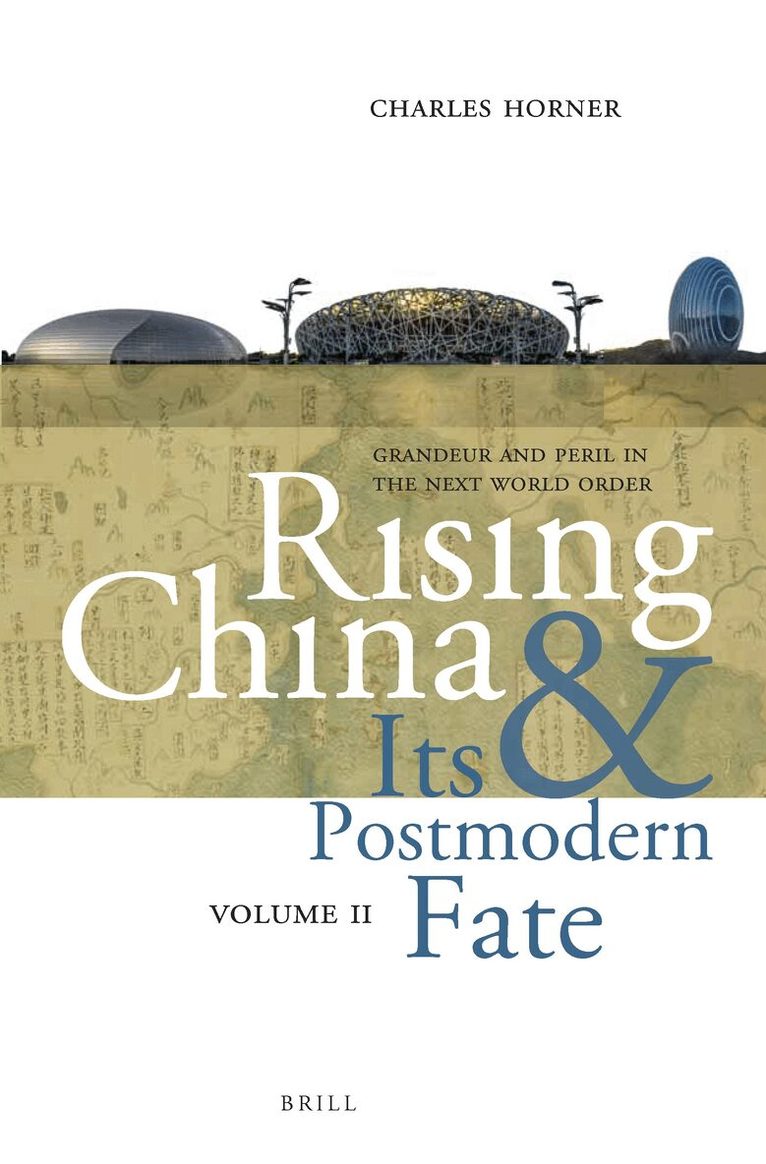
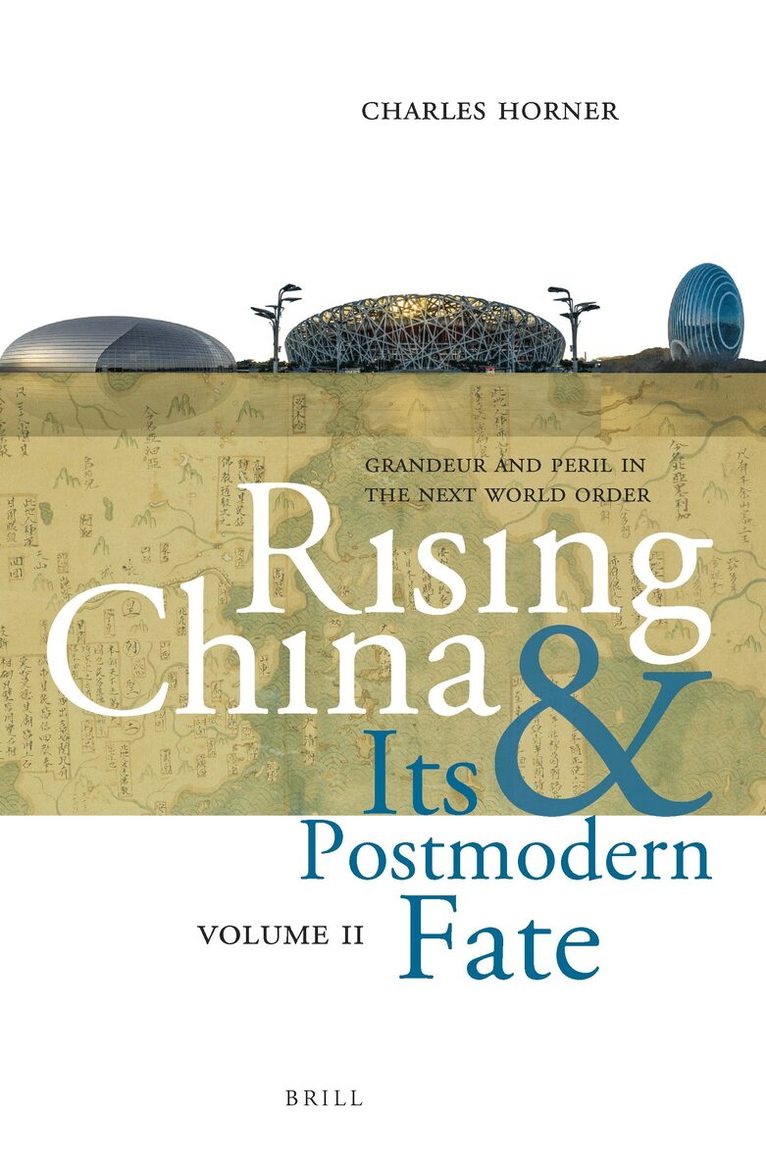
In Volume II of his study, Rising China and Its Postmodern Fate, Charles Horner continues his examination of how China’s continuously changing view of its modern historical experience is also changing its understanding of its long intellectual and cultural tradition. He reflects on China's current rise, not as an anomaly, but as part of a long tradition of dramatic transformations and he therefore looks at many different Chinas as they interact with various world systems and ever-changing trends. He sees China’s formation of its future Grand Strategy as a creative intellectual activity which draws on the strategic imagination that can be found in history, literature, art, architecture and urban planning.
E-bok
PDF, Engelska, 20152 502 kr
Läs direkt efter köp
In Volume II of his study, Rising China and Its Postmodern Fate, Charles Horner continues his examination of how China's continuously changing view of its modern historical experience is also changing its understanding of its long intellectual and cultural tradition. He reflects on China's current rise, not as an anomaly, but as part of a long tradition of dramatic transformations and he therefore looks at many different Chinas as they interact with various world systems and ever-changing trends. He sees China's formation of its future Grand Strategy as a creative intellectual activity which draws on the strategic imagination that can be found in history, literature, art, architecture and urban planning.
Häftad, Engelska, 2016
724 kr
Skickas inom 5-8 vardagar
In Volume II of his study, Rising China and Its Postmodern Fate, Charles Horner continues his examination of how China’s continuously changing view of its modern historical experience is also changing its understanding of its long intellectual and cultural tradition. He reflects on China's current rise, not as an anomaly, but as part of a long tradition of dramatic transformations and he therefore looks at many different Chinas as they interact with various world systems and ever-changing trends. He sees China’s formation of its future Grand Strategy as a creative intellectual activity which draws on the strategic imagination that can be found in history, literature, art, architecture and urban planning.