Charles Ingrao - Böcker
Visar alla böcker från författaren Charles Ingrao. Handla med fri frakt och snabb leverans.
4 produkter
4 produkter
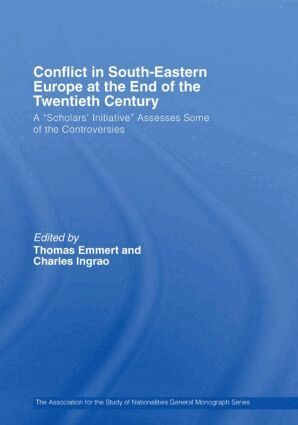
Conflict in Southeastern Europe at the End of the Twentieth Century
A "Scholars' Initiative" Assesses Some of the Controversies
Inbunden, Engelska, 2006
1 473 kr
Skickas inom 10-15 vardagar
The dissolution of Yugoslavia and the tragic wars that followed continue to engage scholars throughout the region and the world. Ever since the fall of Slobodan Miloševic, the Scholars’ Initiative, an international consortium of over 250 scholars, has endeavored to study the period 1986-2000 as critically and objectively as possible. It believes that ongoing research, discussion, and publication of its work will help bridge the chasm that separates serious historical scholarship from those interpretations that nationalist politicians and media in the former Yugoslavia have impressed on their populations. This collection of articles reflects new research by ten of the Initiative’s scholars and offers analysis of a wide spectrum of issues. It examines the roots of the violent collapse of Yugoslavia, considers the impact of the dissolution on minority groups, tackles some of the controversies concerning Kosovo, evaluates the most recent evidence in the controversy concerning responsibility for the deadly artillery attacks against civilians during the long siege of Sarajevo, assesses the performance of the International Criminal Tribunal for the former Yugoslavia in its trial of Miloševic, and examines the very sensitive process in Serbia of facing its violent past in the aftermath of the tragedy. This book was previously published as a special issue of Nationalities Papers.
Conflict in Southeastern Europe at the End of the Twentieth Century
A "Scholars' Initiative" Assesses Some of the Controversies
Häftad, Engelska, 2016
454 kr
Skickas inom 10-15 vardagar
The dissolution of Yugoslavia and the tragic wars that followed continue to engage scholars throughout the region and the world. Ever since the fall of Slobodan Miloševic, the Scholars’ Initiative, an international consortium of over 250 scholars, has endeavored to study the period 1986-2000 as critically and objectively as possible. It believes that ongoing research, discussion, and publication of its work will help bridge the chasm that separates serious historical scholarship from those interpretations that nationalist politicians and media in the former Yugoslavia have impressed on their populations. This collection of articles reflects new research by ten of the Initiative’s scholars and offers analysis of a wide spectrum of issues. It examines the roots of the violent collapse of Yugoslavia, considers the impact of the dissolution on minority groups, tackles some of the controversies concerning Kosovo, evaluates the most recent evidence in the controversy concerning responsibility for the deadly artillery attacks against civilians during the long siege of Sarajevo, assesses the performance of the International Criminal Tribunal for the former Yugoslavia in its trial of Miloševic, and examines the very sensitive process in Serbia of facing its violent past in the aftermath of the tragedy. This book was previously published as a special issue of Nationalities Papers.
409 kr
Skickas inom 11-20 vardagar
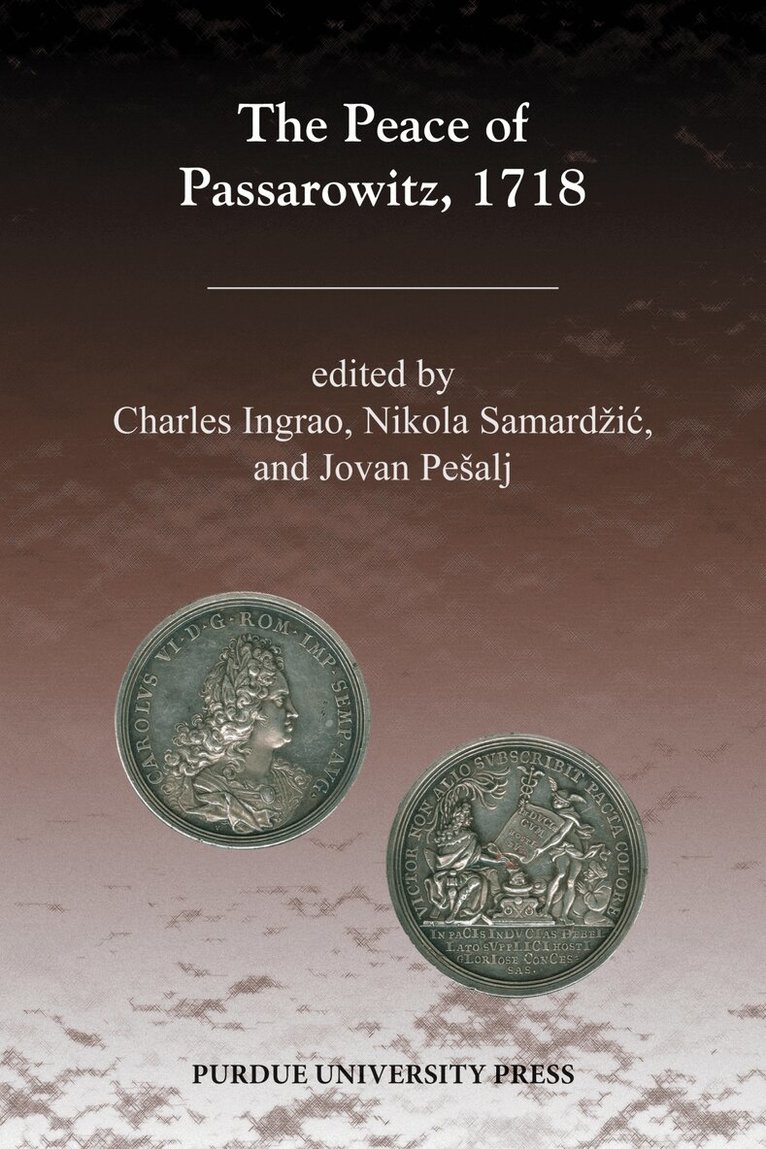
In the late spring of 1718 near the village of Požarevac (German Passarowitz) in northern Serbia, freshly conquered by Habsburg forces, three delegations representing the Holy Roman Emperor, Ottoman Sultan, and the Republic of Venice gathered to end the conflict that had begun three and a half years earlier. The fighting had spread throughout southeastern Europe, from Hungary to the southernmost tip of the Peloponnese. The peace redrew the map of the Balkans, extending the reach of Habsburg power, all but expelling Venice from the Greek mainland, and laying the foundations for Ottoman revitalisation during the Tulip period. In this volume, twenty specialists analyse the military background to and political context of the peace congress and treaty. They assess the immediate significance of the Peace of Passarowitz and its longer term influence on the society, demography, culture, and economy of central Europe.
433 kr
Skickas inom 10-15 vardagar
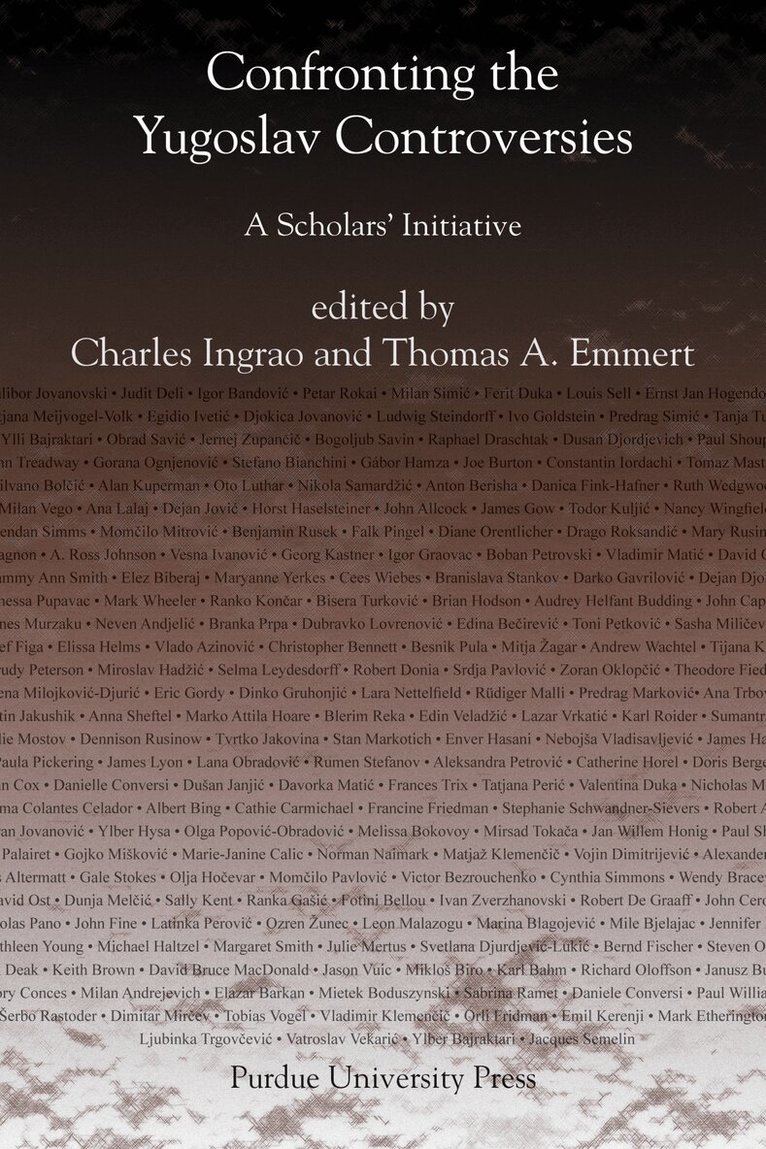
It has been two decades since Yugoslavia fell apart. The brutal conflicts that followed its dissolution are over, but the legacy of the tragedy continues to unsettle the region. Reconciliation is a long and difficult process that necessitates a willingness to work together openly and objectively in confronting the past. Over the past ten years the Scholars’ Initiative has assembled an international consortium of historians, social scientists, and jurists to examine the salient controversies that still divide the peoples of former Yugoslavia. The findings of its eleven research teams represent a direct assault on the proprietary narratives and interpretations that nationalist politicians and media have impressed on mass culture in each of the successor states. Given gaps in the historical record and the existence of sometimes contradictory evidence, this volume does not pretend to resolve all of the outstanding issues. Nevertheless, this second edition incorporates new evidence and major developments that have taken place in the region since the first edition went to press. At the heart of this project has always been the insistence of the authors that they would continue to reconsider their analyses and conclusions based on credible new evidence. Thus, in this second edition, the work of the Scholars' Initiative continues. The broadly conceived synthesis will assist scholars, public officials, and the people they represent both in acknowledging inconvenient facts and in discrediting widely held myths that inform popular attitudes and the electoral success of nationalist politicians who profit from them. Rather than rely on special pleading and appeals to patriotism that have no place in scholarship, the volume vests its credibility in the scientific credentials of its investigators, the transparent impartiality of its methodology, and an absolute commitment to soliciting and examining evidence presented by all sides.