Charles Price - Böcker
Visar alla böcker från författaren Charles Price. Handla med fri frakt och snabb leverans.
7 produkter
7 produkter
381 kr
Skickas inom 5-8 vardagar
912 kr
Skickas inom 10-15 vardagar
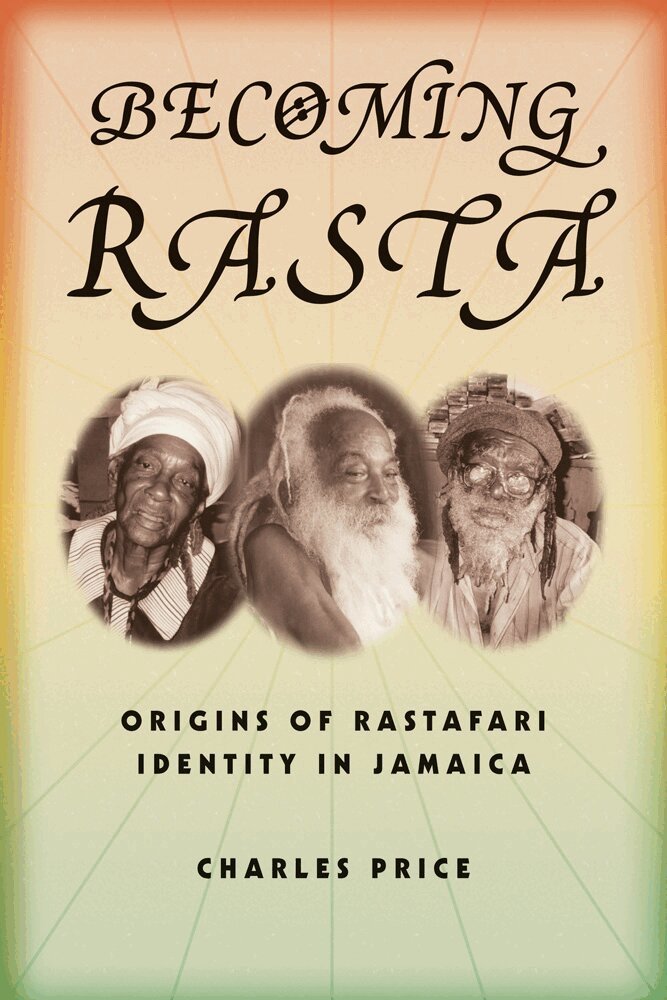
An exploration into why and how Jamaicans become Rastafari in spite of increasing incrimination of the religionSo much has been written about the Rastafari, yet we know so little about why and how people join the Rastafari movement. Although popular understandings evoke images of dreadlocks, reggae, and marijuana, Rastafarians were persecuted in their country, becoming a people seeking social justice. Yet new adherents continued to convert to Rastafari despite facing adverse reactions from their fellow citizens and from their British rulers.Charles Price draws on in-depth interviews to reveal the personal experiences of those who adopted the religion in the 1950s to 1970s, one generation past the movement's emergence. By talking with these Rastafari elders, he seeks to understand why and how Jamaicans became Rastafari in spite of rampant discrimination, and what sustains them in their faith and identity.Utilizing new conceptual frameworks, Price explores the identity development of Rastafari, demonstrating how shifts in the movement's identity—from social pariah to exemplar of Blackness—have led some of the elder Rastafari to adopt, embrace, and internalize Rastafari and blackness as central to their concept of self.
361 kr
Skickas inom 7-10 vardagar
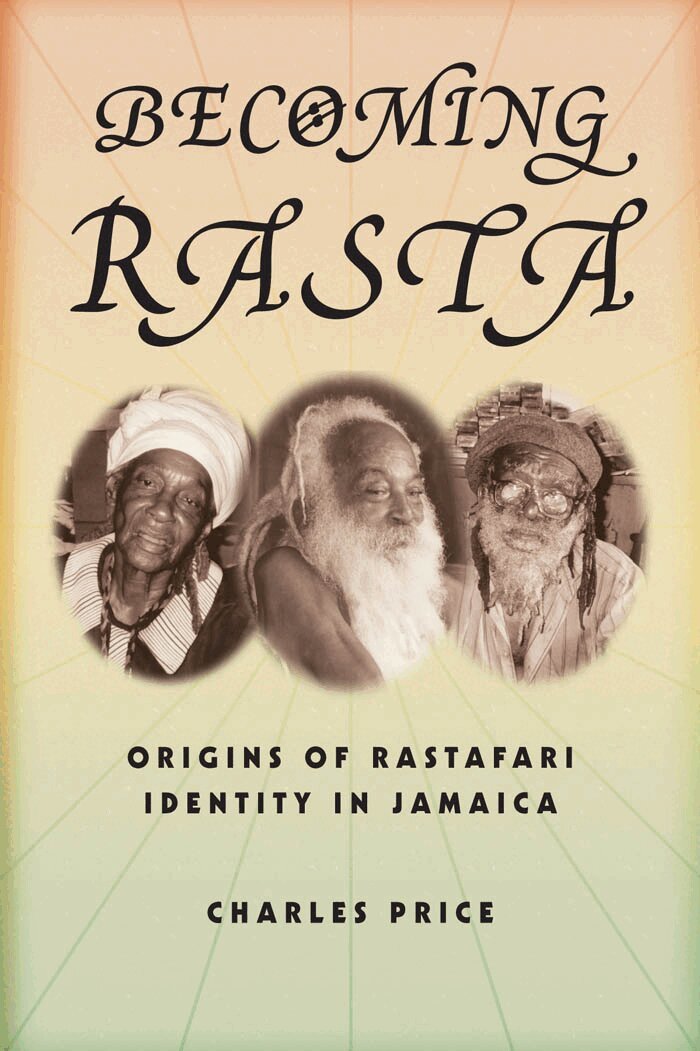
An exploration into why and how Jamaicans become Rastafari in spite of increasing incrimination of the religionSo much has been written about the Rastafari, yet we know so little about why and how people join the Rastafari movement. Although popular understandings evoke images of dreadlocks, reggae, and marijuana, Rastafarians were persecuted in their country, becoming a people seeking social justice. Yet new adherents continued to convert to Rastafari despite facing adverse reactions from their fellow citizens and from their British rulers.Charles Price draws on in-depth interviews to reveal the personal experiences of those who adopted the religion in the 1950s to 1970s, one generation past the movement's emergence. By talking with these Rastafari elders, he seeks to understand why and how Jamaicans became Rastafari in spite of rampant discrimination, and what sustains them in their faith and identity.Utilizing new conceptual frameworks, Price explores the identity development of Rastafari, demonstrating how shifts in the movement's identity—from social pariah to exemplar of Blackness—have led some of the elder Rastafari to adopt, embrace, and internalize Rastafari and blackness as central to their concept of self.
444 kr
Skickas inom 3-6 vardagar
952 kr
Skickas inom 10-15 vardagar
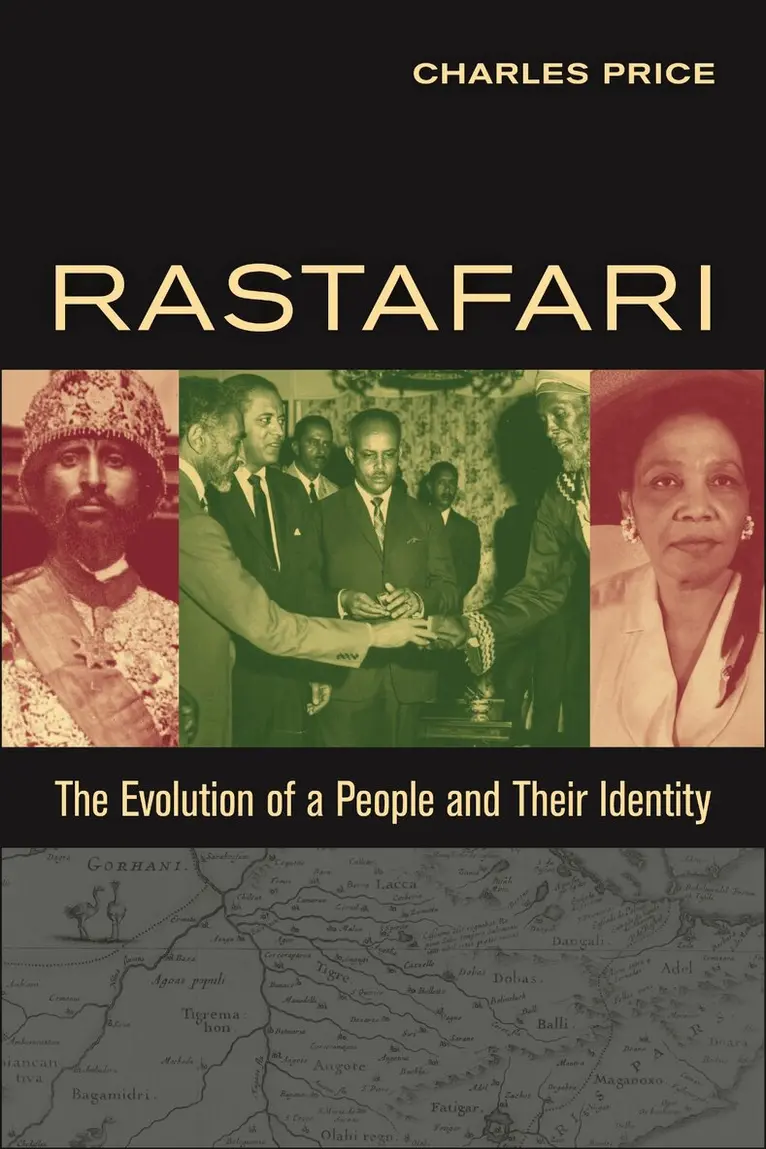
Illuminates how the Rastafari movement managed to evolve in the face of severe biases Misunderstood, misappropriated, belittled: though the Rastafari feature frequently in media and culture, they have most often been misrepresented, their political and religious significance minimized. But they have not been vanquished.Charles Price's Rastafari: The Evolution of a People and Their Identity reclaims the rich history of this relatively new world religion. Charting its humble and rebellious roots in Jamaica's backcountry in the late nineteenth century to the present day, Price explains how Jamaicans' obsession with the Rastafari wavered from campaigns of violence to appeasement and cooptation. Indeed, he argues that the Rastafari as a political, religious, and cultural movement survived the biases and violence they faced through their race consciousness and uncanny ability to ride the waves of anti-colonialism and Black Power. This social movement traveled throughout the Caribbean, Africa, Central America, and the United States, capturing the heart and imagination of much of the African diaspora. Rastafari spans the movement's struggle for autonomy, its multiple campaigns for repatriation to Africa, and its leading role in the Black consciousness movements of the twentieth century. Not satisfied with simply narrating the past, Rastafari also takes on the challenges of gender equality and the commodification of Rastafari culture in the twenty-first century without abandoning its message of equality and empowering the downpressed. Rastafari shows how this cultural and political context helped to shape the development of a Black collective identity, demonstrating how Rastafarians confronted society-wide ridicule and oppression and emerged prouder and more united, steadfast in their conviction that they were a chosen people.
334 kr
Skickas
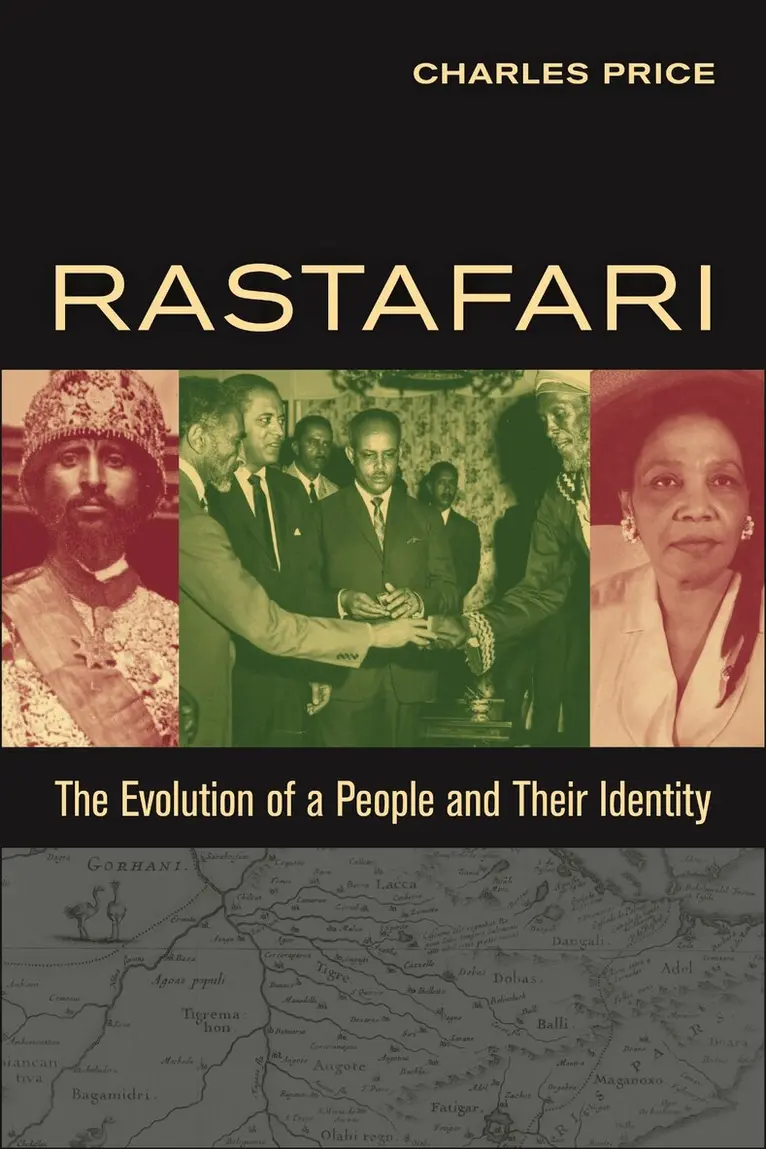
Illuminates how the Rastafari movement managed to evolve in the face of severe biases Misunderstood, misappropriated, belittled: though the Rastafari feature frequently in media and culture, they have most often been misrepresented, their political and religious significance minimized. But they have not been vanquished.Charles Price's Rastafari: The Evolution of a People and Their Identity reclaims the rich history of this relatively new world religion. Charting its humble and rebellious roots in Jamaica's backcountry in the late nineteenth century to the present day, Price explains how Jamaicans' obsession with the Rastafari wavered from campaigns of violence to appeasement and cooptation. Indeed, he argues that the Rastafari as a political, religious, and cultural movement survived the biases and violence they faced through their race consciousness and uncanny ability to ride the waves of anti-colonialism and Black Power. This social movement traveled throughout the Caribbean, Africa, Central America, and the United States, capturing the heart and imagination of much of the African diaspora. Rastafari spans the movement's struggle for autonomy, its multiple campaigns for repatriation to Africa, and its leading role in the Black consciousness movements of the twentieth century. Not satisfied with simply narrating the past, Rastafari also takes on the challenges of gender equality and the commodification of Rastafari culture in the twenty-first century without abandoning its message of equality and empowering the downpressed. Rastafari shows how this cultural and political context helped to shape the development of a Black collective identity, demonstrating how Rastafarians confronted society-wide ridicule and oppression and emerged prouder and more united, steadfast in their conviction that they were a chosen people.
114 kr
Skickas inom 7-10 vardagar