Inbunden, Engelska, 1979
580 kr
Skickas inom 10-15 vardagar
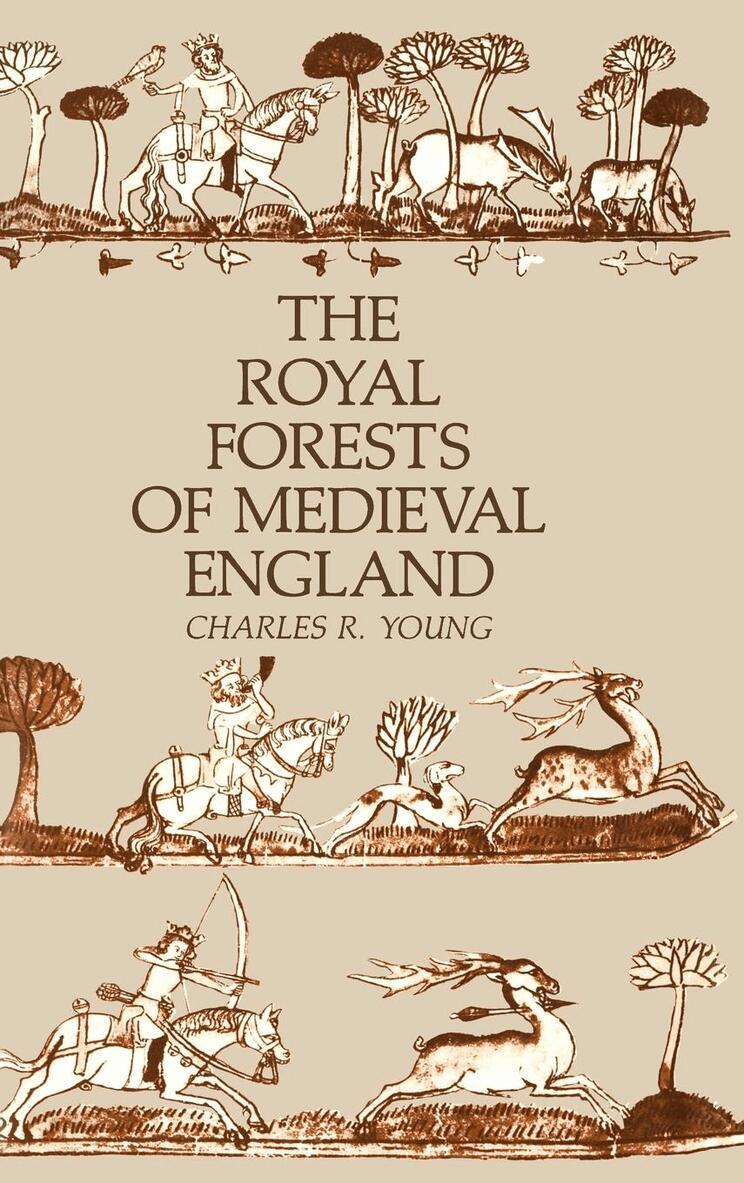
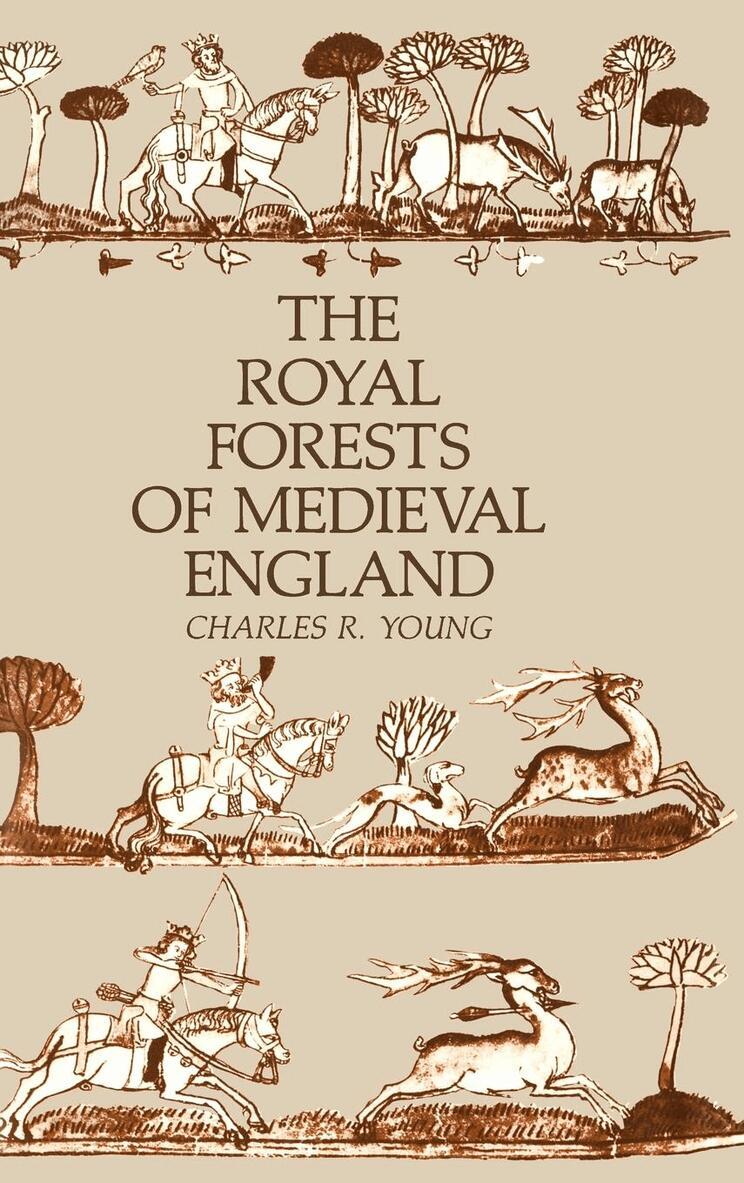
The distinction between the forest and the trees is fundamental to this study, for the royal forest of medieval England was a complex institution with legal, political, economic, and social significance. To protect the "beasts of the forest" and their habitat, initially for the king's hunting and later for economic exploitation, an elaborate organization of officials and courts administered a system of "forest law" that was unique to medieval England.The subject can first be studied in detail in the records and chronicles of the Angevin kings, which reflect the restless activity of Henry II and his growing corps of officials that led to the expansion of the area designated as royal forest. At its height in the thirteenth century, an estimated one-fourth of the land area of England and its riches came under the special jurisdiction of forest law.Barons whose holdings lay within the royal forest were restricted in their use of the land, and the activity of all who lived or traveled in the forest was circumscribed. Until the institution of new taxes overshadowed the economic importance of the forest and the king divested himself of large areas of forest in 1327, the extent of the royal forest, with its special jurisdiction, was often a source of conflict between king and barons and was a major political issue in the Magna Carta crisis of 1215.This is the first general history of the royal forest system from its beginning with the Norman Conquest to its decline in the later Middle Ages. The author pays special attention to the development of forest law alongside common law, and the interrelationship between the two types of law, courts, and justices.The preservation of extensive unpublished records of the forest courts in the Public Record Office makes possible this intensive study of the legal and administrative aspects of the royal forest; chronicles and the records of the Exchequer, among other sources, shed light on the political and economic importance of the royal forests in medieval England. The author's ultimate objective is to show the influence of the royal forest upon the daily lives of contemporaries-both the barons who held land and the peasants who tilled land within the royal forests.