Charles Riggs - Böcker
Visar alla böcker från författaren Charles Riggs. Handla med fri frakt och snabb leverans.
2 produkter
2 produkter
254 kr
Skickas inom 11-20 vardagar
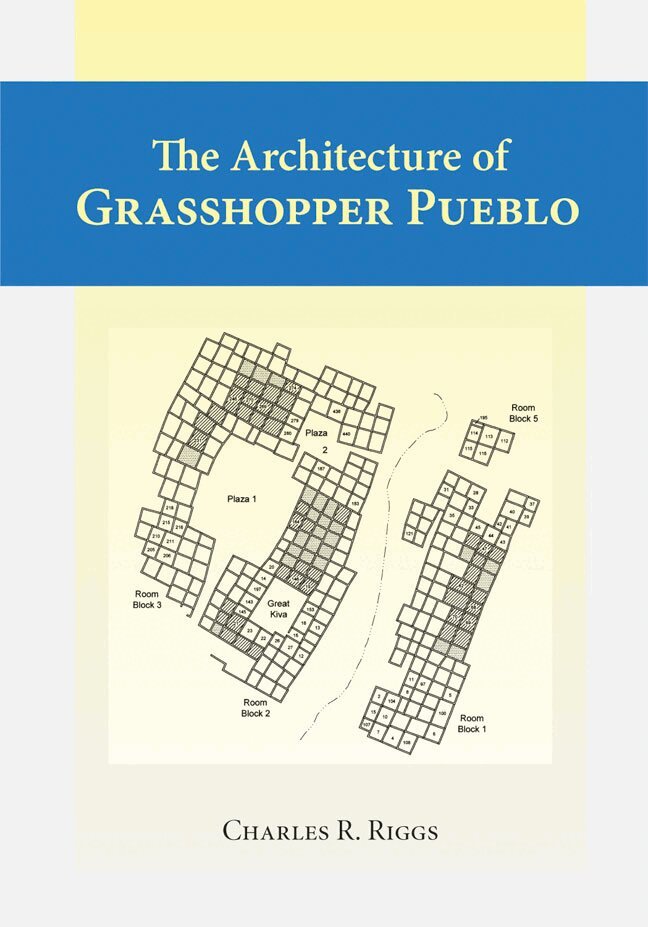
The long history of field research at Grasshopper, a massive, 500-room pueblo in an isolated mountain meadow in east-central Arizona, has produced a wealth of architectural information. Drawing on this extensive research, Charles Riggs reconstructs the pueblo, and provides a glimpse into the everyday life of the community at a critical time in Southwest prehistory. Between AD 1300 and 1330, a group consisting mainly of newcomers to the area established and then enlarged Grasshopper. From the architectural remnants excavated by the University of Arizona Archaeological Field School it is possible to determine that the earliest arrivals settled Grasshopper relatively quickly and that subsequent groups from the region and the Colorado Plateau built their houses next to kinsmen. The houses of locals and immigrants remained separate in discrete room blocks despite their occupants' participation in communal groups. Ultimately short-lived, by AD 1330 the influx of immigrants tapered and the architecture came to reflect a more seasonal, less intensive use of the area. Eventually the community was abandoned and the walls were left to crumble. In The Architecture of Grasshopper Pueblo, Riggs gives us a new view of community life at this ancient Puebloan site.
461 kr
Skickas inom 11-20 vardagar
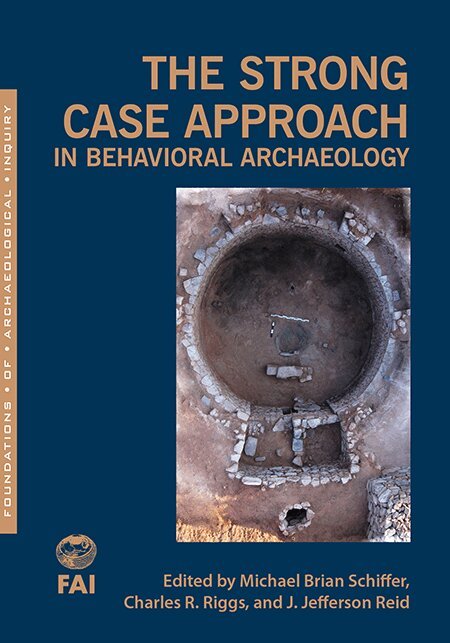
Although all archaeologists subscribe in principle to building strong cases in support of their inferences, behavioural archaeology alone has created methodology for developing strong cases in practice. The behavioural version of the strong case approach rests on two main pillars: (1) nomothetic (generalising) strategies, consisting of research in experimental archaeology, ethnoarchaeology, and long-term processes of behavioural change to produce principles necessary for inference; and (2) the formation processes of supporting evidence when constructing inferences. The chapters employ a wide range of data classes, demonstrating the versatility and productivity of the approach for fashioning rigorous inferences in history, historical archaeology, ethnoarchaeology, and prehistory. By illustrating the strong case approach with convincing case studies from behavioural archaeology, the editors aim to alert the archaeological community about how the process of archaeological inference can be improved.