Charles Stepanoff – författare
Visar alla böcker från författaren Charles Stepanoff. Handla med fri frakt och snabb leverans.
6 produkter
Journeys into the Invisible
Shamanic Technologies of the Imagination
Häftad, 2025
304 kr
Lägg i varukorg
A lively exploration of the Indigenous traditions of shamanism in the Far North of Eurasia and North America.In this book, Charles Stepanoff draws on ethnographic literature and his fieldwork in Siberia to reveal the immense contribution to human imagination made by shamans and the cognitive …
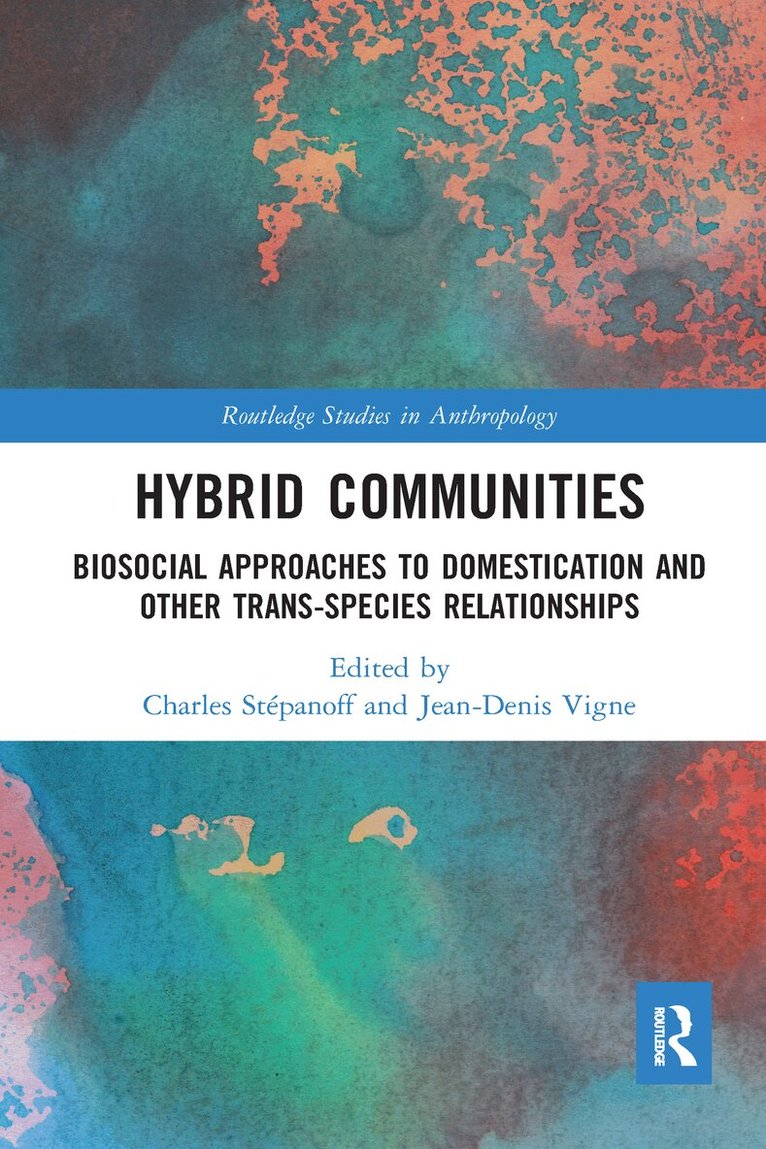
Hybrid Communities
Biosocial Approaches to Domestication and Other Trans-species Relationships
Av Charles Stépanoff, Jean-Denis Vigne
Häftad, 2020
735 kr
Lägg i varukorg
Domestication challenges our understanding of human-environment relationships because it blurs the dichotomy between what is artificial and what is natural. In domestication, biological evolution, environmental change, techniques and practices, anthropological trajectories and sociocultural choices …
Hybrid Communities
Biosocial Approaches to Domestication and Other Trans-species Relationships
Av Charles Stépanoff, Jean-Denis Vigne
Inbunden, 2018
2510 kr
Lägg i varukorg
Domestication challenges our understanding of human-environment relationships because it blurs the dichotomy between what is artificial and what is natural. In domestication, biological evolution, environmental change, techniques and practices, anthropological trajectories and sociocultural choices …
Hybrid Communities
Biosocial Approaches to Domestication and Other Trans-species Relationships
Av Jean-Denis Vigne, Charles Stepanoff
E-bok, 2018
892 kr
Lägg i varukorg
Domestication challenges our understanding of human-environment relationships because it blurs the dichotomy between what is artificial and what is natural . In domestication, biological evolution, environmental change, techniques and practices, anthropological trajectories and sociocultural …
Hybrid Communities
Biosocial Approaches to Domestication and Other Trans-species Relationships
Av Jean-Denis Vigne, Charles Stepanoff
E-bok, 2018
892 kr
Lägg i varukorg
Domestication challenges our understanding of human-environment relationships because it blurs the dichotomy between what is artificial and what is natural . In domestication, biological evolution, environmental change, techniques and practices, anthropological trajectories and sociocultural …
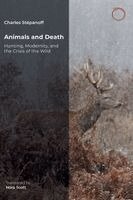
Animals and Death
Hunting, Modernity, and the Crisis of the Wild
Häftad, 2026
304 kr
Kommande
From pets to prey to food, the hierarchy of animals' relationship to humans has profound anthropological and ecological implications. Modernity has divided animals into two categories: those deemed worthy of protection and affection, and those reduced to raw material for industry. How can we make …