Charles Vidich – författare
Visar alla böcker från författaren Charles Vidich. Handla med fri frakt och snabb leverans.
6 produkter
6 produkter
673 kr
Skickas inom 10-15 vardagar
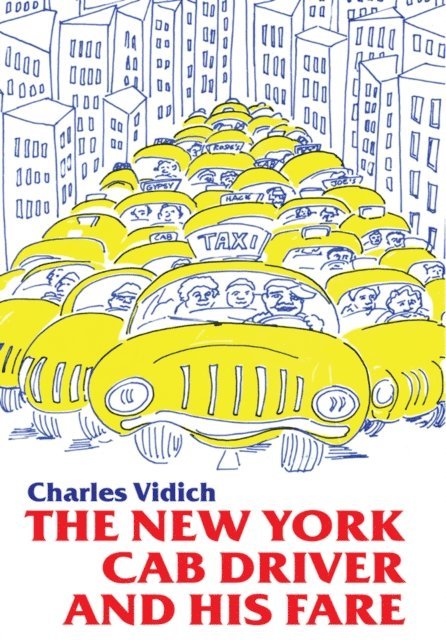
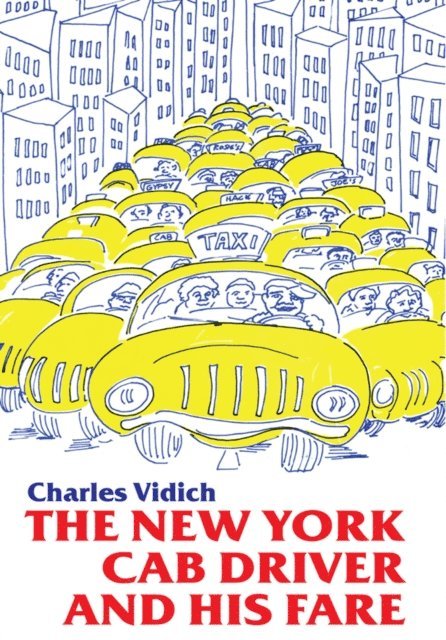
Using information derived from research and interviews with cab drivers, Vidich has written a basic work on New York City cab drivers (hacks) that also provides passengers (fares) with a survival manual.
2 712 kr
Skickas inom 3-6 vardagar
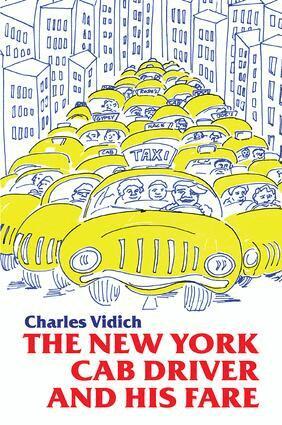
Using information derived from research and interviews with cab drivers, Vidich has written a basic work on New York City cab drivers (hacks) that also provides passengers (fares) with a survival manual. Cab drivers are quoted by newspaper columnists, politicians, and at dinner parties; yet a hard look at the profession and its role in the transportation system of the city has been completely lacking. Vidich brings out in clear language the conflicts between the cab driver's position as a dispenser of a public service and his needs as a working person subjected to violence and pressure. It is difficult to imagine a more enjoyable introduction to an industry whose members are a folk tradition. At the same time, this book provides insight into the history and sociology of an important urban institution. It is a book about cab drivers everywhere; and cab drivers and fares in all cities have a new handbook in this volume.
833 kr
Skickas inom 10-15 vardagar
Examines America's experience with a wide range of quarantine practices over the past 400 years and the political, economic, immigration, and public health considerations that have prompted success or failure within the evolving role of public health.The novel strain of coronavirus that emerged in late 2019 and became a worldwide pandemic in 2020 is only one of more than 87 new or emerging pathogens discovered since 1980 that have posed a risk to public health. While many may consider quarantine an antiquated practice, it is often one of the only defenses against new and dangerous communicable diseases. Tracing the United States' quarantine practices through the colonial, postcolonial, and modern eras, Germs at Bay provides an eye-opening look at how quarantine has worked despite routine dismissal of its value.This book is for anyone seeking to understand the challenges of controlling the spread of COVID-19 and helps readers internalize the lessons learned from the pandemic. Few titles provide this level of primary source data on the United States' long reliance on quarantine practices and the political, social, and economic factors that have influenced them.
618 kr
Skickas inom 7-10 vardagar
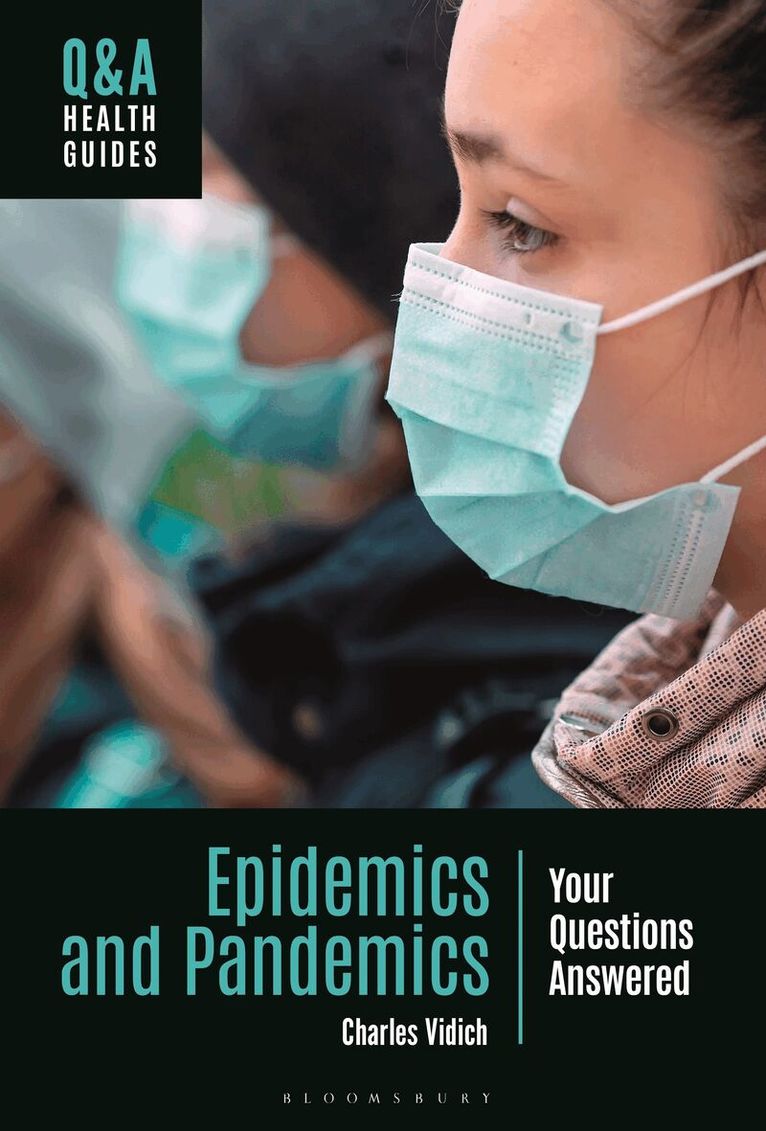
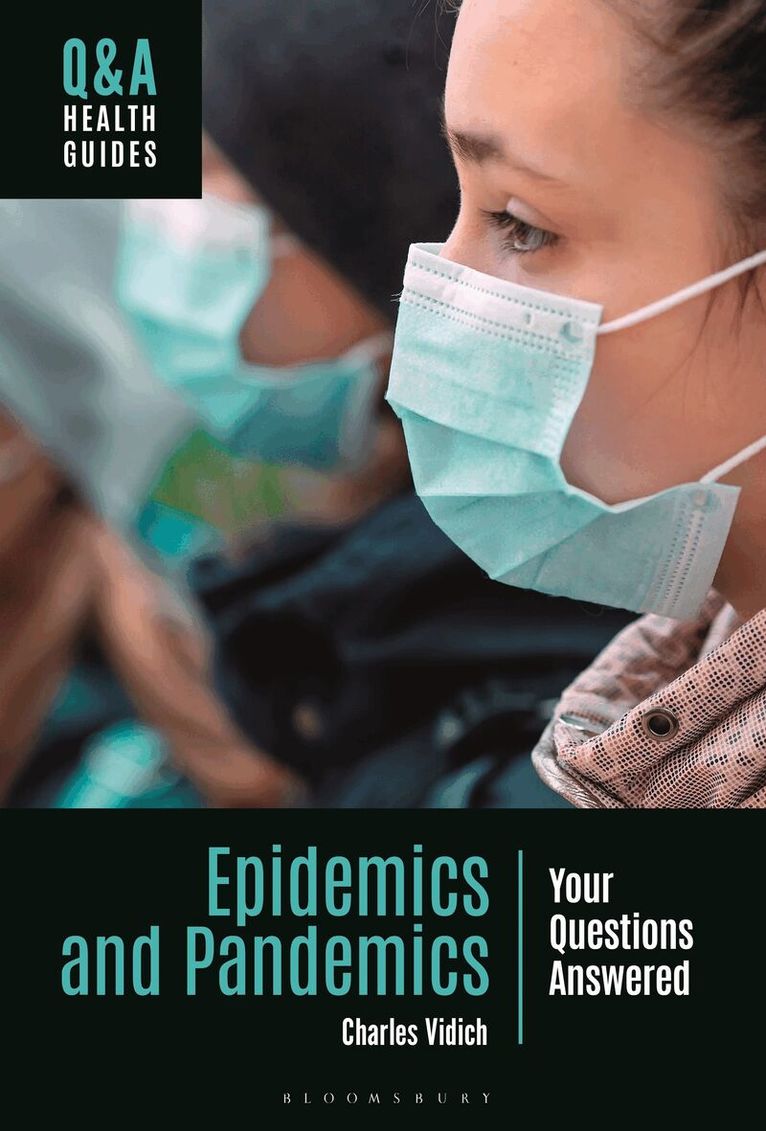
In the wake of COVID, it’s more important than ever to understand epidemics—how they emerge and what we can do to fight back.Part of Bloomsbury’s Q&A Health Guides series, this book takes a balanced approach, offering a blend of both epidemiological science and practical suggestions grounded in that science. The volume’s 47 questions begin with the basics, including which diseases are most likely to become epidemics, which have historically been the deadliest, and how factors such as climate change will affect the emergence of future pandemics. Next, the book answers readers’ questions regarding how epidemics spread and how strategies such as disease reporting, quarantine, and vaccine development can help combat them. Readers will also find questions offering guidance on how to protect yourself during a widespread disease event, including which information sources to trust and how personal choices can influence exposure risk. The final section of questions examines epidemics’ far-reaching impacts on everything from mental health to economic prosperity.Augmenting the main text, a collection of 5 case studies illustrate key concepts and issues through relatable stories and insightful recommendations. The common misconceptions section at the beginning of the volume dispels 5 long-standing myths about epidemics and pandemics (the influence of which could be seen throughout the COVID-19 crisis), directing readers to additional information in the text. The glossary defines terms that may be unfamiliar to readers, while the directory of resources curates a list of the most useful books, websites, and other materials. Finally, whether they’re looking for more information about this subject or any other health-related topic, readers can turn to the Guide to Health Literacy section for practical tools and strategies for finding, evaluating, and using credible sources of health information both on and off the Internet.
534 kr
Skickas inom 3-6 vardagar
In the wake of COVID, it’s more important than ever to understand epidemics—how they emerge and what we can do to fight back.Part of Bloomsbury’s Q&A Health Guides series, this book takes a balanced approach, offering a blend of both epidemiological science and practical suggestions grounded in that science. The volume’s 47 questions begin with the basics, including which diseases are most likely to become epidemics, which have historically been the deadliest, and how factors such as climate change will affect the emergence of future pandemics. Next, the book answers readers’ questions regarding how epidemics spread and how strategies such as disease reporting, quarantine, and vaccine development can help combat them. Readers will also find questions offering guidance on how to protect yourself during a widespread disease event, including which information sources to trust and how personal choices can influence exposure risk. The final section of questions examines epidemics’ far-reaching impacts on everything from mental health to economic prosperity.Augmenting the main text, a collection of 5 case studies illustrate key concepts and issues through relatable stories and insightful recommendations. The common misconceptions section at the beginning of the volume dispels 5 long-standing myths about epidemics and pandemics (the influence of which could be seen throughout the COVID-19 crisis), directing readers to additional information in the text. The glossary defines terms that may be unfamiliar to readers, while the directory of resources curates a list of the most useful books, websites, and other materials. Finally, whether they’re looking for more information about this subject or any other health-related topic, readers can turn to the Guide to Health Literacy section for practical tools and strategies for finding, evaluating, and using credible sources of health information both on and off the Internet.
420 kr
Skickas inom 10-15 vardagar
Examines America's experience with a wide range of quarantine practices over the past 400 years and the political, economic, immigration, and public health considerations that have prompted success or failure within the evolving role of public health.The novel strain of coronavirus that emerged in late 2019 and became a worldwide pandemic in 2020 is only one of more than 87 new or emerging pathogens discovered since 1980 that have posed a risk to public health. While many may consider quarantine an antiquated practice, it is often one of the only defenses against new and dangerous communicable diseases. Tracing the United States' quarantine practices through the colonial, postcolonial, and modern eras, Germs at Bay provides an eye-opening look at how quarantine has worked despite routine dismissal of its value.This book is for anyone seeking to understand the challenges of controlling the spread of COVID-19 and helps readers internalize the lessons learned from the pandemic. Few titles provide this level of primary source data on the United States' long reliance on quarantine practices and the political, social, and economic factors that have influenced them.