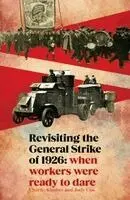
Charlie Kimber and Judy Cox show there are compelling reasons to revisit the events of 1926 in a way which highlights its continuing relevance for those resisting inequality, war and imperialism today. Shows 1926 saw much greater radicalism - and repression - than often portrayed; Chapter on the role played by women in the General Strike and miners' lockout that followed; Examines the impact on literature - from A Scots Quair to Ellen Wilkinson's Clash and even D.H. Lawrence; Shows how the General Strike was part of wider revolts against the British Empire in India, Hong Kong and elsewhere and how links of solidarity between these struggles were created; Explores the role of general strikes from Chartism to the Russian Revolution, to more recently the Arab Spring of 2011- 12, in the revolt over pensions in France in 2022-3; and what role it has in the fight for Palestinian liberation today.
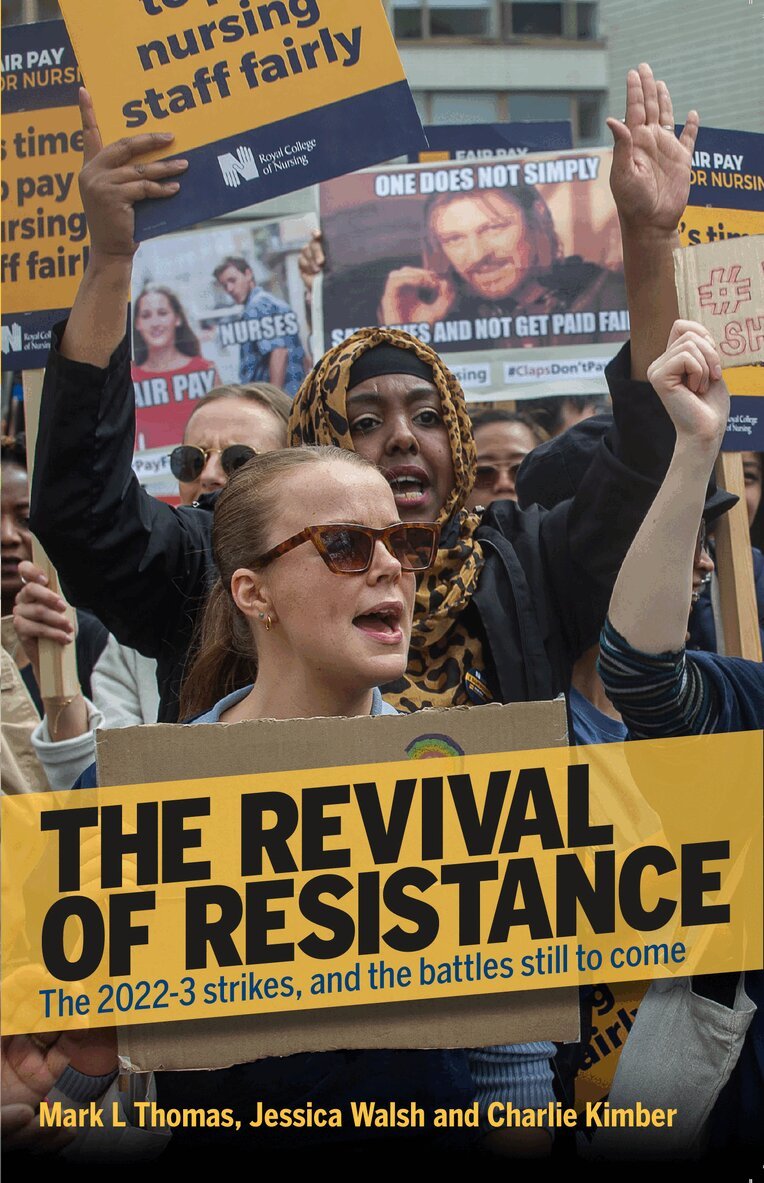
Over 2022-3, Britain has seen the biggest wave of strikes in a generation. Workers are fighting back. This short book provides an initial balance sheet of the experiences of these strikes. The rediscovery by significant numbers of workers of their ability to take collective action is something to be celebrated. But too often union leaders have put forward only a limited strike strategy - and been willing to accept deals far short of what is needed or that could be achieved. The book examines the nature of the trade union bureaucracy and looks at some of the grassroots challenges to it in the past. It also asks what we can learn from the strikes over pensions in France, why Labour doesn't support the strikes, and what role socialist politics has in the workplace. It argues for a sharp challenge to the union bureaucracy and lays out a strategy for the way forward.
Charlie Kimber and Judy Cox show there are compelling reasons to revisit the events of 1926 in a way which highlights its continuing relevance for those resisting inequality, war and imperialism today. Shows 1926 saw much greater radicalism - and repression - than often portrayed; Chapter on the role played by women in the General Strike and miners' lockout that followed; Examines the impact on literature - from A Scots Quair to Ellen Wilkinson's Clash and even D.H. Lawrence; Shows how the General Strike was part of wider revolts against the British Empire in India, Hong Kong and elsewhere and how links of solidarity between these struggles were created; Explores the role of general strikes from Chartism to the Russian Revolution, to more recently the Arab Spring of 2011- 12, in the revolt over pensions in France in 2022-3; and what role it has in the fight for Palestinian liberation today.
Over 2022-3, Britain has seen the biggest wave of strikes in a generation. Workers are fighting back. This short book provides an initial balance sheet of the experiences of these strikes. The rediscovery by significant numbers of workers of their ability to take collective action is something to be celebrated. But too often union leaders have put forward only a limited strike strategy - and been willing to accept deals far short of what is needed or that could be achieved. The book examines the nature of the trade union bureaucracy and looks at some of the grassroots challenges to it in the past. It also asks what we can learn from the strikes over pensions in France, why Labour doesn't support the strikes, and what role socialist politics has in the workplace. It argues for a sharp challenge to the union bureaucracy and lays out a strategy for the way forward.