Charlotte Werndl – författare
Visar alla böcker från författaren Charlotte Werndl. Handla med fri frakt och snabb leverans.
8 produkter
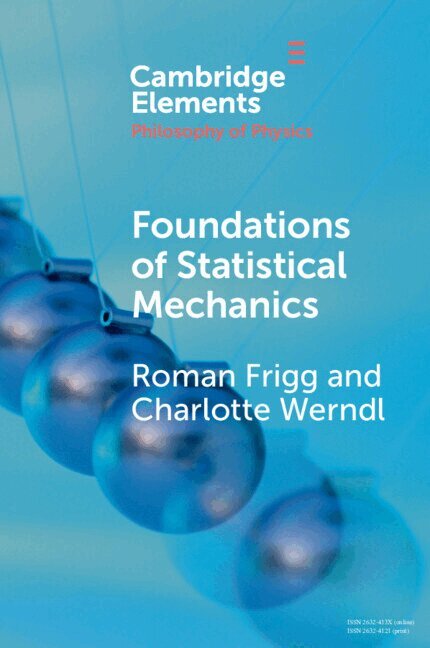
Foundations of Statistical Mechanics
Av Roman Frigg, Charlotte Werndl
Häftad, 2024
308 kr
Lägg i varukorg
Statistical mechanics is the third pillar of modern physics, next to quantum theory and relativity theory. It aims to account for the behaviour of macroscopic systems in terms of the dynamical laws that govern their microscopic constituents and probabilistic assumptions about them. In this Element, …
Foundations of Statistical Mechanics
Av Charlotte Werndl, Roman Frigg
E-bok, 2024
284 kr
Lägg i varukorg
Foundations of Statistical Mechanics
Av Charlotte Werndl, Roman Frigg
E-bok, 2024
294 kr
Lägg i varukorg
Foundations of Statistical Mechanics
Av Roman Frigg, Charlotte Werndl
Inbunden, 2024
911 kr
Lägg i varukorg
Statistical mechanics is the third pillar of modern physics, next to quantum theory and relativity theory. It aims to account for the behaviour of macroscopic systems in terms of the dynamical laws that govern their microscopic constituents and probabilistic assumptions about them. In this Element, …
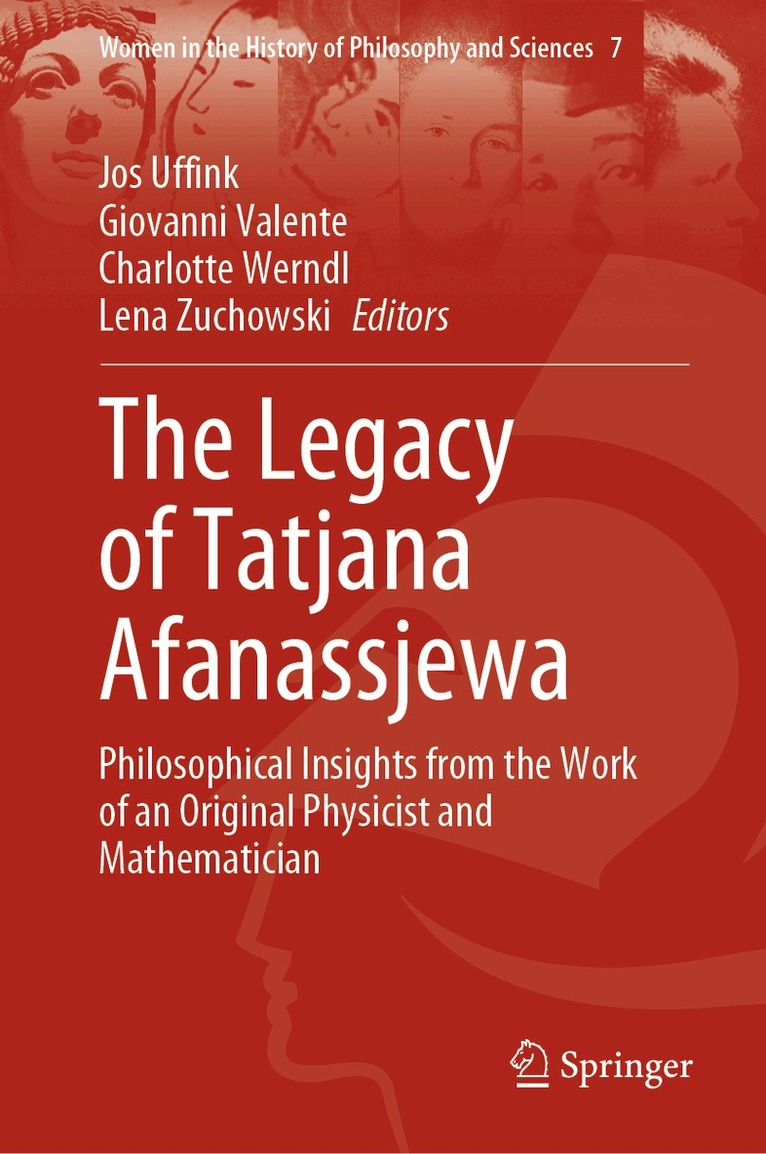
Legacy of Tatjana Afanassjewa
Philosophical Insights from the Work of an Original Physicist and Mathematician
Av Jos Uffink, Giovanni Valente m. fl.
Inbunden, 2020
1207 kr
Lägg i varukorg
This book presents a collection of essays that explore the life and works of Tatjana Afanassjewa (1876–1964), a Russian–Dutch physicist–mathematician. Readers will discover a scientist whose work on the foundations of thermodynamics significantly influenced the field itself as well as the …
Legacy of Tatjana Afanassjewa
Philosophical Insights from the Work of an Original Physicist and Mathematician
Av Lena Zuchowski, Charlotte Werndl m. fl.
E-bok, 2020
1105 kr
Lägg i varukorg
This book presents a collection of essays that explore the life and works of Tatjana Afanassjewa (1876–1964), a Russian–Dutch physicist–mathematician. Readers will discover a scientist whose work on the foundations of thermodynamics significantly influenced the field itself as well as the …
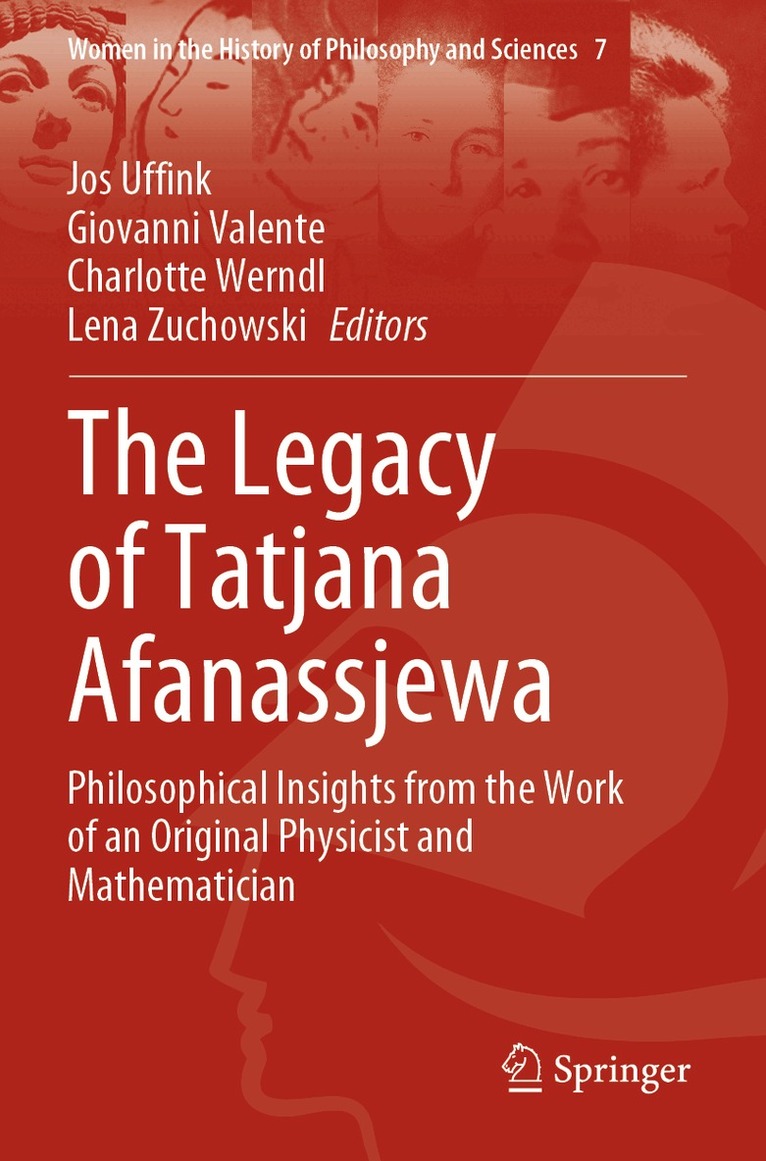
Legacy of Tatjana Afanassjewa
Philosophical Insights from the Work of an Original Physicist and Mathematician
Av Jos Uffink, Giovanni Valente m. fl.
Häftad, 2021
880 kr
Lägg i varukorg
This book presents a collection of essays that explore the life and works of Tatjana Afanassjewa (1876–1964), a Russian–Dutch physicist–mathematician. Readers will discover a scientist whose work on the foundations of thermodynamics significantly influenced the field itself as well as the …
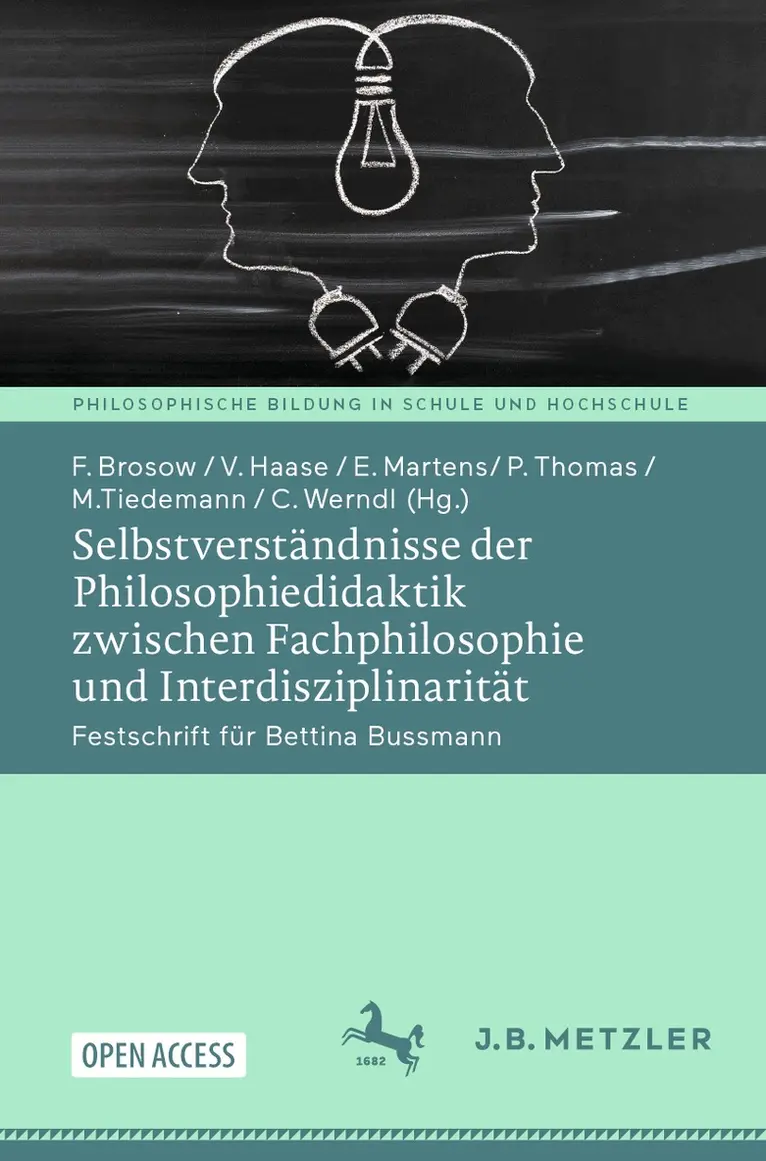
Selbstverständnisse der Philosophiedidaktik zwischen Fachphilosophie und Interdisziplinarität
Festschrift für Bettina Bussmann
Av Frank Brosow, Volker Haase m. fl.
Häftad, 2025
403 kr
Lägg i varukorg
Dieser Open Access-Band präsentiert die aktuellen Debatten über das Selbstverständnis der Philosophiedidaktik, ihre Beziehung zur Fachphilosophie und den Stellenwert bzw. das Wesen der Interdisziplinarität. Dies betrifft zum einen die Innenperspektive der Fachdidaktik selbst. Neben den klassischen …