Che-Hua Yang – författare
860 kr
Läs direkt efter köp
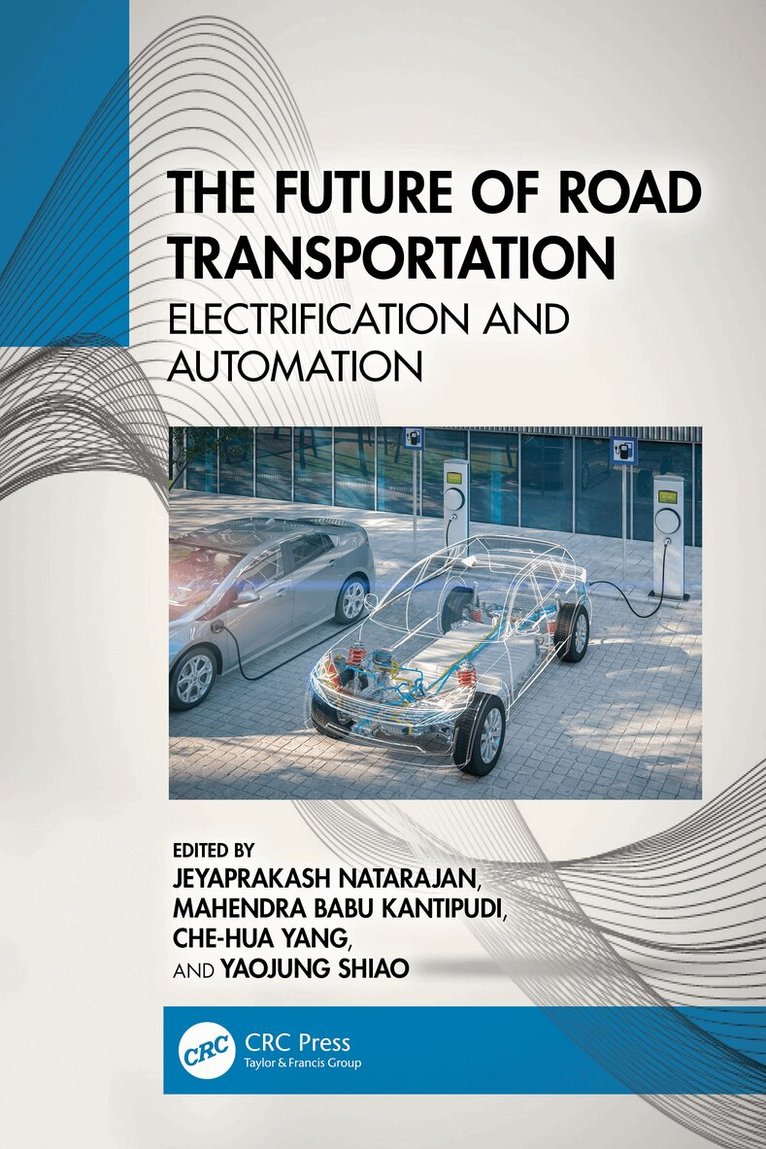
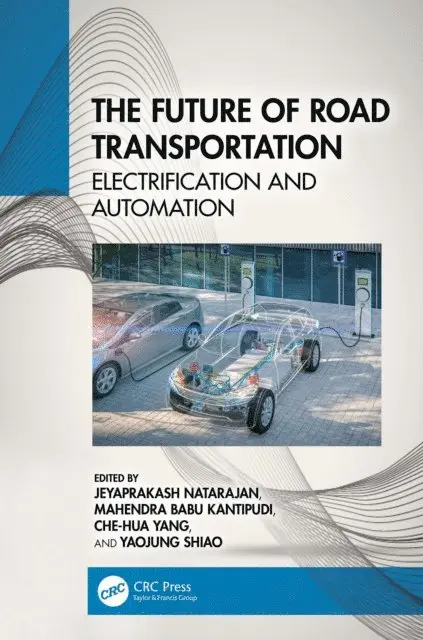
The Future of Road Transportation presents rapidly growing research towards electrified and automated vehicles. It explains the workings and drawbacks of a conventional vehicle’s powertrain, braking, and steering systems before exploring ADAS equipment and driverless car technologies.
Emphasizing the necessary changes in conventional transport systems towards sustainable and smart mobility, this book discusses advanced future mobility technologies and the challenges and considerations for developing sustainable vehicle designs. It overviews the construction details and the research-level contents of the power train, battery, charging infrastructure, and other control systems of the electrical vehicles.
The book is intended for automotive and electrical engineers and researchers working on electric vehicle technology, autonomous and automated vehicles, automotive sustainability. It will also be useful for mechanical and electrical engineering students taking courses in Automotive/Vehicle Engineering and Automotive Systems and Design.
860 kr
Läs direkt efter köp
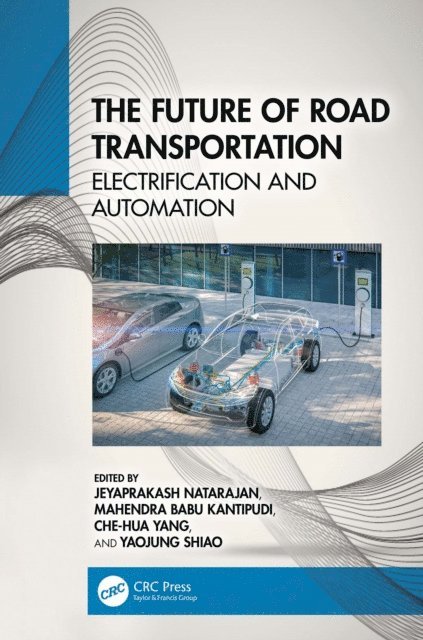
The Future of Road Transportation presents rapidly growing research towards electrified and automated vehicles. It explains the workings and drawbacks of a conventional vehicle’s powertrain, braking, and steering systems before exploring ADAS equipment and driverless car technologies.
Emphasizing the necessary changes in conventional transport systems towards sustainable and smart mobility, this book discusses advanced future mobility technologies and the challenges and considerations for developing sustainable vehicle designs. It overviews the construction details and the research-level contents of the power train, battery, charging infrastructure, and other control systems of the electrical vehicles.
The book is intended for automotive and electrical engineers and researchers working on electric vehicle technology, autonomous and automated vehicles, automotive sustainability. It will also be useful for mechanical and electrical engineering students taking courses in Automotive/Vehicle Engineering and Automotive Systems and Design.
1 811 kr
Skickas inom 10-15 vardagar
742 kr
Skickas inom 10-15 vardagar
2 366 kr
Skickas inom 10-15 vardagar
2 758 kr
Läs direkt efter köp
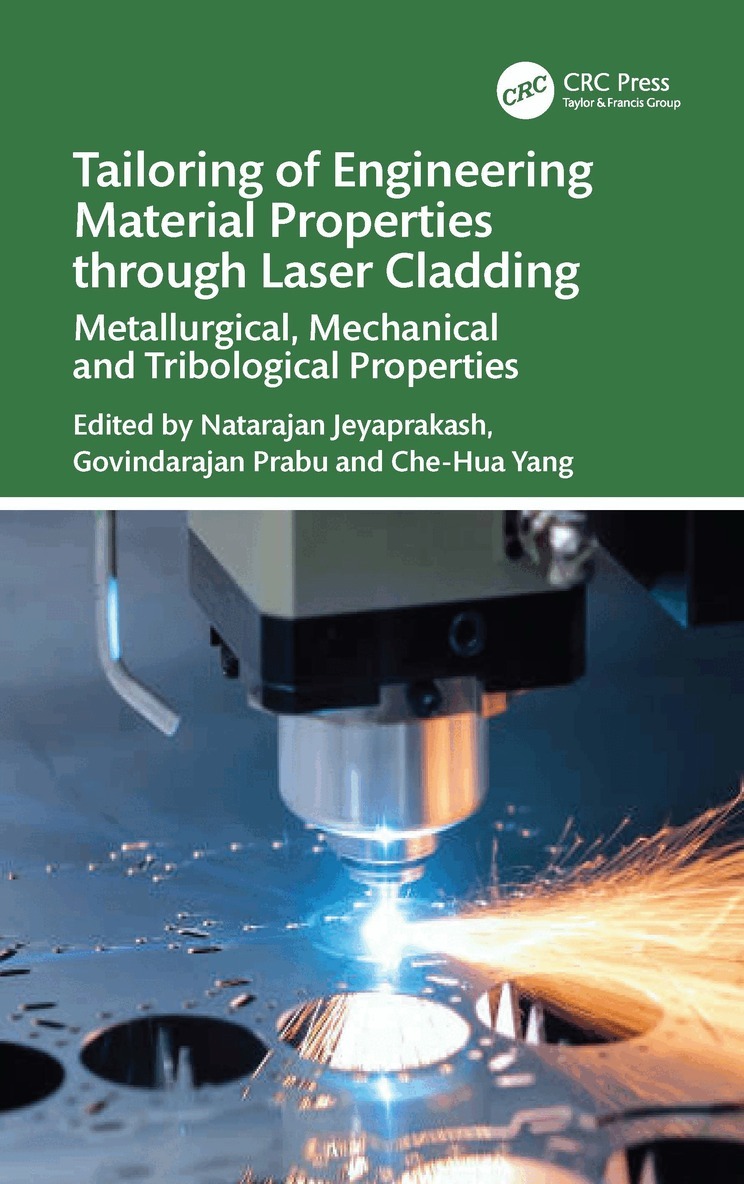
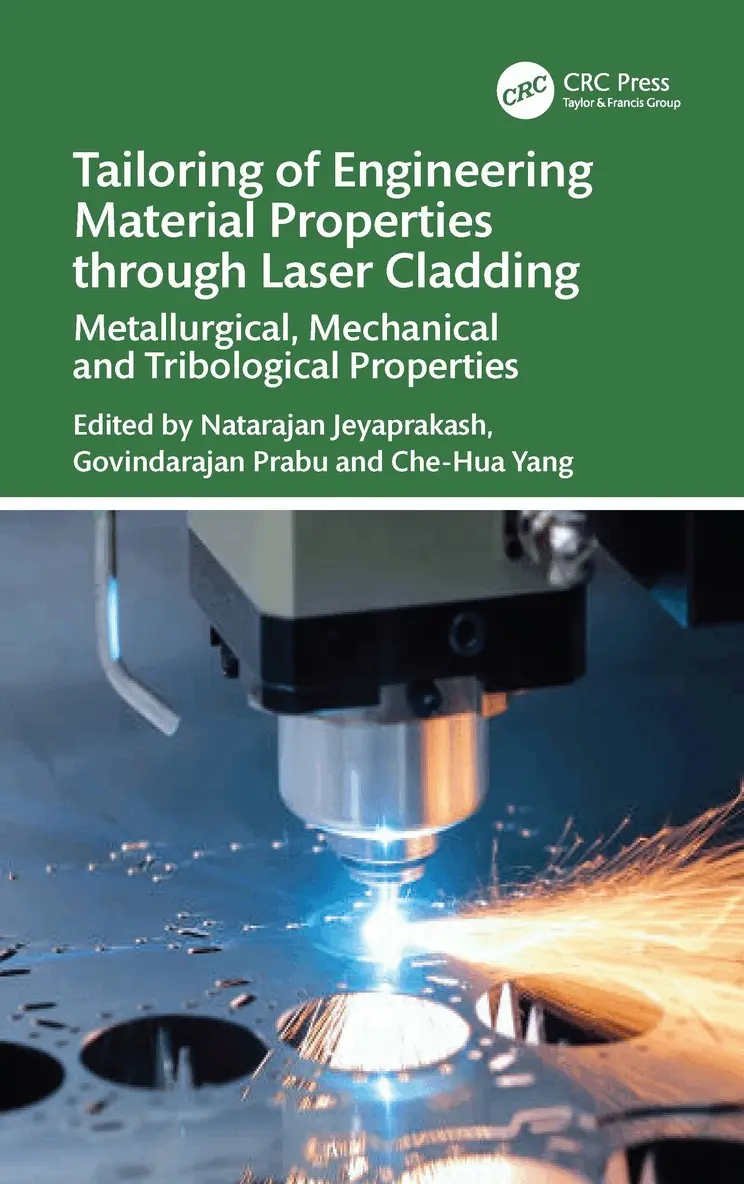
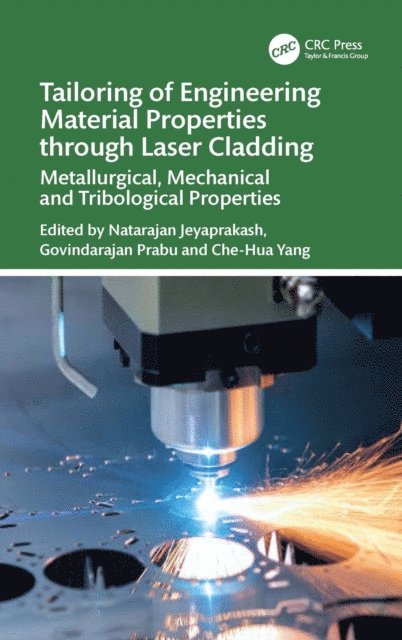
In this comprehensive guide to laser cladding of engineering materials, expert contributors provide a detailed yet easy‑to‑follow explanation of the process, its use for surface modification and the benefits and applications of this technique in different environments and for different purposes.
The optimization of an engineering material’s properties and behavior is vital for economic, safety and quality assurance reasons when these materials are applied in various industrial settings. This book therefore explains how laser cladding can be used to tailor and control a material’s surface layer properties, such as its elastic and plastic deformation and permanent detachment in the form of debris during the contact of mating parts. Through individual chapter contributions from experts in various elements related to laser cladding, this book guides readers through the evaluation of different structures in laser‑cladded engineering materials. The book addresses three key questions:
What is the influence of micro- and nano-level structures on mechanical properties? How does laser cladding improve a material’s wear resistance at the micron and nano level and determine the material’s suitability for particular applications? What challenges are related to the laser cladding of different engineering materials?In addressing these questions, the book enables readers to determine the metallurgical, mechanical, tribological and corrosion behavior of any type of engineering material. Readers will also be able to make informed decisions based on their knowledge of the properties and industrial applications of different laser‑cladded materials.
This book is essential for all manufacturing industry personnel who work with materials in various industrial settings and need to control their surface properties and enhance their behavior at the micron and nano levels. Students who are building experience prior to entering industry will also benefit from the detailed descriptions, step‑by‑step approach and focus on practical application.
2 758 kr
Läs direkt efter köp
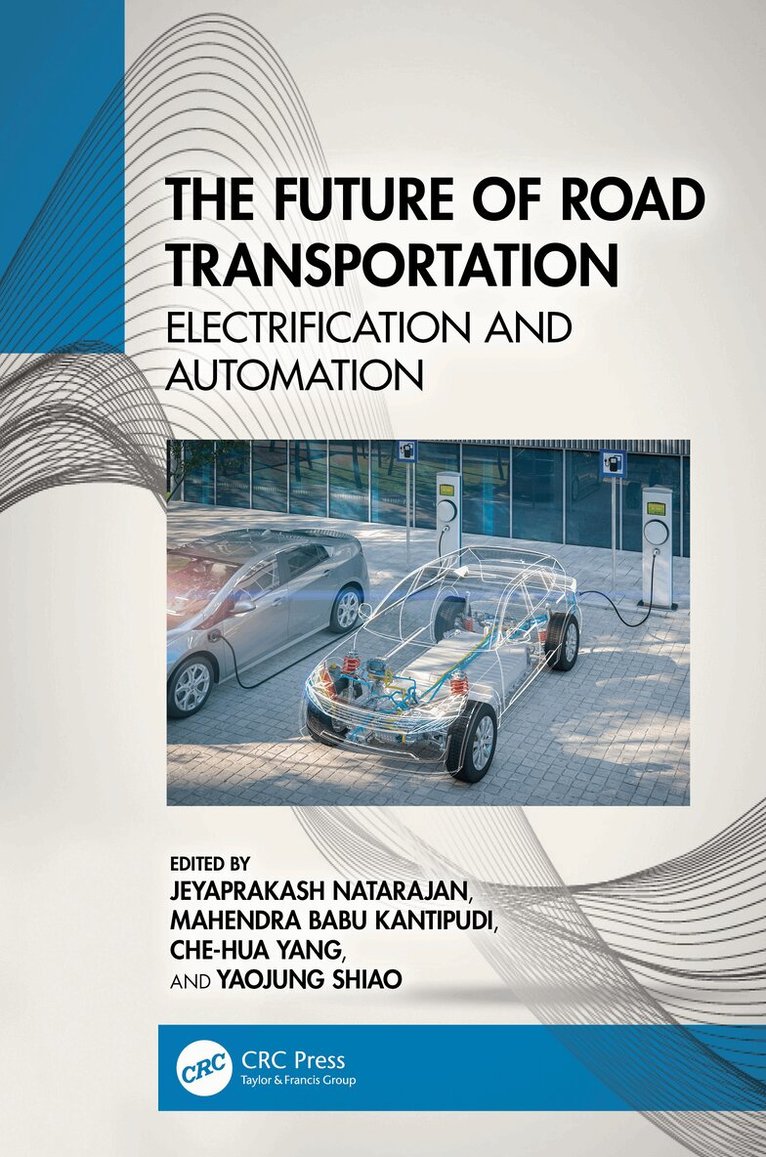
In this comprehensive guide to laser cladding of engineering materials, expert contributors provide a detailed yet easy‑to‑follow explanation of the process, its use for surface modification and the benefits and applications of this technique in different environments and for different purposes.
The optimization of an engineering material’s properties and behavior is vital for economic, safety and quality assurance reasons when these materials are applied in various industrial settings. This book therefore explains how laser cladding can be used to tailor and control a material’s surface layer properties, such as its elastic and plastic deformation and permanent detachment in the form of debris during the contact of mating parts. Through individual chapter contributions from experts in various elements related to laser cladding, this book guides readers through the evaluation of different structures in laser‑cladded engineering materials. The book addresses three key questions:
What is the influence of micro- and nano-level structures on mechanical properties? How does laser cladding improve a material’s wear resistance at the micron and nano level and determine the material’s suitability for particular applications? What challenges are related to the laser cladding of different engineering materials?In addressing these questions, the book enables readers to determine the metallurgical, mechanical, tribological and corrosion behavior of any type of engineering material. Readers will also be able to make informed decisions based on their knowledge of the properties and industrial applications of different laser‑cladded materials.
This book is essential for all manufacturing industry personnel who work with materials in various industrial settings and need to control their surface properties and enhance their behavior at the micron and nano levels. Students who are building experience prior to entering industry will also benefit from the detailed descriptions, step‑by‑step approach and focus on practical application.