Chetan Choithani – författare
Visar alla böcker från författaren Chetan Choithani. Handla med fri frakt och snabb leverans.
5 produkter
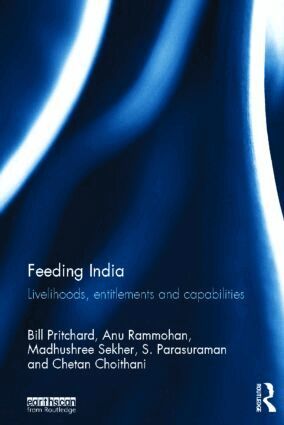
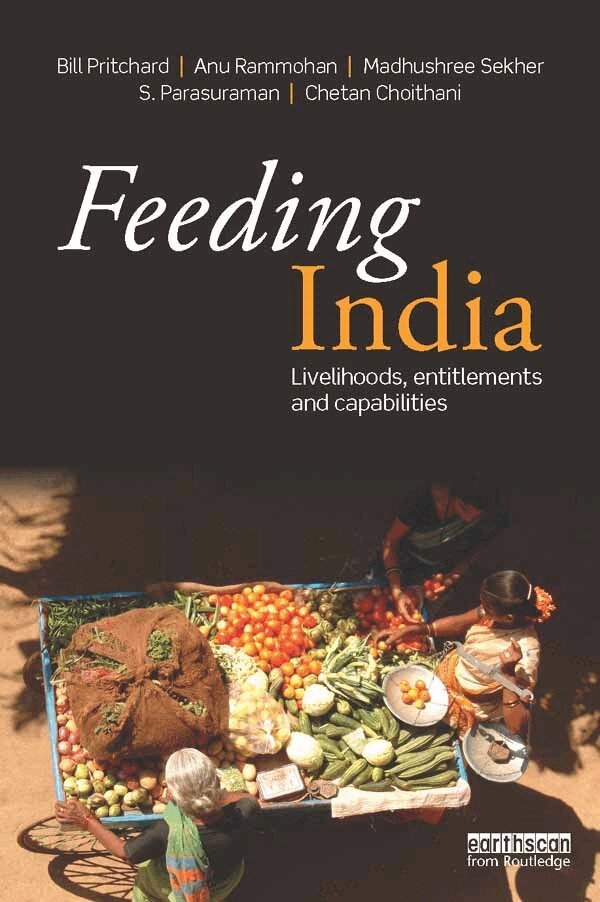
Feeding India
Livelihoods, Entitlements and Capabilities
Av Bill Pritchard, Anu Rammohan m. fl.
Inbunden, 2015
2504 kr
Lägg i varukorg
Food security is one of the twenty-first century’s key global challenges, and lessons learned from India have particular significance worldwide. Not only does India account for approximately one quarter of the world’s under-nourished persons, it also provides a worrying case of how rapid economic …
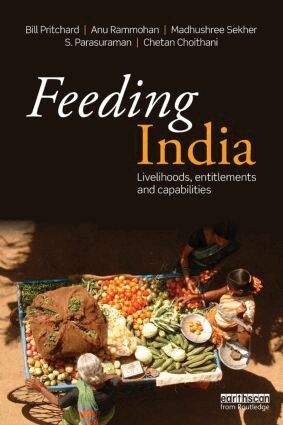
Feeding India
Livelihoods, Entitlements and Capabilities
Av Bill Pritchard, Anu Rammohan m. fl.
Häftad, 2013
844 kr
Lägg i varukorg
Food security is one of the twenty-first century’s key global challenges, and lessons learned from India have particular significance worldwide. Not only does India account for approximately one quarter of the world’s under-nourished persons, it also provides a worrying case of how rapid economic …
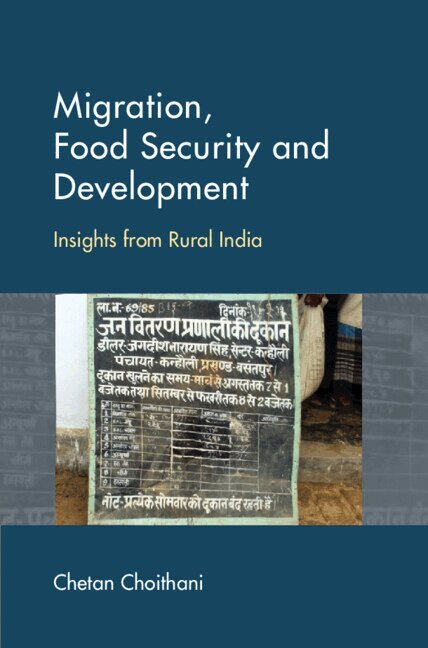
Migration, Food Security and Development
Insights from Rural India
Inbunden, 2023
1807 kr
Lägg i varukorg
This book examines the role of migration as a livelihood strategy in influencing food access among rural households. Migration forms a key component of livelihoods for an increasing number of rural households in many developing countries. Importantly, there is now a growing consensus among …
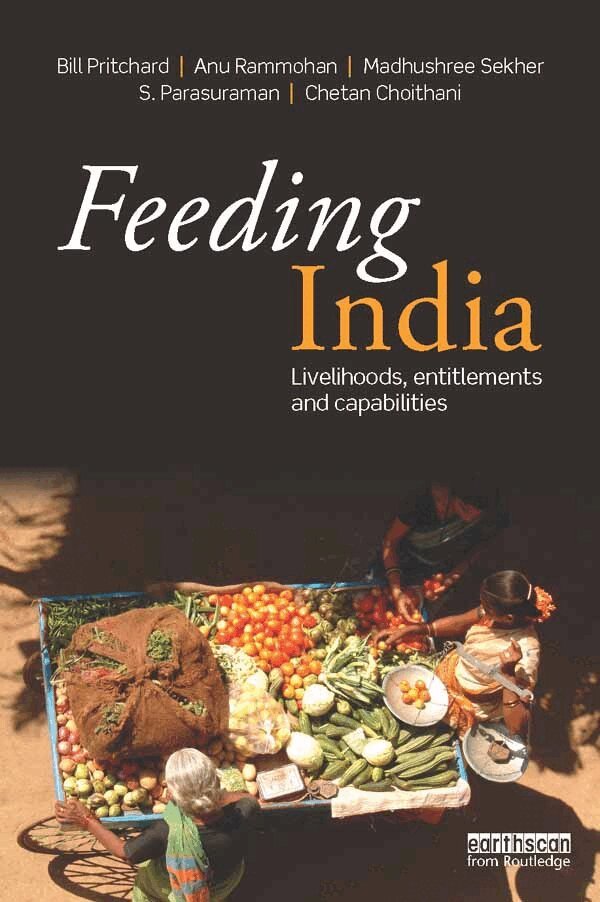
Feeding India
Livelihoods, Entitlements and Capabilities
Av Bill Pritchard, Anu Rammohan m. fl.
E-bok, 2013
970 kr
Lägg i varukorg
Food security is one of the twenty-first century’s key global challenges, and lessons learned from India have particular significance worldwide. Not only does India account for approximately one quarter of the world’s under-nourished persons, it also provides a worrying case of how rapid economic …
Feeding India
Livelihoods, Entitlements and Capabilities
Av Bill Pritchard, Anu Rammohan m. fl.
E-bok, 2013
970 kr
Lägg i varukorg
Food security is one of the twenty-first century’s key global challenges, and lessons learned from India have particular significance worldwide. Not only does India account for approximately one quarter of the world’s under-nourished persons, it also provides a worrying case of how rapid economic …