Chiara De Franco - Böcker
Visar alla böcker från författaren Chiara De Franco. Handla med fri frakt och snabb leverans.
6 produkter
6 produkter
2 088 kr
Skickas inom 10-15 vardagar
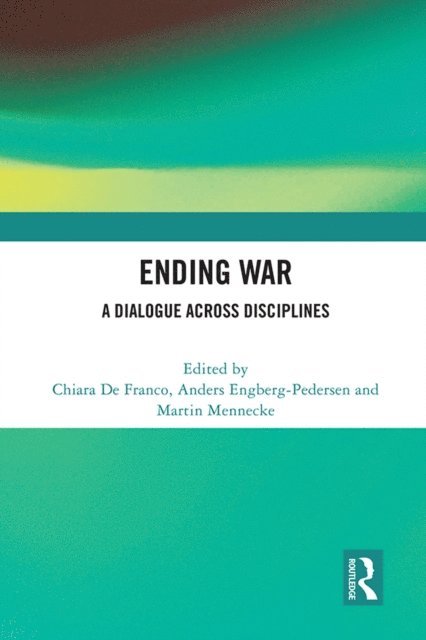
Ending War: A Dialogue across Disciplines examines how wars end from a multidisciplinary perspective and includes enquiries into the politics of war, the laws of war, and the military and intellectual history of war.In recent years, the changes in the character of contemporary warfare have created uncertainties across different disciplines about how to identify and conceptualise the end of war. A whole constellation of questions arises from such uncertainties: How do philosophers define ethical responsibilities in bello and post bellum if the boundary between war and peace is ever so blurred? How do strategists define their objectives if the teleology of action becomes uncertain? How do historians bracket the known endings of war and delve into the arguments that preceded them? Which answers can international law provide for the ending of wars – and which challenges remain or have recently arisen? This volume addresses these questions and enables both an understanding of how ‘the end’ as a concept informs the understanding of war in international relations, in international law, and in history, as well as a reconsideration of the nature of scientific method in the field of war studies as such.The chapters in this book were originally published as a special issue of The Journal of Strategic Studies.
617 kr
Skickas inom 10-15 vardagar
Ending War: A Dialogue across Disciplines examines how wars end from a multidisciplinary perspective and includes enquiries into the politics of war, the laws of war, and the military and intellectual history of war.In recent years, the changes in the character of contemporary warfare have created uncertainties across different disciplines about how to identify and conceptualise the end of war. A whole constellation of questions arises from such uncertainties: How do philosophers define ethical responsibilities in bello and post bellum if the boundary between war and peace is ever so blurred? How do strategists define their objectives if the teleology of action becomes uncertain? How do historians bracket the known endings of war and delve into the arguments that preceded them? Which answers can international law provide for the ending of wars – and which challenges remain or have recently arisen? This volume addresses these questions and enables both an understanding of how ‘the end’ as a concept informs the understanding of war in international relations, in international law, and in history, as well as a reconsideration of the nature of scientific method in the field of war studies as such.The chapters in this book were originally published as a special issue of The Journal of Strategic Studies.
1 353 kr
Skickas inom 5-8 vardagar
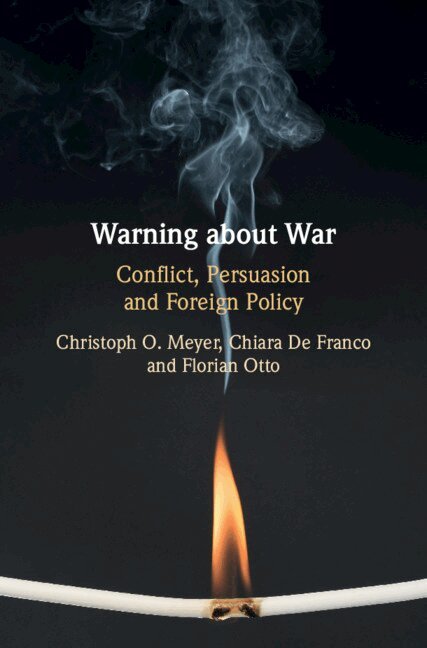
What does it take for warnings about violent conflict and war to be listened to, believed and acted upon? Why are warnings from some sources noticed and largely accepted, while others are ignored or disbelieved? These questions are central to considering the feasibility of preventing harm to the economic and security interests of states. Challenging conventional accounts that tend to blame decision-makers' lack of receptivity and political will, the authors offer a new theoretical framework explaining how distinct 'paths of persuasion' are shaped by a select number of factors, including conflict characteristics, political contexts, and source-recipient relations. This is the first study to systematically integrate persuasion attempts by analysts, diplomats and senior officials with those by journalists and NGO staff. Its ambitious comparative design encompasses three states (the US, UK, and Germany) and international organisations (the UN, EU, and OSCE) and looks in depth at four conflict cases: Rwanda (1994), Darfur (2003), Georgia (2008) and Ukraine (2014).
394 kr
Skickas inom 7-10 vardagar
What does it take for warnings about violent conflict and war to be listened to, believed and acted upon? Why are warnings from some sources noticed and largely accepted, while others are ignored or disbelieved? These questions are central to considering the feasibility of preventing harm to the economic and security interests of states. Challenging conventional accounts that tend to blame decision-makers' lack of receptivity and political will, the authors offer a new theoretical framework explaining how distinct 'paths of persuasion' are shaped by a select number of factors, including conflict characteristics, political contexts, and source-recipient relations. This is the first study to systematically integrate persuasion attempts by analysts, diplomats and senior officials with those by journalists and NGO staff. Its ambitious comparative design encompasses three states (the US, UK, and Germany) and international organisations (the UN, EU, and OSCE) and looks in depth at four conflict cases: Rwanda (1994), Darfur (2003), Georgia (2008) and Ukraine (2014).
536 kr
Skickas inom 10-15 vardagar
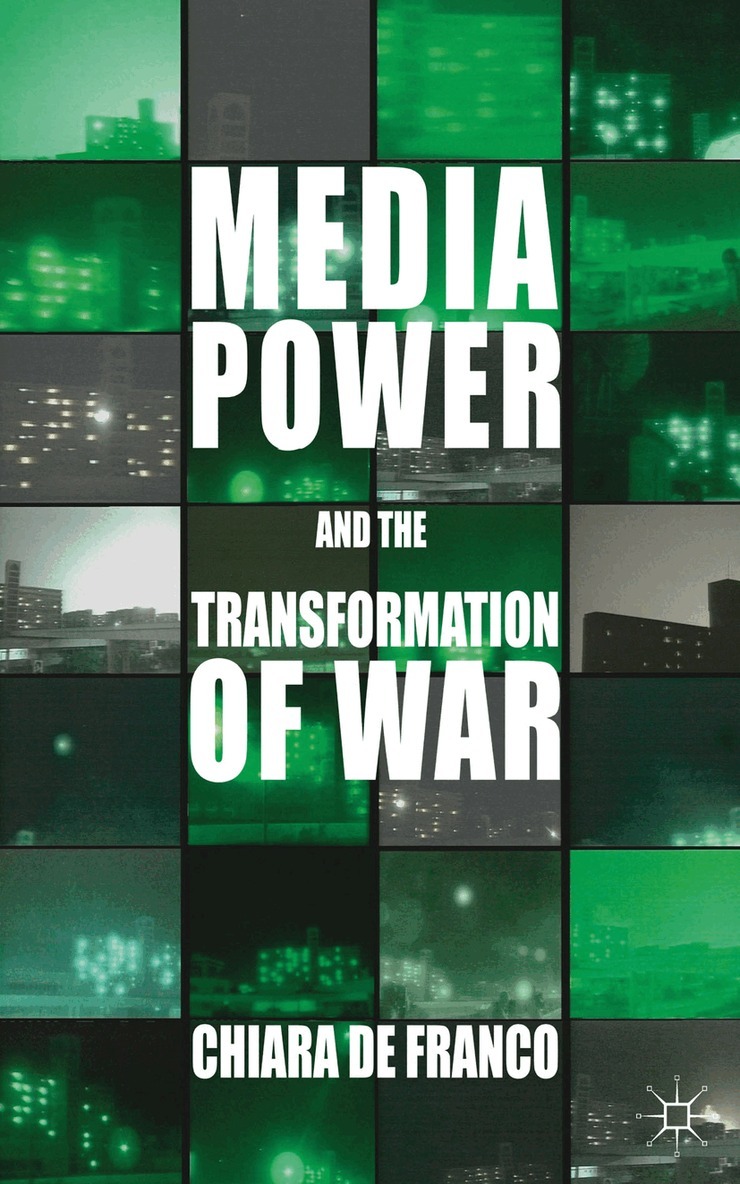
Do the news media have any role in the transformation of war and warfare? Focusing on television, this book argues that the news media alters the cognitive and strategic environment of the actors of war and politics and therefore changes the way these interact with one another.
536 kr
Skickas inom 10-15 vardagar
Do the news media have any role in the transformation of war and warfare? Focusing on television, this book argues that the news media alters the cognitive and strategic environment of the actors of war and politics and therefore changes the way these interact with one another.