Chidi Amuta – författare
Visar alla böcker från författaren Chidi Amuta. Handla med fri frakt och snabb leverans.
4 produkter
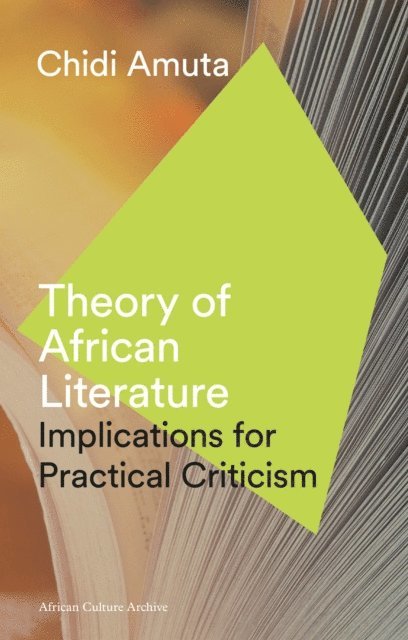
Theory of African Literature
Implications for Practical Criticism
Av Chidi Amuta
E-bok, 2017
430 kr
Lägg i varukorg
This groundbreaking work, first published in 1989, was one of the first to challenge the conventional critical assessment of African literature, and remains highly influential today.Amuta's key argument is that African literature can be discussed only within the wider framework of the dismantling …
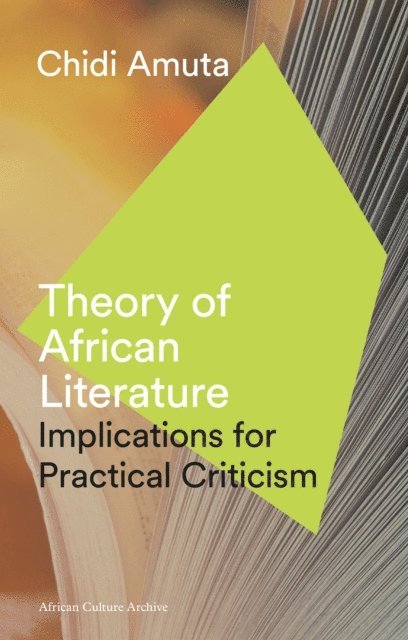
Theory of African Literature
Implications for Practical Criticism
Av Chidi Amuta
E-bok, 2017
430 kr
Lägg i varukorg
This groundbreaking work, first published in 1989, was one of the first to challenge the conventional critical assessment of African literature, and remains highly influential today.Amuta's key argument is that African literature can be discussed only within the wider framework of the dismantling …
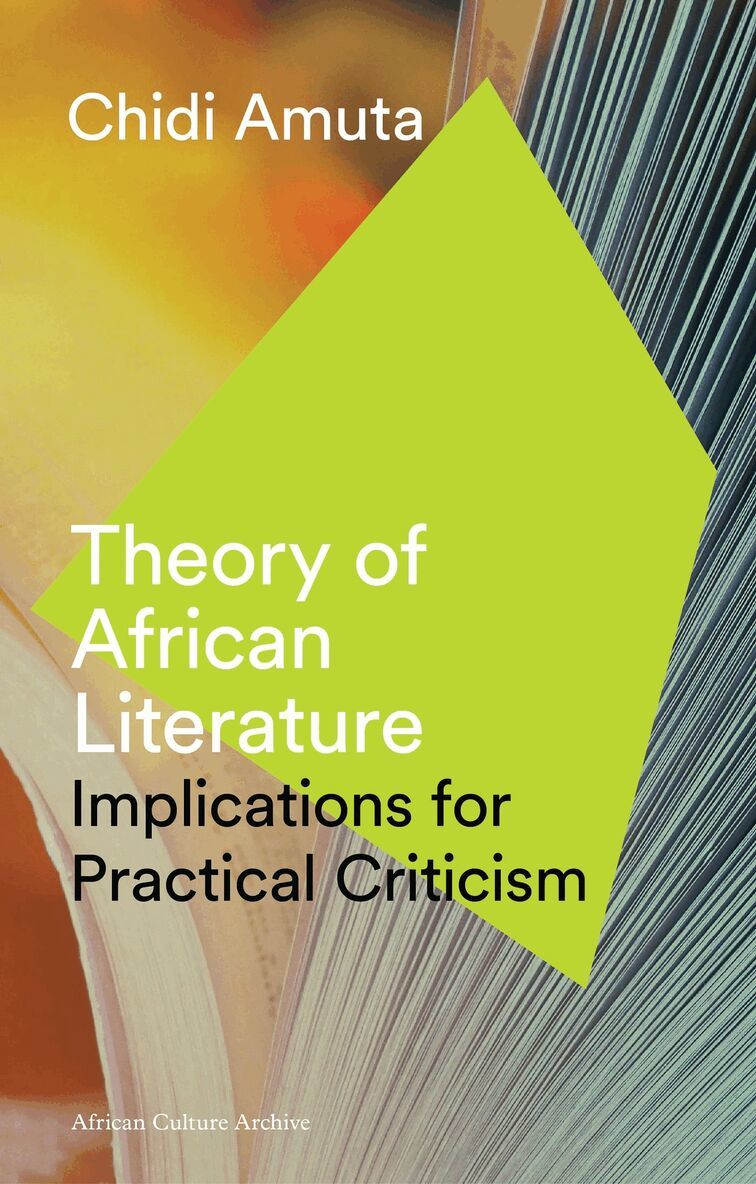
Theory of African Literature
Implications for Practical Criticism
Av Chidi Amuta
Häftad, 2017
398 kr
Lägg i varukorg
This groundbreaking work, first published in 1989, was one of the first to challenge the conventional critical assessment of African literature, and remains highly influential today.Amuta's key argument is that African literature can be discussed only within the wider framework of the dismantling …
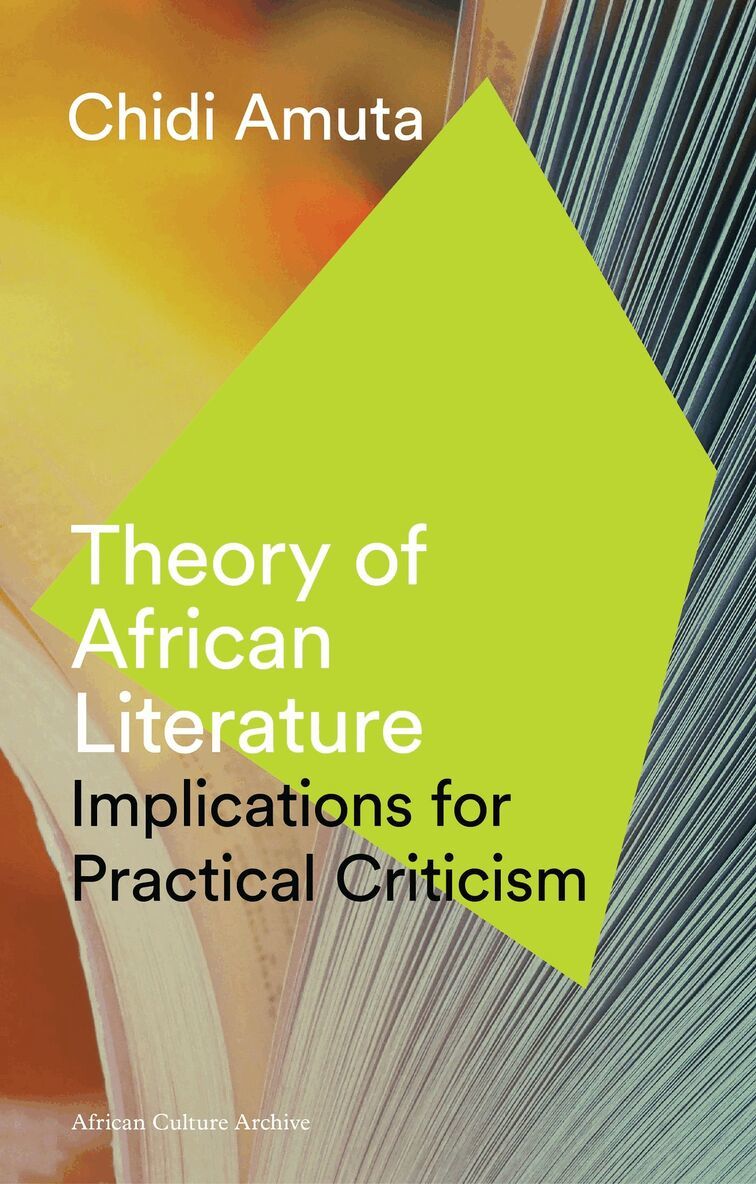
Theory of African Literature
Implications for Practical Criticism
Av Chidi Amuta
Inbunden, 2017
1469 kr
Lägg i varukorg
This groundbreaking work, first published in 1989, was one of the first to challenge the conventional critical assessment of African literature, and remains highly influential today.Amuta's key argument is that African literature can be discussed only within the wider framework of the dismantling …