Chih Yuan Woon – författare
Visar alla böcker från författaren Chih Yuan Woon. Handla med fri frakt och snabb leverans.
4 produkter
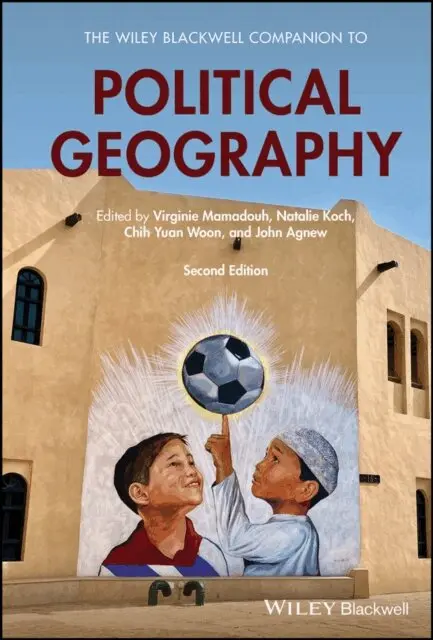
Wiley Blackwell Companion to Political Geography
Av John A. Agnew, Chih Yuan Woon m. fl.
E-bok, 2025
1897 kr
Lägg i varukorg
A comprehensive and timely overview of the subdiscipline of political geography, equipping readers with the intellectual tools to explore complex global phenomena The Wiley Blackwell Companion to Political Geography offers a wide-ranging overview of the dynamic field, providing critical insights …
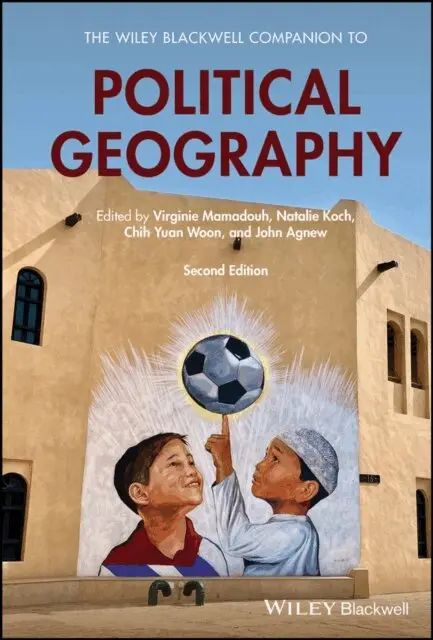
Wiley Blackwell Companion to Political Geography
Av John A. Agnew, Chih Yuan Woon m. fl.
E-bok, 2025
1955 kr
Lägg i varukorg
A comprehensive and timely overview of the subdiscipline of political geography, equipping readers with the intellectual tools to explore complex global phenomena The Wiley Blackwell Companion to Political Geography offers a wide-ranging overview of the dynamic field, providing critical insights …
Wiley Blackwell Companion to Political Geography
Av Virginie Mamadouh, Virginie Mamadouh m. fl.
Inbunden, 2025
2082 kr
Lägg i varukorg
A comprehensive and timely overview of the subdiscipline of political geography, equipping readers with the intellectual tools to explore complex global phenomena The Wiley Blackwell Companion to Political Geography offers a wide-ranging overview of the dynamic field, providing critical insights …
Changing Landscapes of Singapore
Old Tensions, New Discoveries
Av Elaine Lynn-Ee Ho, Chih Yuan Woon m. fl.
Häftad, 2013
425 kr
Lägg i varukorg
Landscape is not only the visible material surface of places but also refers to ways of interpreting fluid or contested social relations and spatial arrangements. The essays in this book critically examine how material and immaterial landscapes take shape in Singapore and their impacts on the …