C.H.R. Heip - Böcker
Visar alla böcker från författaren C.H.R. Heip. Handla med fri frakt och snabb leverans.
4 produkter
4 produkter
1 062 kr
Skickas inom 10-15 vardagar
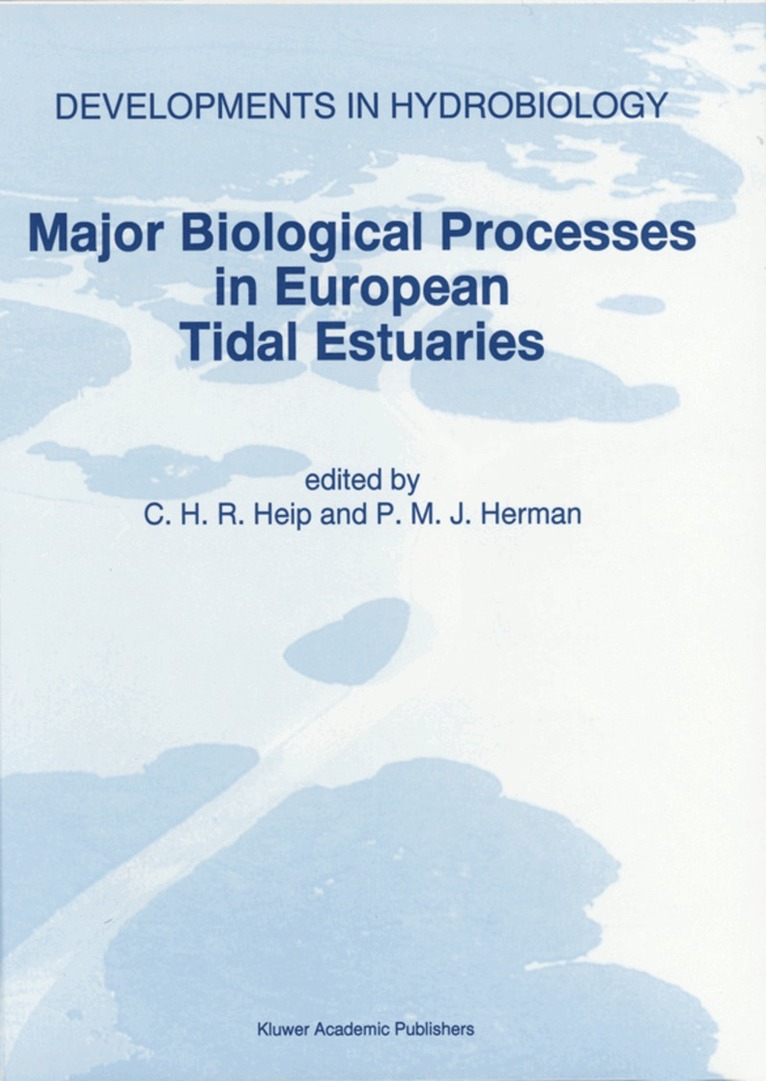
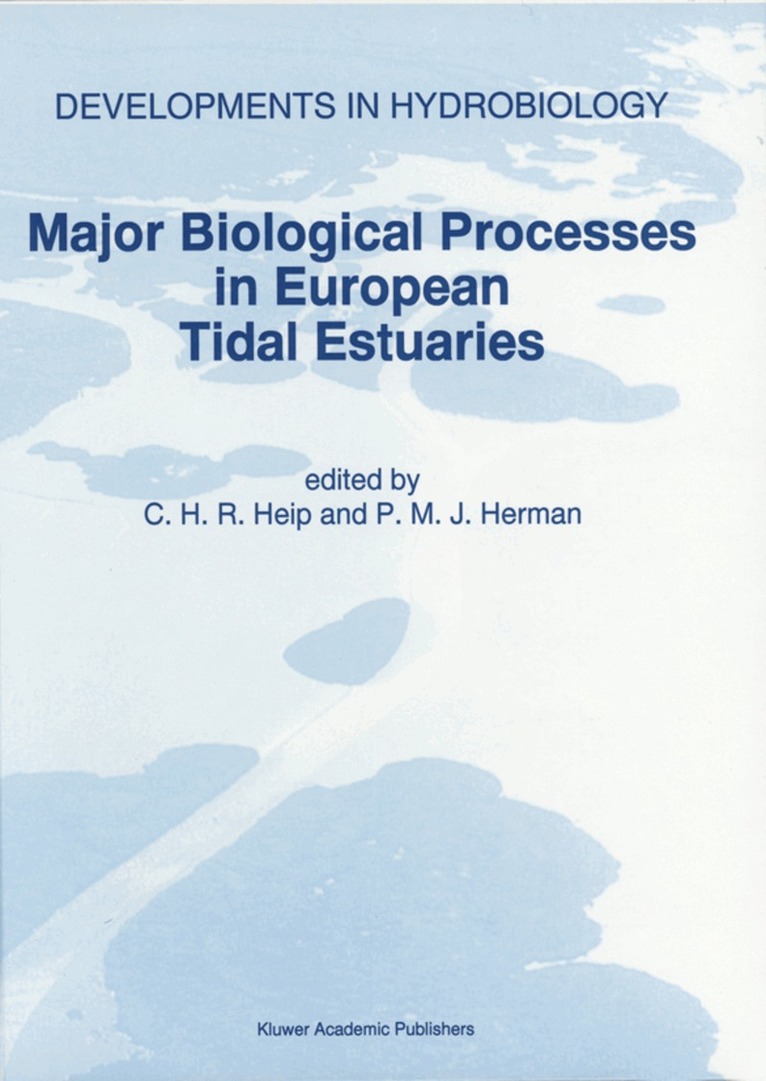
Table 1. State variables modeled in MOSES. State variable Units Estuaries are characterized by a strong diversity in car- bon sources. This is because of the existence of an 3 Fast-decay detritus g- intertidal habitat, the supply of nutrients and organic 3 Slow-decay detritus g- material from the river and from the sea and the input of 3 gCm- Freshwater diatoms matter from human origin. If turbidity remains limited, 3 Freshwater flagellates g- estuaries can also support a high primary production 3 Brackish and marine diatoms g- as nutrients are abundant. Nevertheless, estuaries are 3 Cm- Brackish and marine flagellates usually heterotrophic ecosystems (Billen et aI. , 1991; 3 gCm- Micro-zooplankton Smith & Hollibaugh, 1993) where respiratory process- 3 Brackish meso-zooplankton gCm- 3 es exceed in situ production. Marine meso-zooplankton gCm- 2 3 gCm- The Westerschelde estuary (260 km in SAWES, Hyperbenthos 3 gSim- Detrital silicate 1991) drains about 21580 square kilometres ofland in 3 gSim- Dissolved silicate one of the most densely populated and highly industri- 3 gNm- Nitrate and nitrite alised regions of Europe (Wollast, 1988).This estuary 3 gNm- Ammonia is unusual due to the high degree of eutrophication 3 gOm- Oxygen which results from the discharge of untreated wastes 3 gCl m- Chlorides (Heip, 1988) and due to the high residence time of the 3 gm- Suspended matter water masses (Soetaert & Herman, 1995a).
1 589 kr
Skickas inom 10-15 vardagar
Proceedings of the Fifth International Meiofauna Conference held in Ghent, Belgium, August 16-20, 1983.
Long-Term Changes in Coastal Benthic Communities
Proceedings of a Symposium, held in Brussels, Belgium, December 9–12,1985
Inbunden, Engelska, 1987
2 117 kr
Skickas inom 10-15 vardagar
This volume contains the papers and abstracts of the posters given at the symposium on Long-term Changes in Coastal Benthic Communities organized by the Commission of the European Communities in Brussels, Belgium from 9 till 12 December 1985. The organization of this symposium came to conclude five years of activities in the COST 647 project on Coastal Benthic Ecology, the rationale of which is explained in the foreword by B. F. Keegan. The importance of this volume is that for the first time special attention is given to long-term data series of relevant biological variables collected in different marine benthic habitats. Many of the data presented here are the result of years of careful data collection by some of the leading scientists in the field of benthic ecology. Some of the series, such as the Macoma balthica data from the Wadden Sea or the macrofauna data from Loch Linnhe, to name just those two, are already classics in the marine biological literature. Other data were collected in the framework of a monitoring programme and are now analyzed for the first time in the different perspective of the COST 647 project. Several papers are from related fields where they represent well known case studies; they were chosen in order to see how problems have been tackled elsewhere.
1 062 kr
Skickas inom 10-15 vardagar
Table 1. State variables modeled in MOSES. State variable Units Estuaries are characterized by a strong diversity in car- bon sources. This is because of the existence of an 3 Fast-decay detritus g- intertidal habitat, the supply of nutrients and organic 3 Slow-decay detritus g- material from the river and from the sea and the input of 3 gCm- Freshwater diatoms matter from human origin. If turbidity remains limited, 3 Freshwater flagellates g- estuaries can also support a high primary production 3 Brackish and marine diatoms g- as nutrients are abundant. Nevertheless, estuaries are 3 Cm- Brackish and marine flagellates usually heterotrophic ecosystems (Billen et aI. , 1991; 3 gCm- Micro-zooplankton Smith & Hollibaugh, 1993) where respiratory process- 3 Brackish meso-zooplankton gCm- 3 es exceed in situ production. Marine meso-zooplankton gCm- 2 3 gCm- The Westerschelde estuary (260 km in SAWES, Hyperbenthos 3 gSim- Detrital silicate 1991) drains about 21580 square kilometres ofland in 3 gSim- Dissolved silicate one of the most densely populated and highly industri- 3 gNm- Nitrate and nitrite alised regions of Europe (Wollast, 1988).This estuary 3 gNm- Ammonia is unusual due to the high degree of eutrophication 3 gOm- Oxygen which results from the discharge of untreated wastes 3 gCl m- Chlorides (Heip, 1988) and due to the high residence time of the 3 gm- Suspended matter water masses (Soetaert & Herman, 1995a).