Chris Featherman - Böcker
Visar alla böcker från författaren Chris Featherman. Handla med fri frakt och snabb leverans.
2 produkter
2 produkter
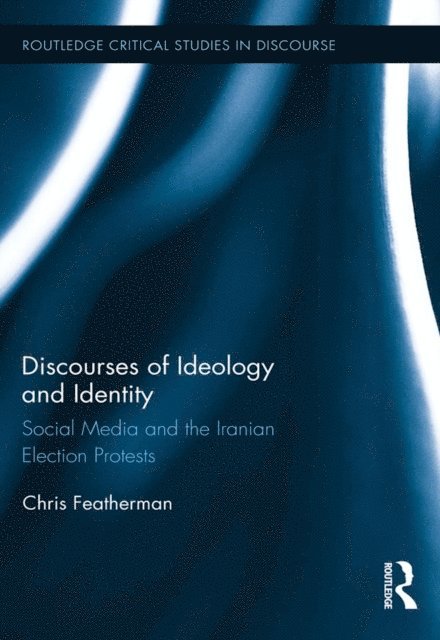
Discourses of Ideology and Identity
Social Media and the Iranian Election Protests
Häftad, Engelska, 2018
480 kr
Skickas inom 10-15 vardagar
In this monograph, Chris Featherman adopts a discourse analytical approach to explore the ways in which social movement ideologies and identities are discursively constructed in new and old media. In the context of his argument, Featherman also considers current debates surrounding the role that technologies play in democracy-building and global activist networks. He engages these critical issues through a case study of the 2009 Iranian presidential election protests, looking at both US legacy media coverage of the protests as well as activists’ use of social media. Through qualitative analysis of a corpus of activists’ Twitter tweets and Flickr uploads, Featherman argues that activists’ social media discourses and protesters’ symbolic and tactical borrowing of global English contribute to micronarratives of globalization, while also calling into question master narratives about Iran commonly found in mainstream Western media accounts. This volume makes a timely contribution to discussions regarding the relationship between cyber-rhetoric and democracy, and provides new directions for researchers engaging with the influence of new media on globalized vernaculars of English.
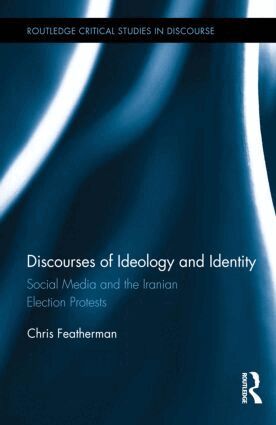
Discourses of Ideology and Identity
Social Media and the Iranian Election Protests
Inbunden, Engelska, 2015
1 397 kr
Skickas inom 10-15 vardagar
In this monograph, Chris Featherman adopts a discourse analytical approach to explore the ways in which social movement ideologies and identities are discursively constructed in new and old media. In the context of his argument, Featherman also considers current debates surrounding the role that technologies play in democracy-building and global activist networks. He engages these critical issues through a case study of the 2009 Iranian presidential election protests, looking at both US legacy media coverage of the protests as well as activists’ use of social media. Through qualitative analysis of a corpus of activists’ Twitter tweets and Flickr uploads, Featherman argues that activists’ social media discourses and protesters’ symbolic and tactical borrowing of global English contribute to micronarratives of globalization, while also calling into question master narratives about Iran commonly found in mainstream Western media accounts. This volume makes a timely contribution to discussions regarding the relationship between cyber-rhetoric and democracy, and provides new directions for researchers engaging with the influence of new media on globalized vernaculars of English.