Chris Maser – författare
995 kr
Skickas inom 10-15 vardagar
995 kr
Skickas inom 10-15 vardagar
2 068 kr
Skickas inom 10-15 vardagar
742 kr
Skickas inom 10-15 vardagar
735 kr
Skickas inom 10-15 vardagar
722 kr
Skickas inom 10-15 vardagar
917 kr
Skickas inom 10-15 vardagar
897 kr
Läs direkt efter köp
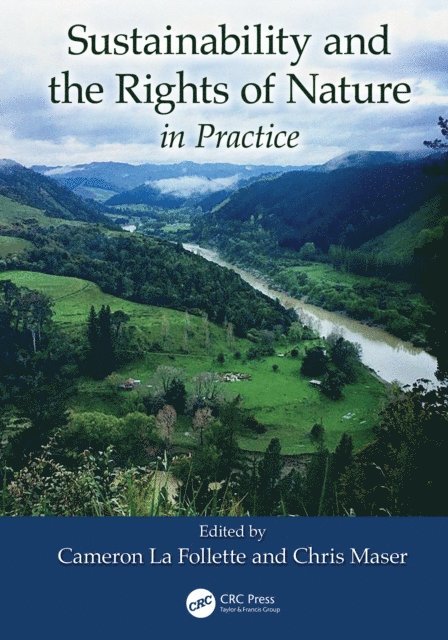
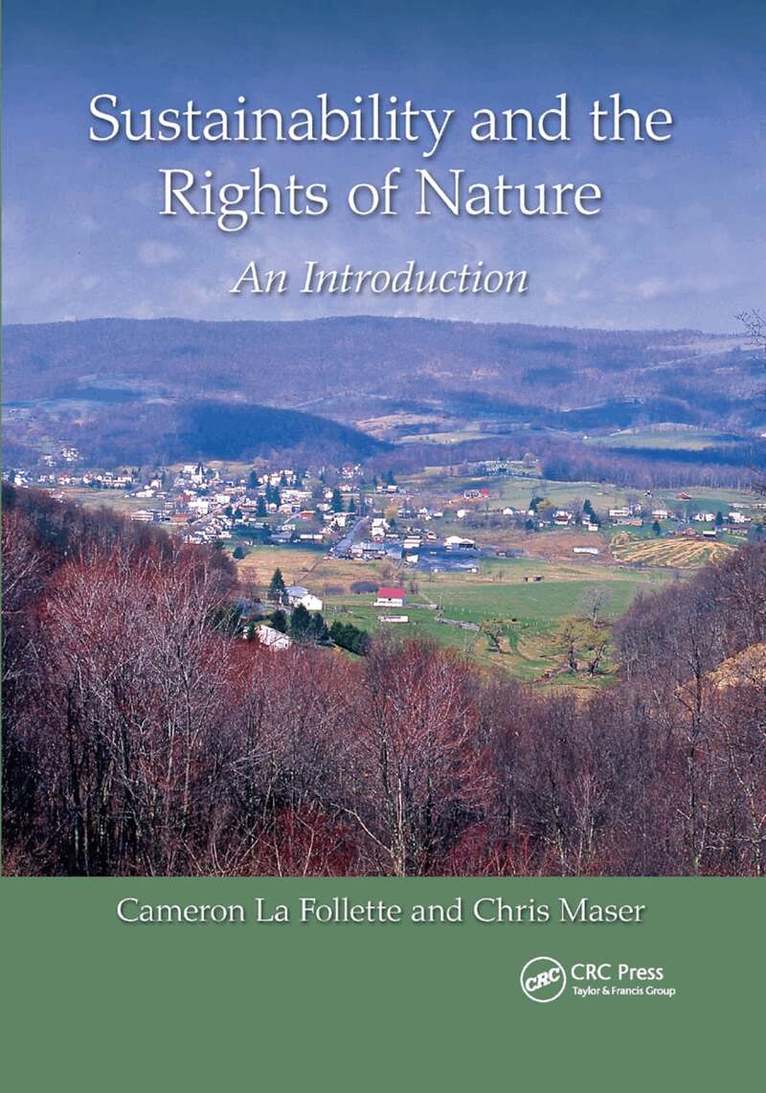
Sustainability and the Rights of Nature in Practice is the much-needed complementary volume to Sustainability and the Rights of Nature: An Introduction (CRC Press, May 2017). The first book laid out the international precursors for the Rights of Nature doctrine and described the changes required to create a Rights of Nature framework that supports Nature in a sustainable relationship rather than as an exploited resource. This follow-up work provides practitioners from diverse cultures around the world an opportunity to describe their own projects, successes, and challenges in moving toward a legal personhood for Nature. It includes contributions from Nepal, New Zealand, Canadian Native American cultures, Kiribati, the United States and Scotland, amongst others, by practitioners working on projects that can be integrated into a Rights of Nature framework. The authors also tackle required changes to shift the paradigm, such as thinking of Nature in a sacred manner, reorienting Nature’s rights and human rights, the conceptualization of restoration, and the removal of large-scale energy infrastructure.
Curated by experts in the field, this expansive collection of papers will prove invaluable to a wide array of policymakers and administrators, environmental advocates and conservation groups, tribal land managers, and communities seeking to create or maintain a sustainable relationship with Nature.
Features:
Addresses existing projects that are successfully implementing a Rights of Nature legal framework, including the difference it makes in practice
Presents the voices of practitioners not often recognized who are working in innovative ways towards sustainability and the need to grant a voice to Nature in human decision-making
Explores new ideas from the insights of a diverse range of cultures on how to grant legal personhood to Nature, restrain damaging human activity, create true sustainability, and glimpse how a Rights of Nature paradigm can work in different societies
Details the potential pitfalls to Rights of Nature governance and land use decisions from people doing the work, as well as their solutions
Discusses the basic human needs for shelter, food, and community in entirely new ways: in relationship with Nature, rather than in conquest of it
Chapter 6 of this book is freely available as a downloadable Open Access PDF under a Creative Commons Attribution-Non Commercial-No Derivatives 4.0 license available at http://www.taylorfrancis.com/books/e/9780429505959
897 kr
Läs direkt efter köp
Sustainability and the Rights of Nature in Practice is the much-needed complementary volume to Sustainability and the Rights of Nature: An Introduction (CRC Press, May 2017). The first book laid out the international precursors for the Rights of Nature doctrine and described the changes required to create a Rights of Nature framework that supports Nature in a sustainable relationship rather than as an exploited resource. This follow-up work provides practitioners from diverse cultures around the world an opportunity to describe their own projects, successes, and challenges in moving toward a legal personhood for Nature. It includes contributions from Nepal, New Zealand, Canadian Native American cultures, Kiribati, the United States and Scotland, amongst others, by practitioners working on projects that can be integrated into a Rights of Nature framework. The authors also tackle required changes to shift the paradigm, such as thinking of Nature in a sacred manner, reorienting Nature’s rights and human rights, the conceptualization of restoration, and the removal of large-scale energy infrastructure.
Curated by experts in the field, this expansive collection of papers will prove invaluable to a wide array of policymakers and administrators, environmental advocates and conservation groups, tribal land managers, and communities seeking to create or maintain a sustainable relationship with Nature.
Features:
Addresses existing projects that are successfully implementing a Rights of Nature legal framework, including the difference it makes in practice
Presents the voices of practitioners not often recognized who are working in innovative ways towards sustainability and the need to grant a voice to Nature in human decision-making
Explores new ideas from the insights of a diverse range of cultures on how to grant legal personhood to Nature, restrain damaging human activity, create true sustainability, and glimpse how a Rights of Nature paradigm can work in different societies
Details the potential pitfalls to Rights of Nature governance and land use decisions from people doing the work, as well as their solutions
Discusses the basic human needs for shelter, food, and community in entirely new ways: in relationship with Nature, rather than in conquest of it
Chapter 6 of this book is freely available as a downloadable Open Access PDF under a Creative Commons Attribution-Non Commercial-No Derivatives 4.0 license available at http://www.taylorfrancis.com/books/e/9780429505959
774 kr
Läs direkt efter köp
774 kr
Läs direkt efter köp
425 kr
Skickas inom 5-8 vardagar
640 kr
Skickas inom 5-8 vardagar
690 kr
Läs direkt efter köp
690 kr
Läs direkt efter köp
758 kr
Läs direkt efter köp
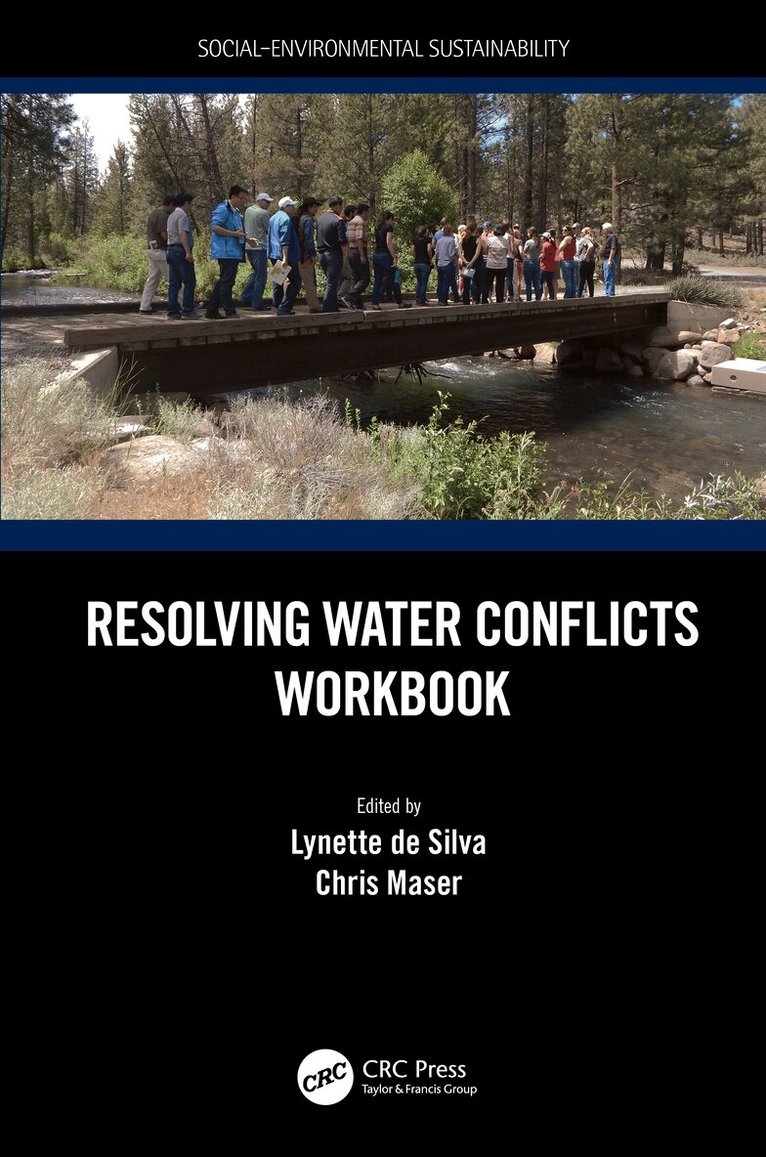
This book works to build trust, consensus, and capacity to enhance understanding through a water conflict management framework designed to bolster collaborative skills. Built on case-studies analysis and hands-on real-life applications, it addresses issues of water insecurity of marginalized systems and communities, global water viability, institutional resilience, and the inclusion of faith-based traditions for climate action. The authors assess the complexities of climate challenges and explain how to create sustainable, effective, and efficient water approaches for an improved ecological and socioeconomic future within the UN''s Sustainable Development Goals.
758 kr
Läs direkt efter köp
This book works to build trust, consensus, and capacity to enhance understanding through a water conflict management framework designed to bolster collaborative skills. Built on case-studies analysis and hands-on real-life applications, it addresses issues of water insecurity of marginalized systems and communities, global water viability, institutional resilience, and the inclusion of faith-based traditions for climate action. The authors assess the complexities of climate challenges and explain how to create sustainable, effective, and efficient water approaches for an improved ecological and socioeconomic future within the UN''s Sustainable Development Goals.
908 kr
Läs direkt efter köp
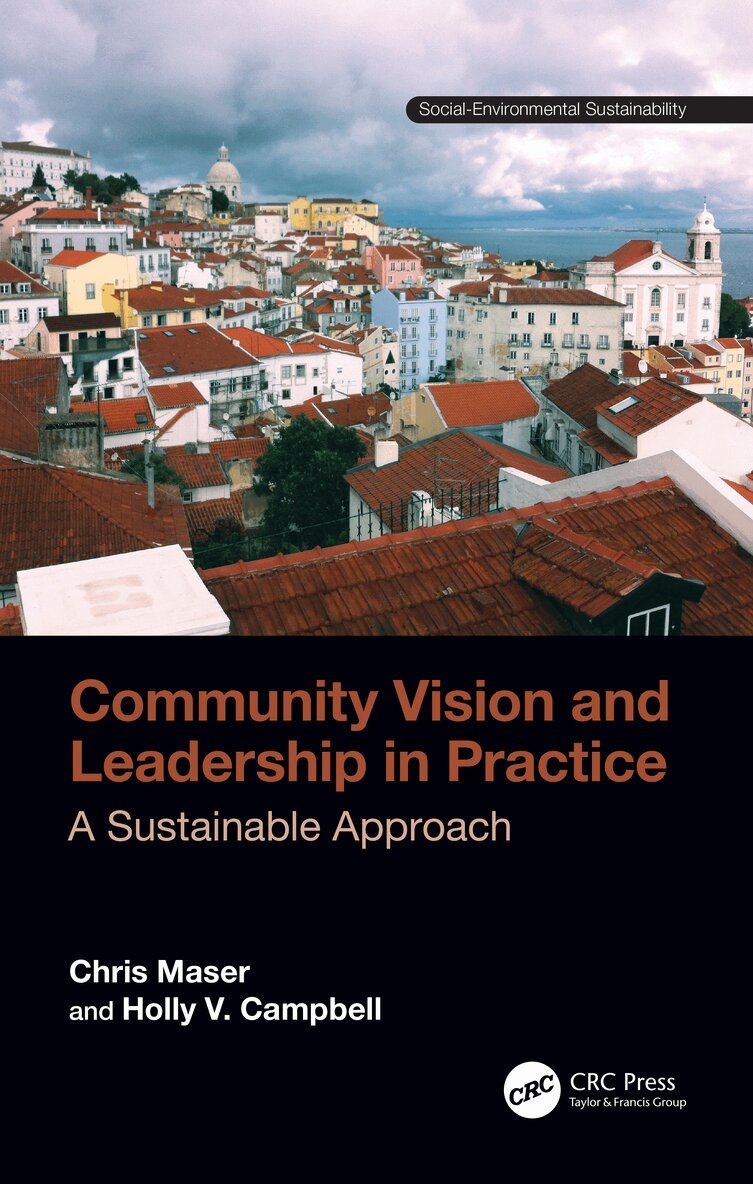
This book is about building and maintaining involved, sustainable, and inclusive communities from the ground up during a period of unprecedented growth and global change. It explains the concepts and principles of community and sustainability and provides students with a framework of sustainable community planning to put into practice. It is also designed to help communities everywhere identify and reconnect the true essence of their ecological setting with the objective of raising their quality of life by increasing social, environmental, and economic sustainability.
Features:
Provides up-to-date frameworks for sustainable community planning processes and case studies on community planning Explains tools for sustainable planning in accessible (non-specialist) language Illustrates a roadmap to an inclusive, collaborative future Explains aspects of sustainable community planning to maximize ecological ecosystem services and climate co-benefits simultaneously Includes discussion questions and suggestions following each chapterIntended for undergraduate and graduate students taking leadership and community courses with an emphasis on sustainable practices and ethics, as well as for citizens and professionals involved in community projects related to sustainability, the authors provide a forward-thinking approach, showing readers that they are capable of making a positive impact on the future of community development through sustainable approaches and ethical leadership practices.
908 kr
Läs direkt efter köp
This book is about building and maintaining involved, sustainable, and inclusive communities from the ground up during a period of unprecedented growth and global change. It explains the concepts and principles of community and sustainability and provides students with a framework of sustainable community planning to put into practice. It is also designed to help communities everywhere identify and reconnect the true essence of their ecological setting with the objective of raising their quality of life by increasing social, environmental, and economic sustainability.
Features:
Provides up-to-date frameworks for sustainable community planning processes and case studies on community planning Explains tools for sustainable planning in accessible (non-specialist) language Illustrates a roadmap to an inclusive, collaborative future Explains aspects of sustainable community planning to maximize ecological ecosystem services and climate co-benefits simultaneously Includes discussion questions and suggestions following each chapterIntended for undergraduate and graduate students taking leadership and community courses with an emphasis on sustainable practices and ethics, as well as for citizens and professionals involved in community projects related to sustainability, the authors provide a forward-thinking approach, showing readers that they are capable of making a positive impact on the future of community development through sustainable approaches and ethical leadership practices.
556 kr
Läs direkt efter köp
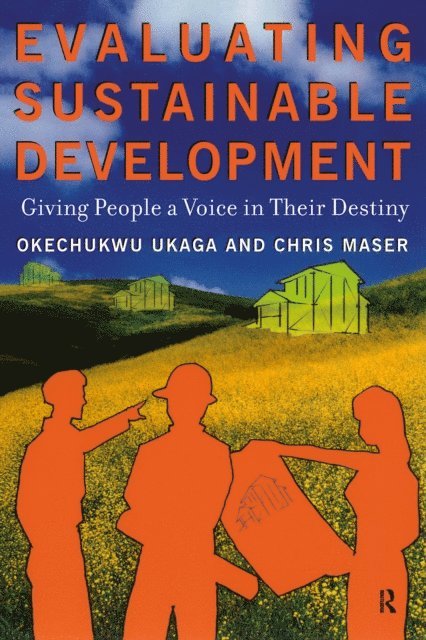
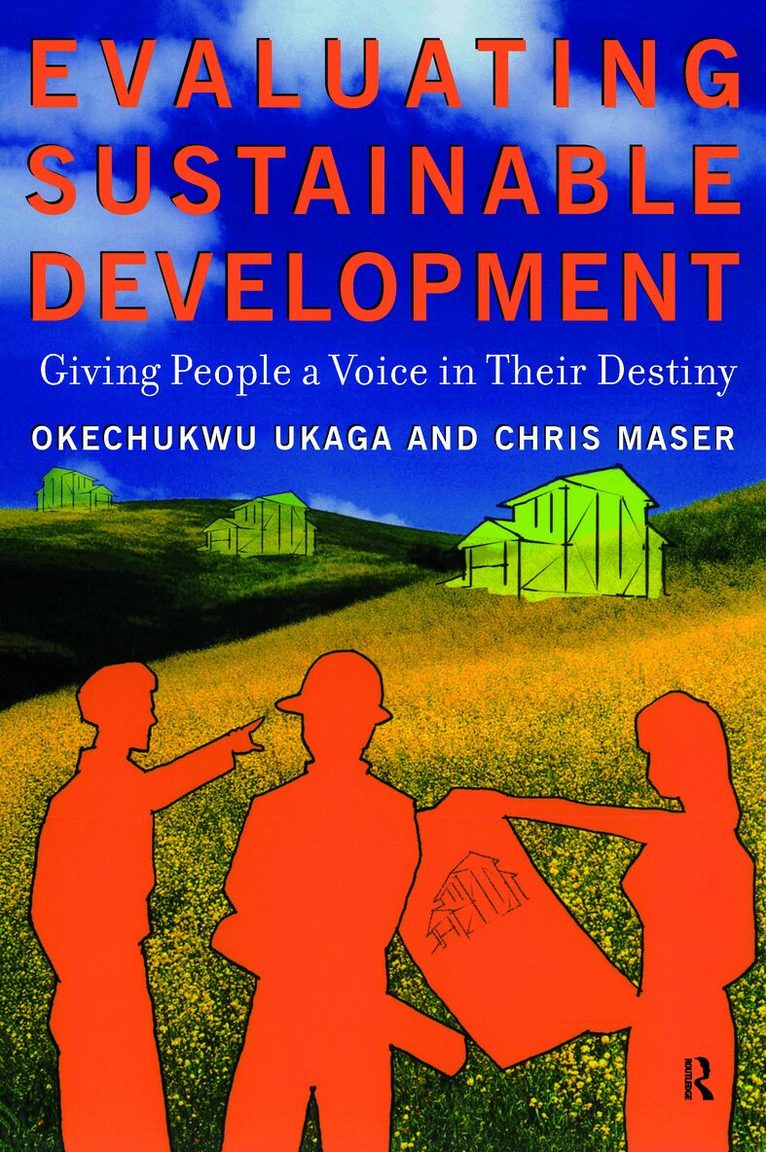
This book presents the principles and the tools for participatory evaluation of sustainable development--growth that does not compromise the ability of future generations to meet their needs. It is intended for any citizen or group that may be concerned with protecting or recovering a cultural heritage, assessing the impact of a project or of plans that impact an environment or ecosystem.The authors describe participatory evaluation processes that will empower all interested "stakeholders"--anyone impacted by a proposed venture--to determine and control what is to be evaluated and how it is evaluated, to articulate and define their community’s vision, and to ensure that development plans meet their community’s needs sustainably. Acknowledging that the specific concepts, challenges, opportunities, and circumstances surrounding sustainable development differ significantly from one place or group to another, the authors provide an adaptable framework for developing an evaluation plan, as well as the tools for collecting, analyzing, interpreting and presenting data. They explain how to use and communicate findings to ensure a full and appropriate debate about the issues, and finally how to implement the evaluation plan.An important and practical book for anyone concerned with the impact of planning and development issues and who wants to ensure that all sectors of their community are given a voice in decisions that affect them.
556 kr
Läs direkt efter köp
This book presents the principles and the tools for participatory evaluation of sustainable development--growth that does not compromise the ability of future generations to meet their needs. It is intended for any citizen or group that may be concerned with protecting or recovering a cultural heritage, assessing the impact of a project or of plans that impact an environment or ecosystem.The authors describe participatory evaluation processes that will empower all interested "stakeholders"--anyone impacted by a proposed venture--to determine and control what is to be evaluated and how it is evaluated, to articulate and define their community’s vision, and to ensure that development plans meet their community’s needs sustainably. Acknowledging that the specific concepts, challenges, opportunities, and circumstances surrounding sustainable development differ significantly from one place or group to another, the authors provide an adaptable framework for developing an evaluation plan, as well as the tools for collecting, analyzing, interpreting and presenting data. They explain how to use and communicate findings to ensure a full and appropriate debate about the issues, and finally how to implement the evaluation plan.An important and practical book for anyone concerned with the impact of planning and development issues and who wants to ensure that all sectors of their community are given a voice in decisions that affect them.
670 kr
Skickas inom 10-15 vardagar
800 kr
Skickas inom 10-15 vardagar
1 827 kr
Skickas inom 10-15 vardagar
793 kr
Skickas inom 10-15 vardagar
683 kr
Skickas inom 10-15 vardagar
805 kr
Läs direkt efter köp
1 083 kr
Läs direkt efter köp
866 kr
Läs direkt efter köp
1 346 kr
Läs direkt efter köp