Chris Riccomini – författare
Visar alla böcker från författaren . Handla med fri frakt och snabb leverans.
7 produkter
7 produkter
Häftad, Engelska, 2026
672 kr
Skickas inom 5-8 vardagar
Data is at the center of many challenges in system design today. Difficult issues such as scalability, consistency, reliability, efficiency, and maintainability need to be resolved. In addition, there's an overwhelming variety of tools and analytical systems, including relational databases, NoSQL datastores, plus data warehouses and data lakes. What are the right choices for your application? How do you make sense of all these buzzwords?In this second edition, authors Martin Kleppmann and Chris Riccomini build on the foundation laid in the acclaimed first edition, integrating new technologies and emerging trends. You'll be guided through the maze of decisions and trade-offs involved in building a modern data system, from choosing the right tools like Spark and Flink to understanding the intricacies of data laws like the GDPR.Peer under the hood of the systems you already use, and learn to use them more effectivelyMake informed decisions by identifying the strengths and weaknesses of different toolsNavigate the trade-offs around consistency, scalability, fault tolerance, and complexityUnderstand the distributed systems research upon which modern databases are builtPeek behind the scenes of major online services, and learn from their architectures
E-bok
Engelska, 2026688 kr
Läs direkt efter köp
Data is at the center of many challenges in system design today. Difficult issues such as scalability, consistency, reliability, efficiency, and maintainability need to be resolved. In addition, there's an overwhelming variety of systems, including relational databases, NoSQL datastores, data warehouses, and data lakes. There are cloud services, on-premises services, and embedded databases. What are the right choices for your application? How do you make sense of all these buzzwords?In this second edition, authors Martin Kleppmann and Chris Riccomini build on the foundation laid in the acclaimed first edition, integrating new technologies and emerging trends. You'll be guided through the maze of decisions and trade-offs involved in building a modern data system, learn how to choose the right tools for your needs, and understand the fundamentals of distributed systems. Peer under the hood of the systems you already use, and learn to use them more effectivelyMake informed decisions by identifying the strengths and weaknesses of different toolsLearn how major cloud services are designed for scalability, fault tolerance, and consistencyUnderstand the core principles upon which modern databases are built
E-bok
PDF, Engelska, 2026688 kr
Läs direkt efter köp
Data is at the center of many challenges in system design today. Difficult issues such as scalability, consistency, reliability, efficiency, and maintainability need to be resolved. In addition, there's an overwhelming variety of systems, including relational databases, NoSQL datastores, data warehouses, and data lakes. There are cloud services, on-premises services, and embedded databases. What are the right choices for your application? How do you make sense of all these buzzwords?In this second edition, authors Martin Kleppmann and Chris Riccomini build on the foundation laid in the acclaimed first edition, integrating new technologies and emerging trends. You'll be guided through the maze of decisions and trade-offs involved in building a modern data system, learn how to choose the right tools for your needs, and understand the fundamentals of distributed systems. Peer under the hood of the systems you already use, and learn to use them more effectivelyMake informed decisions by identifying the strengths and weaknesses of different toolsLearn how major cloud services are designed for scalability, fault tolerance, and consistencyUnderstand the core principles upon which modern databases are built
Häftad, Engelska, 2021
283 kr
Skickas inom 5-8 vardagar
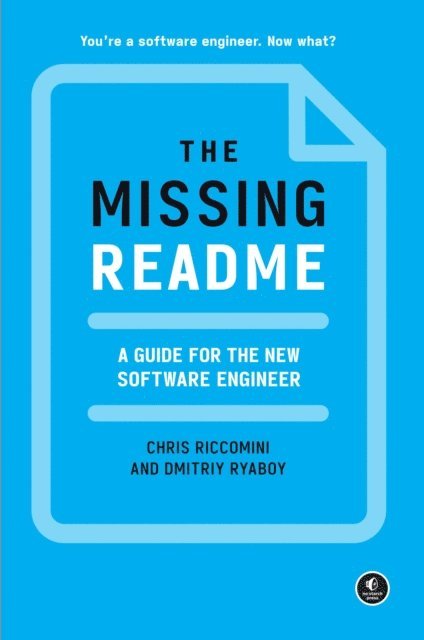
For new software engineers, knowing how to programme is only half the battle, and many of the skills and processes key to success are not taught in any school or bootcamp. The Missing README fills in that gap with workplace lessons, best practices, and engineering fundamentals that the authors have taught rookie developers at top companies for more than a decade. This is the book your tech lead wishes every new engineer would read before they start. By the end, you'll know what it takes to transition into the workplace - from CS classes or bootcamps to professional software engineering.
E-bok
Engelska, 2021270 kr
Läs direkt efter köp
Häftad, Spanska, 2026
517 kr
Skickas inom 5-8 vardagar
E-bok
Spanska, 2026734 kr
Läs direkt efter köp
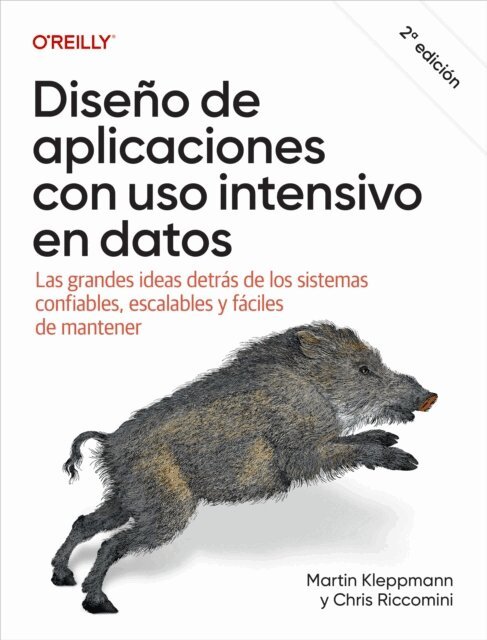
Los datos son el centro de muchos retos en el diseo de sistemas actual. Es necesario resolver cuestiones difciles como la escalabilidad, la coherencia, la fiabilidad, la eficiencia y la facilidad de mantenimiento. Adems, existe una abrumadora variedad de sistemas, entre los que se incluyen bases de datos relacionales, almacenes de datos NoSQL, almacenes de datos y lagos de datos. Hay servicios en la nube, servicios locales y bases de datos integradas. Cules son las opciones adecuadas para tu aplicacin? Cmo entender todos estos trminos de moda? En esta segunda edicin, los autores Martin Kleppmann y Chris Riccomini se basan en los fundamentos establecidos en la aclamada primera edicin, integrando nuevas tecnologas y tendencias emergentes. Te guiarn a travs del laberinto de decisiones y concesiones que implica la creacin de un sistema de datos moderno, aprenders a elegir las herramientas adecuadas para tus necesidades y comprenders los fundamentos de los sistemas distribuidos. Echa un vistazo bajo el cap de los sistemas que ya utilizas y aprende a utilizarlos de forma ms eficaz. Toma decisiones informadas identificando las fortalezas y debilidades de las diferentes herramientas. Aprende cmo se disean los principales servicios en la nube para ofrecer escalabilidad, tolerancia a fallos y coherencia. Comprende los principios bsicos sobre los que se construyen las bases de datos modernas.