Christer Brönmark - Böcker
Visar alla böcker från författaren Christer Brönmark. Handla med fri frakt och snabb leverans.
4 produkter
4 produkter
1 444 kr
Skickas inom 5-8 vardagar
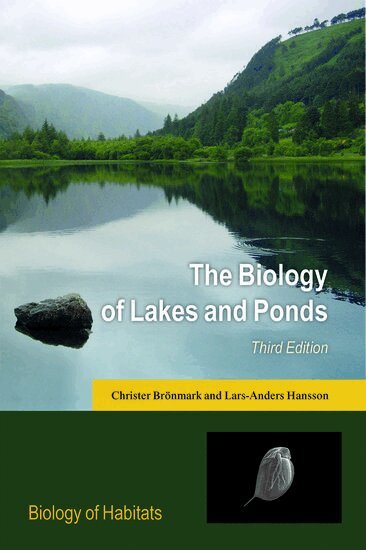
A concise but comprehensive introduction to the biology of standing waters (lakes and ponds). As with other books in the Biology of Habitats Series, the emphasis in this book is on the organisms that dominate freshwater environments. Management and conservation aspects are also considered. The first edition of the book published in 1998 with a second, revised edition in 2005. There has been significant development in the field since the last revision appeared, particularly in the ecology of lakes and ponds in subtropical and tropical areas, and a new revision of this now classic text is timely.
634 kr
Skickas
A concise but comprehensive introduction to the biology of standing waters (lakes and ponds). As with other books in the Biology of Habitats Series, the emphasis in this book is on the organisms that dominate freshwater environments. Management and conservation aspects are also considered. The first edition of the book published in 1998 with a second, revised edition in 2005. There has been significant development in the field since the last revision appeared, particularly in the ecology of lakes and ponds in subtropical and tropical areas, and a new revision of this now classic text is timely.
2 019 kr
Skickas inom 5-8 vardagar
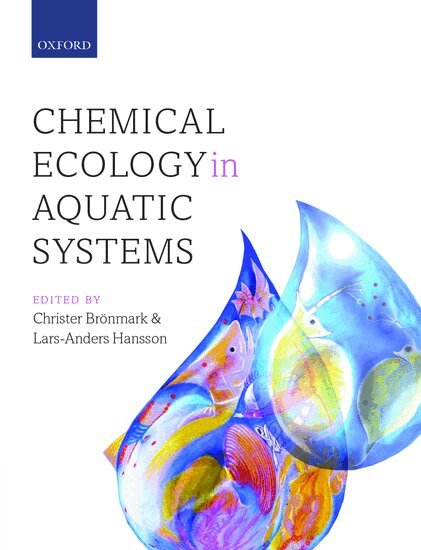
In recent years it has become increasingly clear that chemical interactions play a fundamental role in aquatic habitats and have far-reaching evolutionary and ecological consequences. A plethora of studies have shown that aquatic organisms from most taxa and functional groups respond to minute concentrations of chemical substances released by other organisms. However, our knowledge of this "chemical network" is still negligible. Chemical interactions can be divided into two larger sub-areas based on the function of the chemical substance. First, there are interactions where chemical substances are toxic to other organisms and are used as a defence against consumers (including both herbivores and predators) or a weapon against competitors (allelopathy). Second, chemical substances may be used as a source for information of the environment; for example: how can I find the optimal habitat, the best food, the nicest partner, and avoid being eaten? Aquatic organisms are able to detect and respond to extremely low concentrations of chemical cues to answer all these questions. The book aims at connecting these intriguing chemical interactions with traditional knowledge of organism interactions.Chemical Ecology of Aquatic Systems covers a wide range of studies, both plant and animal, from different geographic regions and habitats - pelagic as well as benthic. Most of the chemical interactions are similar in freshwater and marine habitats and this book therefore strives at integrating work on both systems.
766 kr
Skickas inom 7-10 vardagar
In recent years it has become increasingly clear that chemical interactions play a fundamental role in aquatic habitats and have far-reaching evolutionary and ecological consequences. A plethora of studies have shown that aquatic organisms from most taxa and functional groups respond to minute concentrations of chemical substances released by other organisms. However, our knowledge of this "chemical network" is still negligible. Chemical interactions can be divided into two larger sub-areas based on the function of the chemical substance. First, there are interactions where chemical substances are toxic to other organisms and are used as a defence against consumers (including both herbivores and predators) or a weapon against competitors (allelopathy). Second, chemical substances may be used as a source for information of the environment; for example: how can I find the optimal habitat, the best food, the nicest partner, and avoid being eaten? Aquatic organisms are able to detect and respond to extremely low concentrations of chemical cues to answer all these questions. The book aims at connecting these intriguing chemical interactions with traditional knowledge of organism interactions.Chemical Ecology of Aquatic Systems covers a wide range of studies, both plant and animal, from different geographic regions and habitats - pelagic as well as benthic. Most of the chemical interactions are similar in freshwater and marine habitats and this book therefore strives at integrating work on both systems.