Christian Delage - Böcker
Visar alla böcker från författaren Christian Delage. Handla med fri frakt och snabb leverans.
4 produkter
4 produkter
2 306 kr
Skickas inom 10-15 vardagar
The Scene of the Mass Crime takes up the unwritten history of the peculiar yet highly visible form of war crimes trials. These trials are the first and continuing site of the interface of law, history and film. From Nuremberg to the contemporary trials in Cambodia, film, in particular, has been crucial both as evidence of atrocity and as the means of publicizing the proceedings. But what does film bring to justice? Can law successfully address war crimes, atrocities, genocide? What do the trials actually show? What form of justice is done, and how does it relate to ordinary courts and proceedings? What lessons can be drawn from this history for the very topical political issue of filming civil and criminal trials? This book takes up the diversity and complexity of these idiosyncratic and, in strict terms, generally extra-legal medial situations. Drawing on a fascinating diversity of public trials and filmic responses, from the Trial of the Gang of Four to the Gacaca local courts of Rwanda to the filmic symbolism of 9-11, from Soviet era show trials to Nazi People's Courts leading international scholars address the theatrical, political, filmic and symbolic importance of show trials in making history, legitimating regimes and, most surprising of all, in attempting to heal trauma through law and through film. These essays will be of considerable interest to those working on international criminal law, transitional justice, genocide studies, and the relationship between law and film.
649 kr
Skickas inom 10-15 vardagar
The Scene of the Mass Crime takes up the unwritten history of the peculiar yet highly visible form of war crimes trials. These trials are the first and continuing site of the interface of law, history and film. From Nuremberg to the contemporary trials in Cambodia, film, in particular, has been crucial both as evidence of atrocity and as the means of publicizing the proceedings. But what does film bring to justice? Can law successfully address war crimes, atrocities, genocide? What do the trials actually show? What form of justice is done, and how does it relate to ordinary courts and proceedings? What lessons can be drawn from this history for the very topical political issue of filming civil and criminal trials? This book takes up the diversity and complexity of these idiosyncratic and, in strict terms, generally extra-legal medial situations. Drawing on a fascinating diversity of public trials and filmic responses, from the Trial of the Gang of Four to the Gacaca local courts of Rwanda to the filmic symbolism of 9-11, from Soviet era show trials to Nazi People's Courts leading international scholars address the theatrical, political, filmic and symbolic importance of show trials in making history, legitimating regimes and, most surprising of all, in attempting to heal trauma through law and through film. These essays will be of considerable interest to those working on international criminal law, transitional justice, genocide studies, and the relationship between law and film.
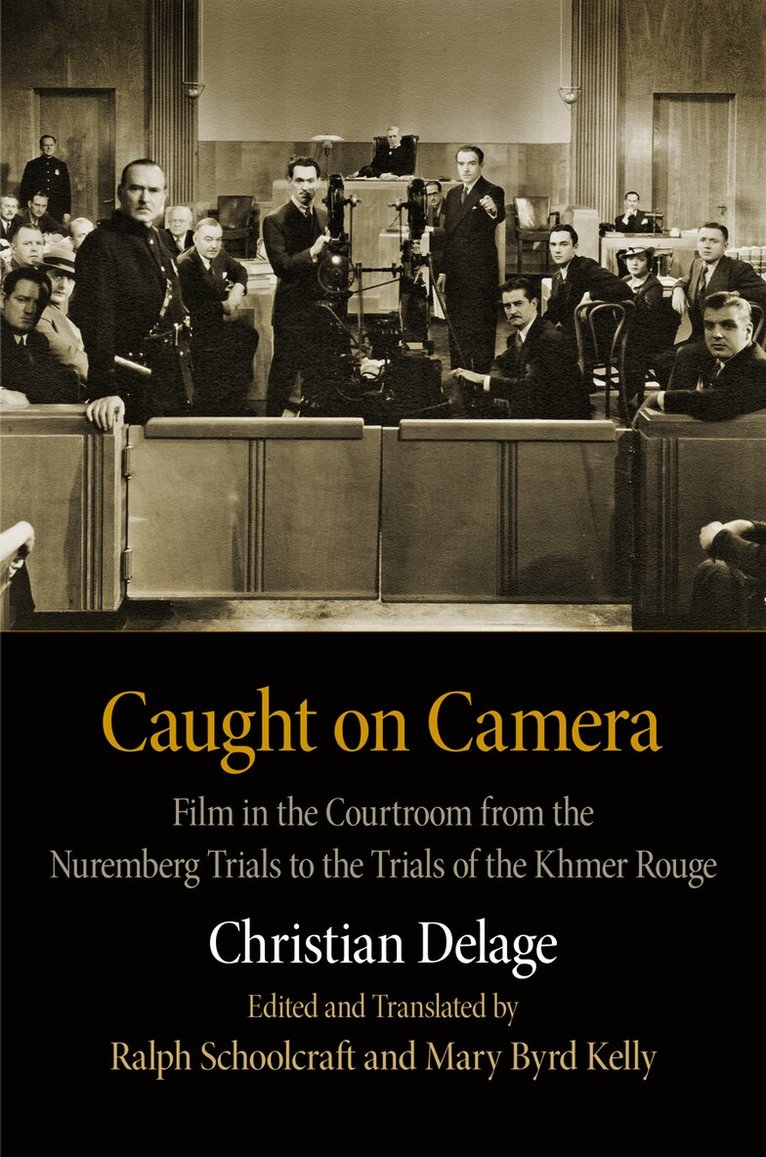
Caught on Camera
Film in the Courtroom from the Nuremberg Trials to the Trials of the Khmer Rouge
Inbunden, Engelska, 2013
786 kr
Skickas inom 7-10 vardagar
When the Allied forces of World War II formed an international tribunal to prosecute Nazi war crimes, they introduced two major innovations to court procedure. The prosecution projected film footage and newsreels shot by British, Soviet, and American soldiers as they discovered Nazi camps. These images, presented as human testimony and material evidence, were instrumental in naming and prosecuting war crimes. At the same time, the Nuremberg tribunal was filmed so that the memory of "the greatest trial in history" would remain strong in future generations. In the decades that followed, the use of film in the courtroom greatly influenced the conduct of the Eichmann trial-and subsequently the trials of Klaus Barbie, Paul Touvier, and Maurice Papon in France, as well as the proceedings against Slobodan MiloŠević and the Khmer Rouge Kang Kek lew.Combining the practical knowledge of a renowned director with the perspective of a historian and media specialist, Christian Delage examines archival footage from these trials and explores the conditions and consequences of using film for the purposes of justice and memory. Revised and expanded from the original French publication, Caught on Camera retraces the steps by which the United States pioneered jurisprudence that sanctioned the introduction of film as evidence and then established the precedent of preserving an audiovisual record of those proceedings. From the Nuremberg trials to the current Khmer Rouge trials, Delage considers how national attitudes toward the introduction of filmic evidence in court vary widely, and how different countries have sought to use film as a recordkeeping medium. Caught on Camera demonstrates how reproduced images, as evidence, testimony, and archival documentation, have influenced the writing of modern history.
1 991 kr
Skickas inom 3-6 vardagar
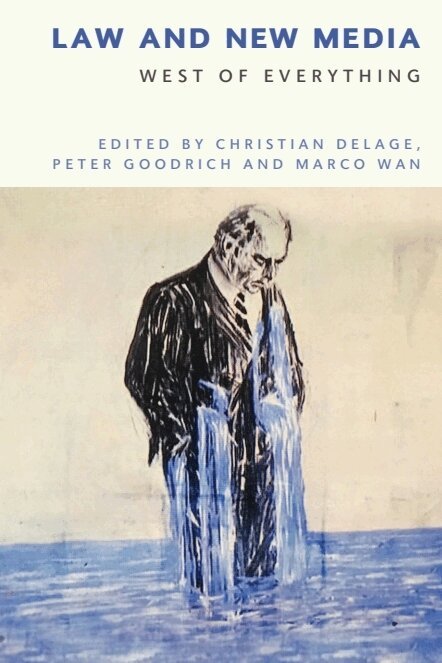
Will social media lead to social law? The force of legal remediation? Virtual courts and online judges? Paperless trials? Electronic discovery? All of these novel legal developments impact how we conceive of the practice of law. Here, international specialists from new and established domains of law, media, film and virtual studies address the emergence of the jurist in the era of digital transmission. From the cinema of the early 20th century to social media, this volume explores the multiple intersections of these visual technologies and the law from the theoretical insight they generate to the nature of law to the impact they have on doctrinal development.