Christian Fierens – författare
1 981 kr
Skickas inom 10-15 vardagar
551 kr
Skickas inom 10-15 vardagar
512 kr
Skickas inom 10-15 vardagar
2 099 kr
Skickas inom 10-15 vardagar
668 kr
Läs direkt efter köp
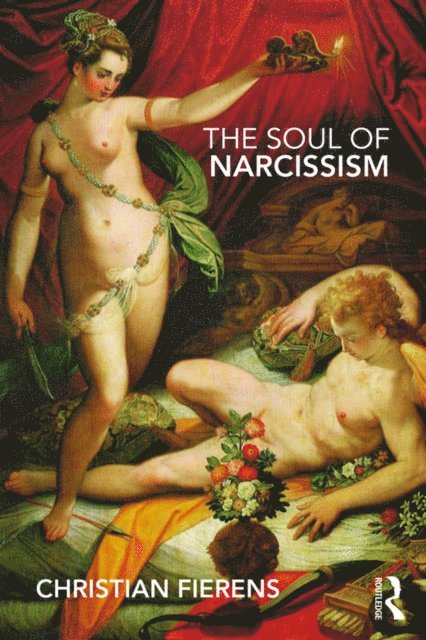
The notion of narcissism introduced by Sigmund Freud has become a victim of its own success. On the one hand, with its emphasis on self-love and new forms of well-being, it can take the form of a celebration of the self. On the other, with its range of negatively associated character traits, it has given rise to a burgeoning field of narcissistic pathologies.
The Soul of Narcissism argues that both perspectives represent impoverished and superfluous forms of narcissism, obscuring the vibrant notion that Freud put in place in order to question the very heart of psychoanalytic practice. This book proceeds by examining Freud’s introduction of narcissism in its historical context as a movement of reflexion on the clinical practice of psychoanalysis, putting forward a close reading of Freud’s writings that led up to his seminal paper "On Narcissism: An Introduction". Against the trend of current perceptions, it re-establishes narcissism as a methodology of reflexion upon clinical practice and theory, whose very motor is the unconscious.
In this way narcissism is restored to its fundamental place in psychoanalysis, rich with all of the life of the drives. This reinvigorated notion of narcissism will be of interest not just to students and practitioners of psychoanalysis, but also to all those who draw upon Freud’s study of narcissism.
668 kr
Läs direkt efter köp
The notion of narcissism introduced by Sigmund Freud has become a victim of its own success. On the one hand, with its emphasis on self-love and new forms of well-being, it can take the form of a celebration of the self. On the other, with its range of negatively associated character traits, it has given rise to a burgeoning field of narcissistic pathologies.
The Soul of Narcissism argues that both perspectives represent impoverished and superfluous forms of narcissism, obscuring the vibrant notion that Freud put in place in order to question the very heart of psychoanalytic practice. This book proceeds by examining Freud’s introduction of narcissism in its historical context as a movement of reflexion on the clinical practice of psychoanalysis, putting forward a close reading of Freud’s writings that led up to his seminal paper "On Narcissism: An Introduction". Against the trend of current perceptions, it re-establishes narcissism as a methodology of reflexion upon clinical practice and theory, whose very motor is the unconscious.
In this way narcissism is restored to its fundamental place in psychoanalysis, rich with all of the life of the drives. This reinvigorated notion of narcissism will be of interest not just to students and practitioners of psychoanalysis, but also to all those who draw upon Freud’s study of narcissism.
459 kr
Läs direkt efter köp
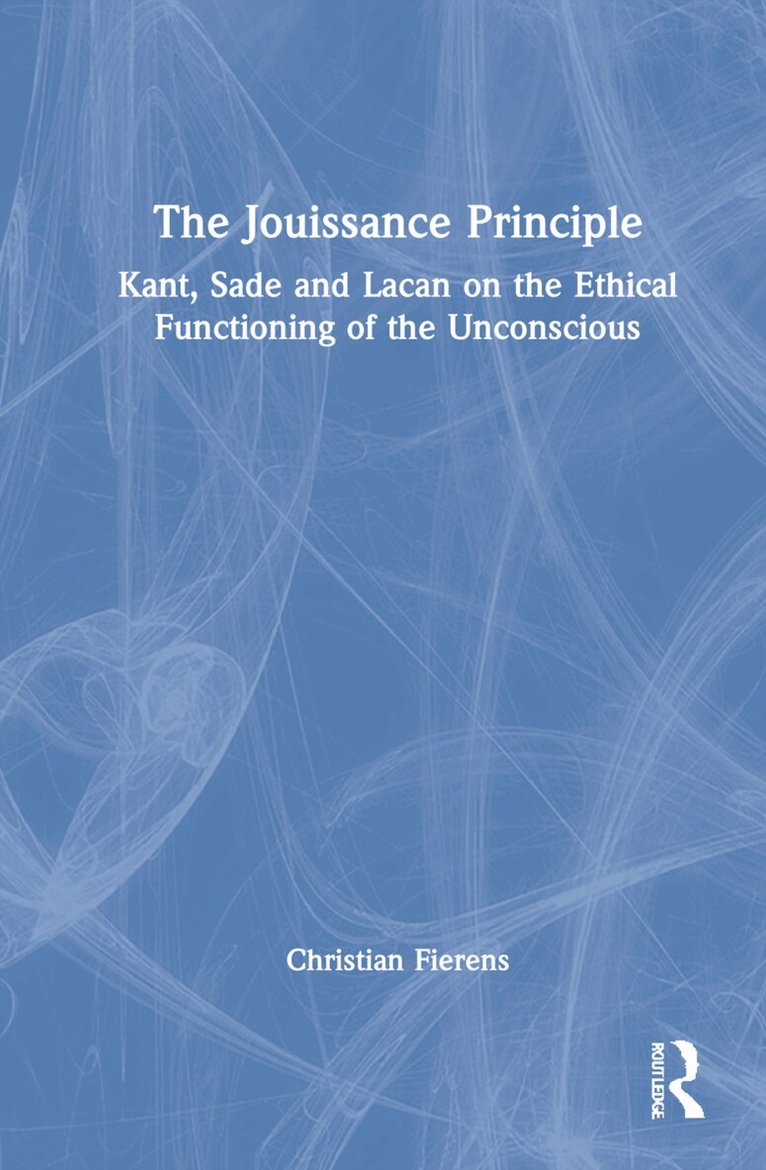
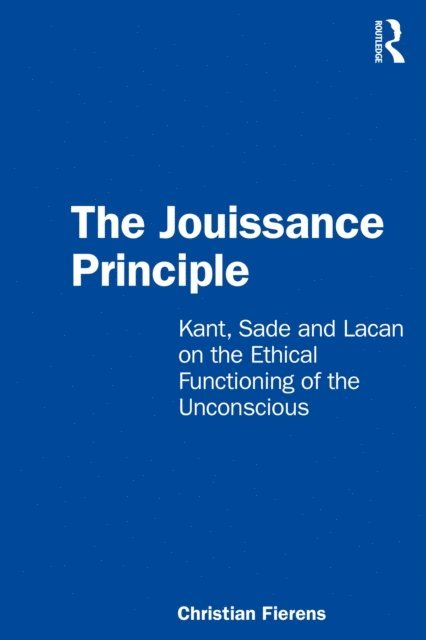
This book examines the concept of jouissance, a Lacanian term that refers to enjoyment experienced in different ways, from the enjoyment taken in an action that is ethically disapproved to the hidden pleasure taken by the patient in and from his symptom.
Christian Fierens offers a new and rigorous explanation of jouissance as a third principle in the functioning of the unconscious, in addition to the technical and pleasure principles. The Jouissance Principle presents a detailed cross-reading of two key works: Kant’s Critique of Pure Reason and Lacan’s paper ‘Kant with Sade’, explaining how the functioning of the unconscious is a genuinely ethical process. The book also focuses on the role of psychoanalysis in relaunching the functioning of the unconscious, outlining the fourth form of Lacan’s object a and its stakes in the psychoanalytic process.
An intriguing discussion of the relationship between pleasure, ethics and rationality, The Jouissance Principle will interest scholars of psychoanalysis and European philosophy, as well as helping clinicians to find a practical and ethical pathway through their practice.
454 kr
Läs direkt efter köp
This book examines the concept of jouissance, a Lacanian term that refers to enjoyment experienced in different ways, from the enjoyment taken in an action that is ethically disapproved to the hidden pleasure taken by the patient in and from his symptom.
Christian Fierens offers a new and rigorous explanation of jouissance as a third principle in the functioning of the unconscious, in addition to the technical and pleasure principles. The Jouissance Principle presents a detailed cross-reading of two key works: Kant’s Critique of Pure Reason and Lacan’s paper ‘Kant with Sade’, explaining how the functioning of the unconscious is a genuinely ethical process. The book also focuses on the role of psychoanalysis in relaunching the functioning of the unconscious, outlining the fourth form of Lacan’s object a and its stakes in the psychoanalytic process.
An intriguing discussion of the relationship between pleasure, ethics and rationality, The Jouissance Principle will interest scholars of psychoanalysis and European philosophy, as well as helping clinicians to find a practical and ethical pathway through their practice.
469 kr
Skickas inom 10-15 vardagar
2 027 kr
Skickas inom 10-15 vardagar
535 kr
Läs direkt efter köp
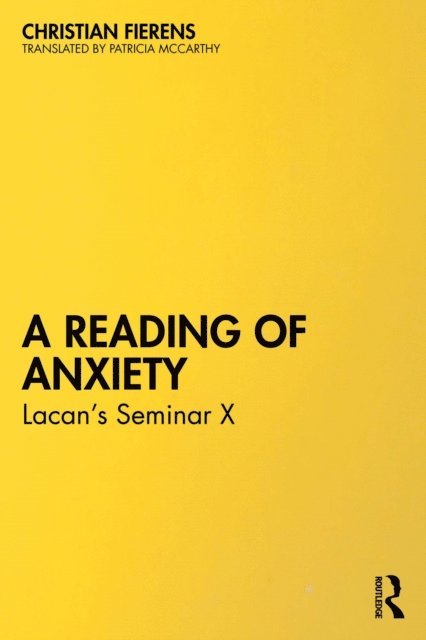
A Reading of Anxiety follows the sessions of Lacan’s Seminar X, examining its presentation of the structure of anxiety, step by step.
Christian Fierens considers why and how the structure of anxiety always depends on speech even if it remains on the threshold between the symbolic and the real and explains that there is a genuine connection between anxiety and the Lacanian object a which puts in doubt the obviousness of any object. The book then explores the importance of anxiety for the practice of the analyst, determines that the object a is fundamentally void and discusses encountering nothingness. Finally, Fierens establishes that this nothingness inside the object and inside anxiety leads to the truth of anxiety.
A Reading of Anxiety will be an essential book for students as well as clinicians to find a practical way to cope with anxiety as a clinical approach to the real in psychoanalysis. It will be relevant to all readers interested in the work of Lacan.
535 kr
Läs direkt efter köp
A Reading of Anxiety follows the sessions of Lacan’s Seminar X, examining its presentation of the structure of anxiety, step by step.
Christian Fierens considers why and how the structure of anxiety always depends on speech even if it remains on the threshold between the symbolic and the real and explains that there is a genuine connection between anxiety and the Lacanian object a which puts in doubt the obviousness of any object. The book then explores the importance of anxiety for the practice of the analyst, determines that the object a is fundamentally void and discusses encountering nothingness. Finally, Fierens establishes that this nothingness inside the object and inside anxiety leads to the truth of anxiety.
A Reading of Anxiety will be an essential book for students as well as clinicians to find a practical way to cope with anxiety as a clinical approach to the real in psychoanalysis. It will be relevant to all readers interested in the work of Lacan.
399 kr
Skickas inom 3-6 vardagar
365 kr
Skickas inom 5-8 vardagar
289 kr
Skickas inom 5-8 vardagar
359 kr
Skickas inom 3-6 vardagar
274 kr
Skickas inom 5-8 vardagar
346 kr
Skickas inom 3-6 vardagar
292 kr
Läs direkt efter köp
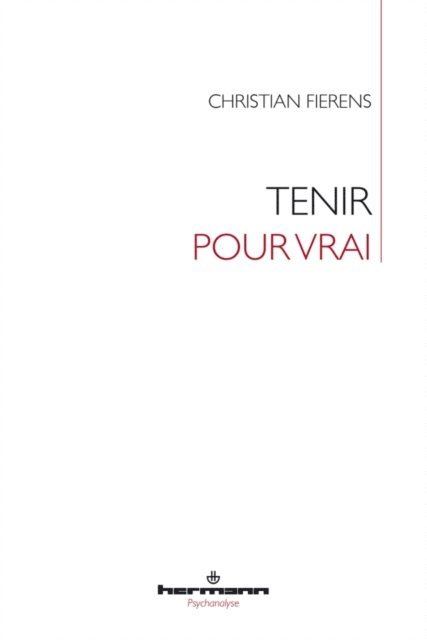
Qui veut mordre dans la vérité avec son seul savoir finit par se casser les dents. Freud l’a éprouvé avec l’homme aux loups, non sans ouvrir les pistes les plus fécondes pour toute pratique qui veut agir en vérité. On croit qu’il serait possible de comprendre, d’enfermer la vérité dans un dispositif théorique ou de contenir l’inconscient dans un appareil psychique. Il n’en est rien. La vérité échappe inexorablement. Nous ne pouvons que tenir pour vrai ce qui ne l’est pas tout à fait. «?Nous savons?», «?nous croyons?», avec ou sans conviction. Ces «?tenir pour vrai?» ratent toujours la vérité. Loin d’être seulement des échecs, ils trouvent leur efficacité dans la force de l’inconscient qui pousse à inventer. Comment inventer à partir de l’inconscient qui nous échappe?? Ce questionnement intéresse les psychanalystes, les philosophes et tous les tenants de la vérité.
292 kr
Läs direkt efter köp
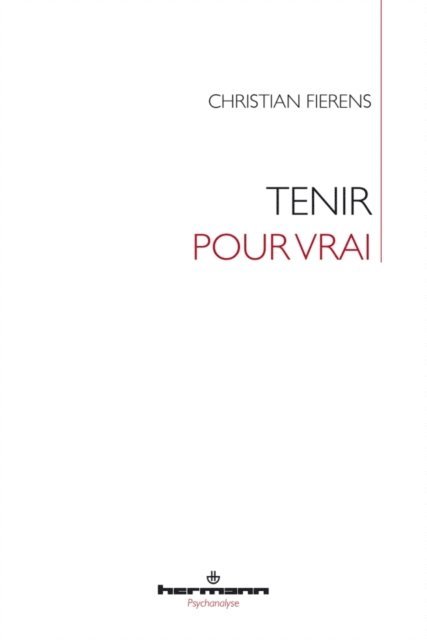
Qui veut mordre dans la vérité avec son seul savoir finit par se casser les dents. Freud l’a éprouvé avec l’homme aux loups, non sans ouvrir les pistes les plus fécondes pour toute pratique qui veut agir en vérité. On croit qu’il serait possible de comprendre, d’enfermer la vérité dans un dispositif théorique ou de contenir l’inconscient dans un appareil psychique. Il n’en est rien. La vérité échappe inexorablement. Nous ne pouvons que tenir pour vrai ce qui ne l’est pas tout à fait. «?Nous savons?», «?nous croyons?», avec ou sans conviction. Ces «?tenir pour vrai?» ratent toujours la vérité. Loin d’être seulement des échecs, ils trouvent leur efficacité dans la force de l’inconscient qui pousse à inventer. Comment inventer à partir de l’inconscient qui nous échappe?? Ce questionnement intéresse les psychanalystes, les philosophes et tous les tenants de la vérité.